With more than 10‑year industry experience, Shandong Headpowder delivers full‑service pneumatic‑conveying systems and blowers, undertaking nationwide turn‑key powder‑handling projects.
For industrial applications requiring the efficient and reliable transport of carbon additive powders, the design and operation of specialized conveying systems are critical. This article provides an in-depth look at the operation process and working principle of a powder carbon additive conveying system, highlighting key components, operational steps, and the engineering considerations that ensure optimal performance.
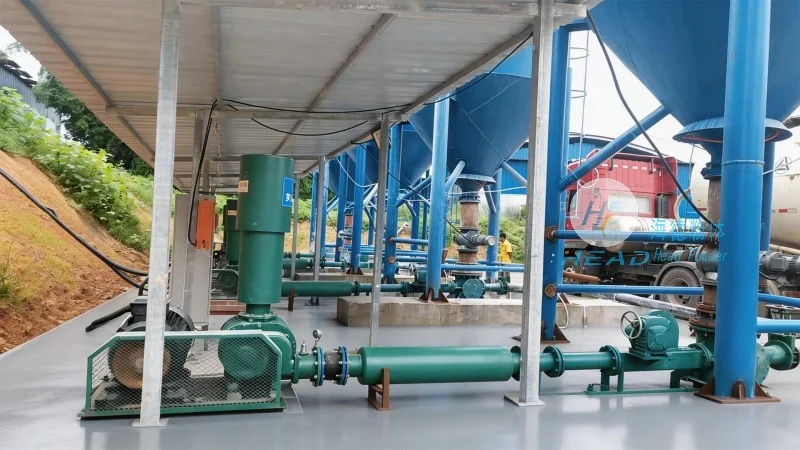
The system is engineered to handle fine carbon powders, commonly used in steelmaking and other metallurgical processes. It integrates multiple components, including a hopper for material storage, a conveyor mechanism (such as a screw or pneumatic conveyor), control valves, and a discharge outlet. The design prioritizes dust suppression, material flow control, and energy efficiency to meet the demands of high-volume production environments.
1. Hopper: The primary storage unit where raw carbon additive powders are loaded. It is typically equipped with a lid and a discharge valve to regulate the flow of material into the conveyor system. The hopper’s design minimizes material degradation and ensures a consistent feed rate.
2. Conveyor Mechanism: This is the core of the system, responsible for transporting the powder from the hopper to the discharge point. Common types include screw conveyors, which use rotating screws to push material forward, and pneumatic conveyors, which utilize air pressure to move the powder through a pipeline. The choice of mechanism depends on factors like material properties, required distance, and environmental constraints.
3. Control Valves: These components regulate the flow rate and direction of the material. They are often integrated with sensors to monitor pressure, flow, and level, enabling automated control and preventing overfilling or blockages.
4. Discharge Outlet: The final component where the conveyed powder is released. It may include a dust collection system to ensure compliance with environmental regulations and maintain a clean working environment.
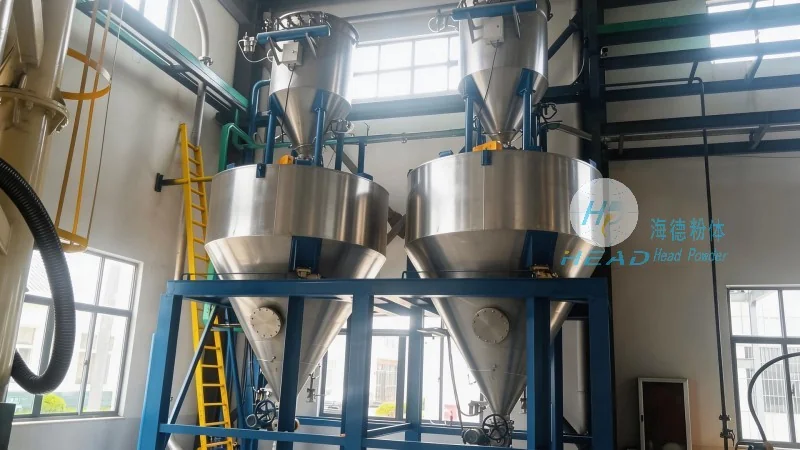
The operation of the powder carbon additive conveying system follows a systematic sequence to ensure smooth and safe material transport. Here are the key steps involved:
1. Preparation and Loading: The hopper is first filled with the carbon additive powder. The lid is secured, and the discharge valve is closed to prevent premature release. This step ensures that the system is ready to receive material without interruptions.
2. System Initialization: The conveyor mechanism is activated, either by starting the motor for a screw conveyor or by turning on the air compressor for a pneumatic system. Simultaneously, the control valves are set to the appropriate position to allow material flow from the hopper to the discharge point.
3. Material Transport: As the conveyor operates, the powder is moved through the system. In a screw conveyor, the rotating screw pushes the material forward, while in a pneumatic system, air pressure propels the powder through the pipeline. The flow rate is controlled by adjusting the speed of the conveyor or the air pressure, ensuring a steady and consistent delivery.
4. Monitoring and Control: During operation, sensors monitor critical parameters such as pressure, flow rate, and hopper level. If any abnormal conditions are detected (e.g., blockage or low material level), the system automatically triggers alerts or stops to prevent damage and maintain efficiency.
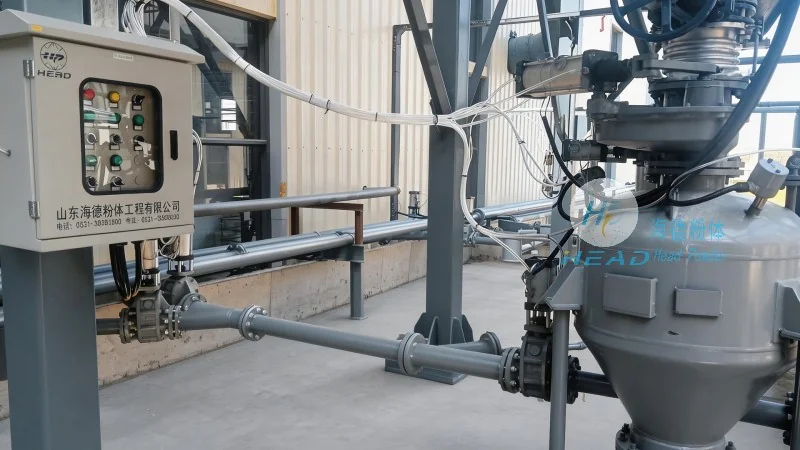
5. Discharge and Collection: Once the material reaches the discharge outlet, it is released into the target container or processing unit. The dust collection system attached to the outlet captures any airborne particles, ensuring compliance with environmental standards and maintaining a clean environment.
The working principle of the powder carbon additive conveying system is based on the principles of fluidization and mechanical transport. The system converts the solid powder into a semi-fluid state, allowing it to be moved efficiently through the conveyor. This is achieved by applying controlled pressure or mechanical force, which overcomes the natural resistance of the powder particles to flow.
For screw conveyors, the rotating screw creates a helical path that pushes the material forward. The pitch and speed of the screw are optimized to match the material’s properties, ensuring minimal friction and maximum throughput. For pneumatic conveyors, the air pressure creates a flow that entrains the powder particles, transporting them through the pipeline. The design of the pipeline, including bends and elbows, is carefully engineered to minimize pressure loss and maintain consistent flow.
Control systems play a vital role in maintaining the efficiency of the operation. By integrating sensors and feedback mechanisms, the system can adjust its parameters in real-time, adapting to changes in material load or process conditions. This dynamic control ensures that the system operates at peak efficiency, reducing energy consumption and minimizing downtime.
Shandong HeadPowder Engineering Co., Ltd., operating under the brand name headpowder, is a leading manufacturer specializing in the design and production of advanced powder handling systems. With a focus on innovation and quality, the company provides customized solutions tailored to the specific needs of industrial clients. Headpowder’s expertise in material handling technology ensures that their conveying systems are reliable, efficient, and compliant with industry standards. The company’s headquarters is located in Shandong, China, where they leverage local resources and expertise to deliver high-performance equipment for global markets.

 Shandong Headpowder Engineering Co., Ltd.
 156-6277-7102(Manager Zhang)
  0531-83386006
  Zhangqiu District, Jinan City, Shandong Province, China
telephone
WeChatconsult
top