With more than 10‑year industry experience, Shandong Headpowder delivers full‑service pneumatic‑conveying systems and blowers, undertaking nationwide turn‑key powder‑handling projects.
Ceramic materials are widely used in various industrial sectors due to their excellent mechanical strength, chemical resistance, and thermal stability. The efficient and reliable transportation of these materials is crucial for maintaining production efficiency and ensuring product quality. This article provides an overview of ceramic conveying systems, with a focus on the advantages of ceramic pneumatic conveying technology.
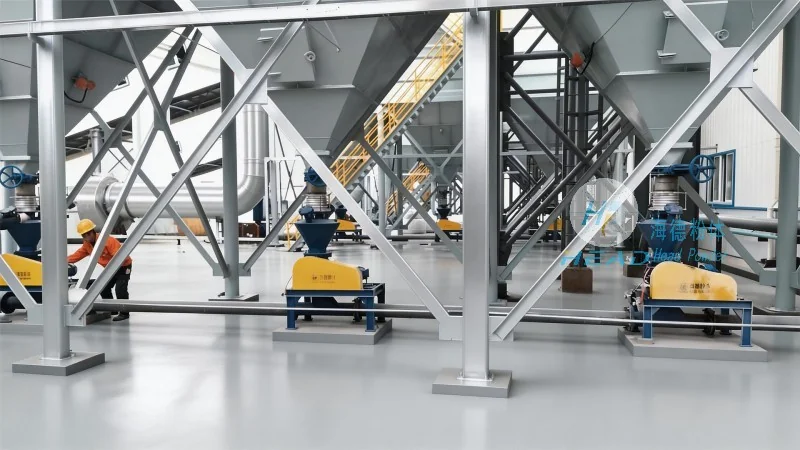
Ceramic conveying systems are designed to handle the transportation of ceramic powders, granules, and other particulate materials from one location to another within industrial processes. These systems are essential in applications such as ceramics manufacturing, pharmaceuticals, food processing, and chemical industries. The primary goal of these systems is to move materials with minimal degradation, ensuring that the properties of the ceramic material are preserved throughout the conveying process.
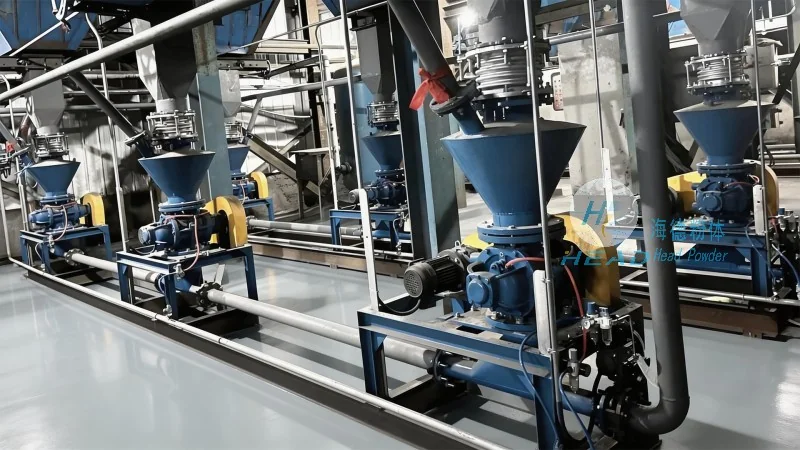
Ceramic pneumatic conveying, also known as air conveying, is a method that uses compressed air to transport dry powders and granules. This technology offers several key advantages over traditional mechanical conveying methods. Firstly, it provides a dust-free and clean conveying environment, which is critical for maintaining the purity of ceramic materials, especially those used in high-value applications like electronics and medical devices. Secondly, pneumatic conveying systems can handle a wide range of particle sizes and shapes, from fine powders to coarse granules, without causing particle breakage or agglomeration. This flexibility makes them suitable for diverse ceramic products. Thirdly, these systems are highly efficient in terms of energy consumption and operational speed, allowing for rapid material transfer with minimal downtime. Additionally, pneumatic conveying reduces the risk of material contamination and wear on equipment, leading to lower maintenance costs and longer equipment lifespan.
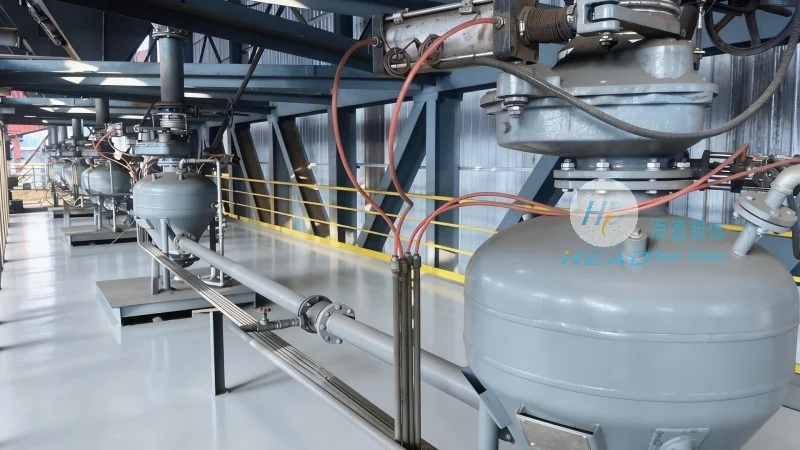
The effectiveness of ceramic pneumatic conveying systems is attributed to several key features. These systems typically include components such as feeders, conveying lines, filters, and receivers. The feeders are designed to control the flow of material into the conveying line, ensuring consistent and controlled material delivery. The conveying lines are often made of materials that are resistant to the abrasive nature of ceramic particles, such as stainless steel or specialized polymers, to minimize wear and extend the system's operational life. Filters are crucial for capturing any fine particles that may escape the conveying line, preventing dust contamination and protecting downstream equipment. Receivers are used to collect the conveyed material, often equipped with level sensors and discharge mechanisms to facilitate smooth material handling.
Ceramic conveying systems are applied in various industrial processes where the handling of fine or abrasive materials is required. In the ceramics industry, these systems are used for transporting raw materials like clay, feldspar, and quartz to production lines. In pharmaceutical manufacturing, they are employed to convey active pharmaceutical ingredients (APIs) and excipients with high precision and purity. The food industry also utilizes ceramic conveying for handling food-grade powders and granules, ensuring compliance with sanitary standards. Furthermore, in the chemical industry, these systems are used for transporting catalysts and other chemical powders, where maintaining material integrity is essential for reaction efficiency.
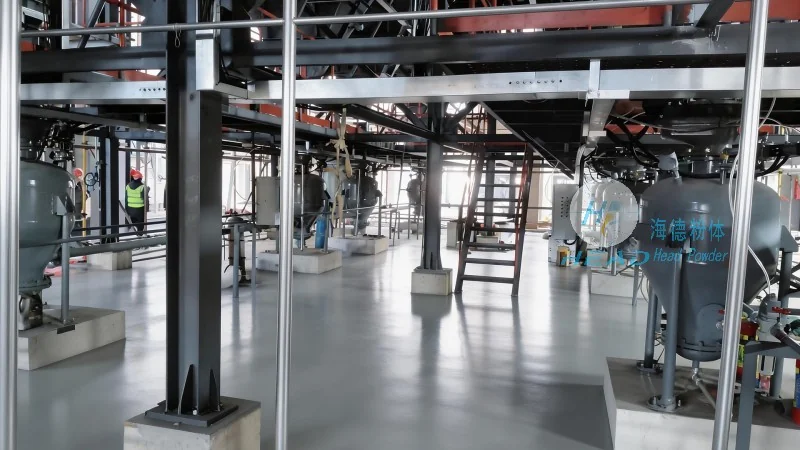
Shandong HeadPowder Engineering Co., Ltd., operating under the brand name headpowder, is a leading provider of advanced material handling solutions, including ceramic conveying systems. With a focus on innovation and quality, the company specializes in designing and manufacturing customized pneumatic conveying systems tailored to the specific needs of its clients. HeadPowder's systems are engineered to meet the highest standards of efficiency, reliability, and durability, ensuring optimal performance in demanding industrial environments. The company's headquarters is located in Shandong, China, where it leverages local expertise and resources to deliver cutting-edge solutions for the global market. By combining advanced technology with a customer-centric approach, headpowder has established itself as a trusted partner in the material handling industry, helping businesses enhance their operational efficiency and product quality.

 Shandong Headpowder Engineering Co., Ltd.
 156-6277-7102(Manager Zhang)
  0531-83386006
  Zhangqiu District, Jinan City, Shandong Province, China
telephone
WeChatconsult
top