With more than 10‑year industry experience, Shandong Headpowder delivers full‑service pneumatic‑conveying systems and blowers, undertaking nationwide turn‑key powder‑handling projects.
HeadPowder, a leading engineering firm based in Shandong, China, specializes in the design, manufacturing, and installation of advanced pneumatic conveying systems. This article focuses on the operation process and working principle of a sorghum wine lees pneumatic conveying line, a critical component in the winemaking industry for efficiently handling and transporting lees—a byproduct of the fermentation process.
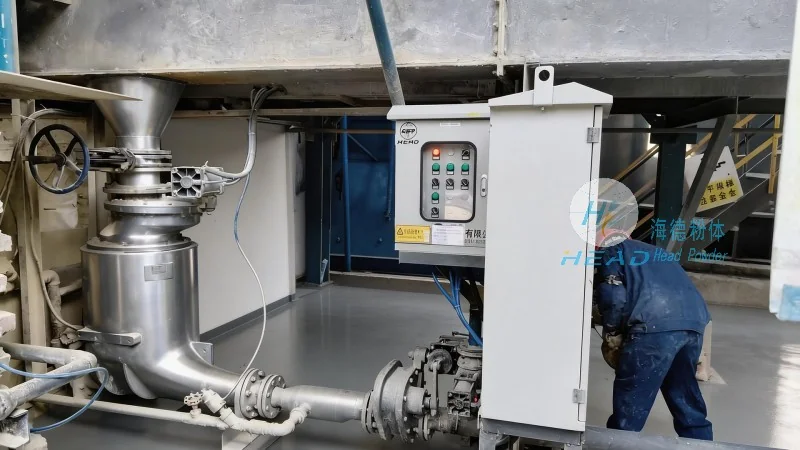
Sorghum wine lees, also known as grape pomace or solid residues from the fermentation stage, are rich in nutrients and can be repurposed for various applications, including animal feed, biofuel production, and fertilizer. Traditional methods of transporting lees often involve manual handling or mechanical conveyors, which are labor-intensive and inefficient. Pneumatic conveying systems offer a more automated, hygienic, and energy-efficient solution for moving these materials over long distances or within complex production facilities.
The pneumatic conveying line for sorghum wine lees typically consists of several key components that work in tandem to ensure smooth operation. These include a hopper for material storage, a feeder to control the flow rate, a conveying pipe network, a blower or air compressor to generate the necessary air pressure, and a receiver or discharge unit for the final material collection. Each component plays a crucial role in maintaining the system's efficiency and reliability.
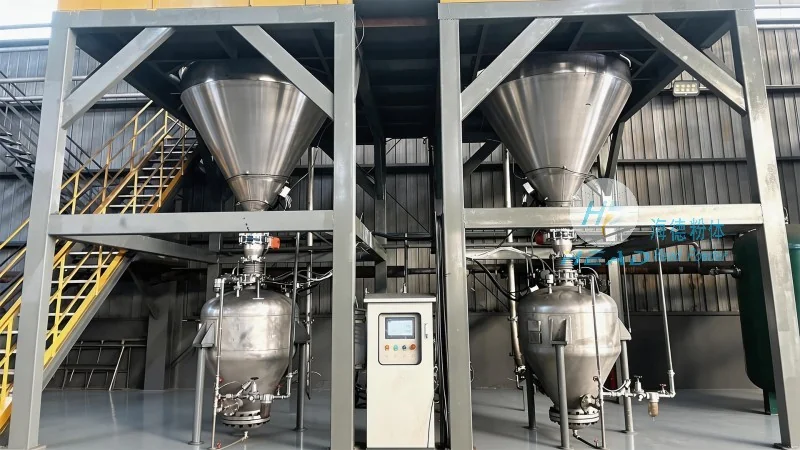
The operation of the sorghum wine lees pneumatic conveying line is based on the principle of air movement to transport solid materials. The process begins with the material being fed from the hopper into the conveying pipe. As the feeder opens, the lees fall into the pipe, where they are entrained by a high-velocity air stream generated by the blower. The air and material mixture travels through the pipe network, with the air pressure and velocity carefully controlled to prevent blockages and ensure consistent flow. At the receiving end, the air is separated from the lees, often through a cyclone separator or a filter, and the lees are deposited into the designated container. The air is then either recirculated or vented, depending on the system design.
The operation process of the sorghum wine lees pneumatic conveying line involves several sequential steps that ensure optimal performance. First, the system is prepared by checking the hopper level and ensuring all components are properly lubricated and aligned. Next, the blower is started, and the air pressure is adjusted to the required level. The feeder is then activated to control the flow rate of the lees into the conveying pipe. As the material is conveyed, the system monitors the pressure and flow rates to detect any abnormalities, such as blockages or air leaks. If an issue is detected, the system automatically shuts down or alerts the operator. Finally, the lees are discharged into the receiving container, and the process repeats as needed.
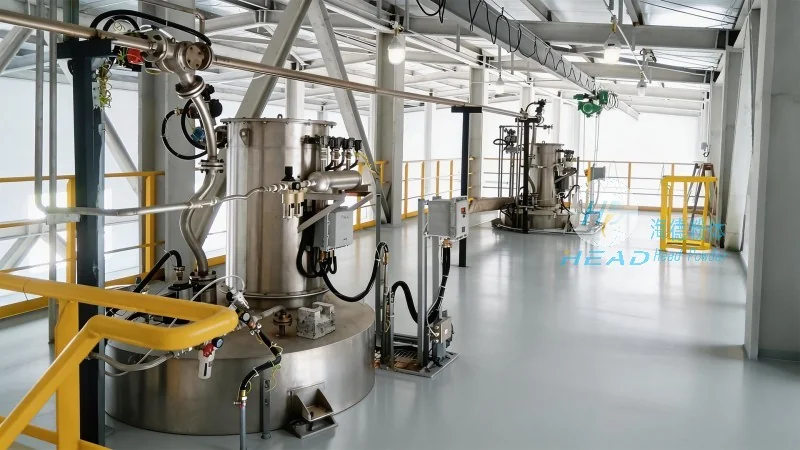
Implementing a pneumatic conveying system for sorghum wine lees offers numerous advantages over traditional methods. These include improved hygiene, as the system is enclosed and prevents contamination from external sources. It also enhances efficiency by reducing labor costs and increasing the speed of material transport. Additionally, the system is more energy-efficient compared to mechanical conveyors, as it uses air pressure rather than mechanical components to move the material. The enclosed design also minimizes dust and odor emissions, contributing to a cleaner working environment.
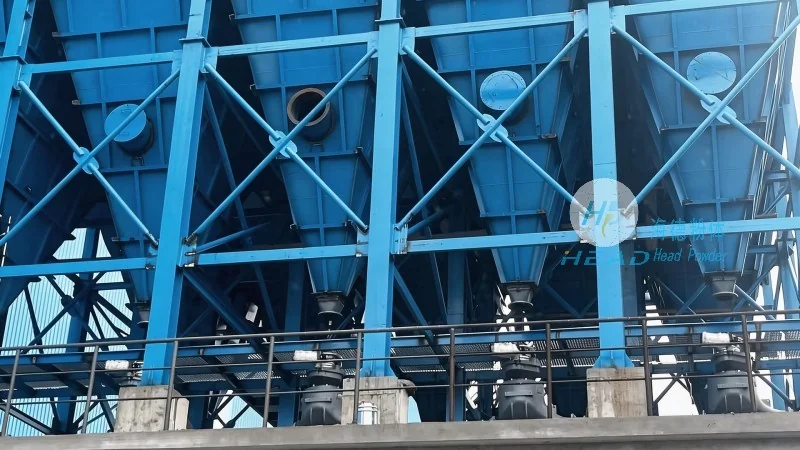
To ensure the long-term reliability and performance of the sorghum wine lees pneumatic conveying line, regular maintenance is essential. This includes cleaning the hopper and conveying pipes to prevent buildup of lees, checking the blower and air compressor for proper operation, and inspecting the feeder and valves for wear and tear. Regular maintenance schedules should be established to address potential issues before they become major problems. Common troubleshooting steps include checking for air leaks, ensuring proper air pressure, and verifying the flow rate of the lees. If blockages occur, the system may need to be cleared by manually removing the material or using a pressure relief valve.
The sorghum wine lees pneumatic conveying line is a sophisticated and efficient system that plays a vital role in the winemaking industry. By understanding its operation process and working principle, wineries can optimize their material handling processes, reduce costs, and improve overall productivity. HeadPowder, with its expertise in engineering and manufacturing, provides high-quality pneumatic conveying solutions tailored to the specific needs of wineries, ensuring reliable and efficient transport of sorghum wine lees.

 Shandong Headpowder Engineering Co., Ltd.
 156-6277-7102(Manager Zhang)
  0531-83386006
  Zhangqiu District, Jinan City, Shandong Province, China
telephone
WeChatconsult
top