With more than 10‑year industry experience, Shandong Headpowder delivers full‑service pneumatic‑conveying systems and blowers, undertaking nationwide turn‑key powder‑handling projects.
For industrial applications requiring efficient and reliable transport of rubber powder, pneumatic conveying systems offer a robust solution. These systems are designed to handle the unique properties of rubber powder, ensuring minimal degradation and optimal performance. The operation and working principles of such lines are critical for understanding their effectiveness in various industrial settings.
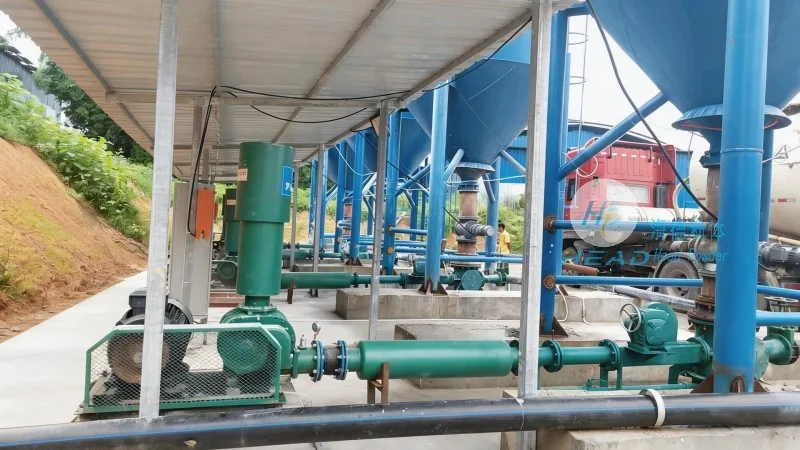
HeadPowder, a leading manufacturer in the field of material handling equipment, specializes in the design, production, and installation of pneumatic conveying systems. With a strong commitment to quality and innovation, the company has established itself as a trusted partner for industries dealing with bulk materials, including rubber powder. HeadPowder's facilities are located in Shandong, China, where the company leverages advanced technology and skilled expertise to deliver high-performance solutions tailored to specific customer needs.
The operation of a rubber powder pneumatic conveying line typically involves several key stages, each designed to ensure smooth and efficient material transport. The process begins with the loading of rubber powder into the hopper or storage silo. From there, the material is drawn into the conveying line by a vacuum or pressure system, depending on the specific design of the system. The rubber powder is then transported through the pipeline, often using a combination of air velocity and pressure to maintain the material's flow. At the receiving end, the rubber powder is discharged into the target container or processing equipment. Throughout the operation, the system maintains consistent air flow and pressure to prevent blockages and ensure the material moves without issues.
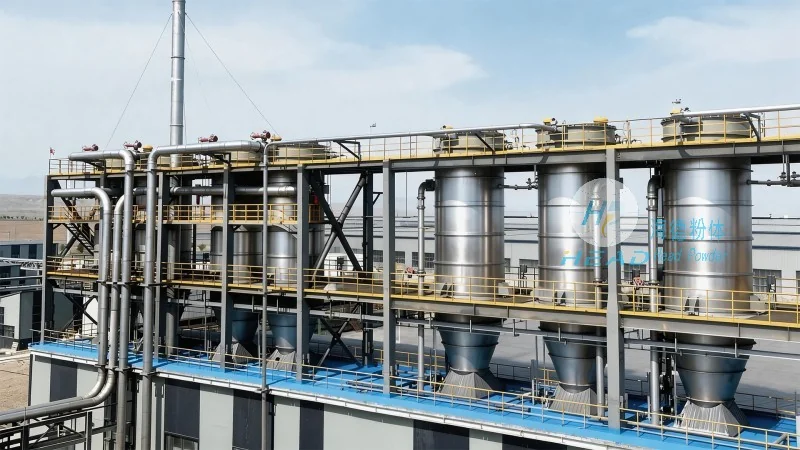
The working principle of a rubber powder pneumatic conveying line is based on the use of air as the conveying medium. The system can operate under either positive pressure or negative pressure (vacuum) conditions. In positive pressure systems, compressed air is used to push the rubber powder through the pipeline, while in negative pressure systems, a vacuum is created to draw the material into the line. The key components of the system include the hopper, conveyor pipeline, air compressor or vacuum pump, and control valves. These components work together to create the necessary air flow and pressure to move the rubber powder efficiently. The design of the pipeline, including the use of bends, elbows, and expansion joints, is crucial to maintain the material's flow and prevent degradation or blockages.
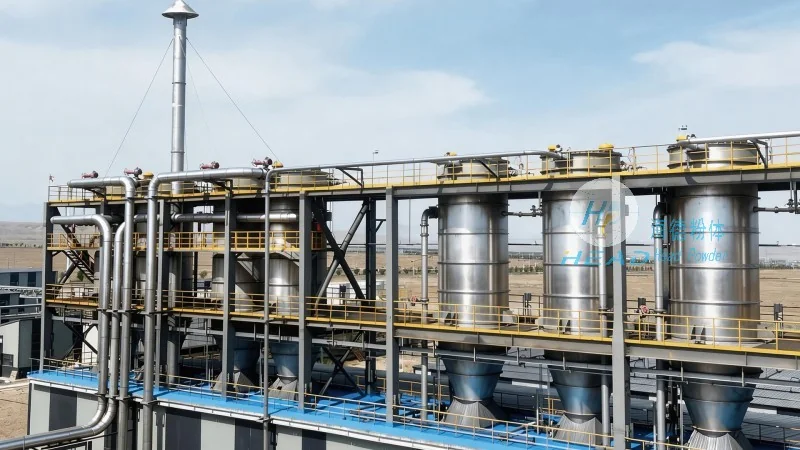
Rubber powder pneumatic conveying lines from HeadPowder are equipped with several features that enhance their performance and reliability. These include advanced control systems for precise air flow management, durable materials of construction to withstand the abrasive nature of rubber powder, and flexible pipeline configurations to accommodate various plant layouts. The benefits of using such systems include reduced labor costs, minimized material handling time, and improved safety by eliminating manual handling of bulk materials. Additionally, the systems are designed to be energy-efficient, contributing to lower operational costs and environmental sustainability.
The versatility of rubber powder pneumatic conveying lines makes them suitable for a wide range of applications in the rubber and related industries. For instance, in tire manufacturing plants, these systems are used to transport rubber powder from storage to mixing equipment, ensuring a consistent supply of raw material. In recycling facilities, the systems help in the transport of reclaimed rubber powder from processing units to storage areas. The systems are also used in research and development laboratories where precise control over material flow is essential for testing and quality control.

 Shandong Headpowder Engineering Co., Ltd.
 156-6277-7102(Manager Zhang)
  0531-83386006
  Zhangqiu District, Jinan City, Shandong Province, China
telephone
WeChatconsult
top