

The Operation Process and Working Principle of a Sulfur Powder Pneumatic Conveying Line
HeadPowder, a leading engineering company based in Shandong, China, specializes in the design, manufacturing, and installation of advanced pneumatic conveying systems for various industrial applications. The sulfur powder pneumatic conveying line is a critical component in many chemical processing facilities, enabling the efficient and safe transport of sulfur powder from storage to processing units. This article provides a detailed exploration of the operation process and working principle of such systems, highlighting the key technologies and operational aspects that ensure optimal performance.
Key Components of a Sulfur Powder Pneumatic Conveying Line
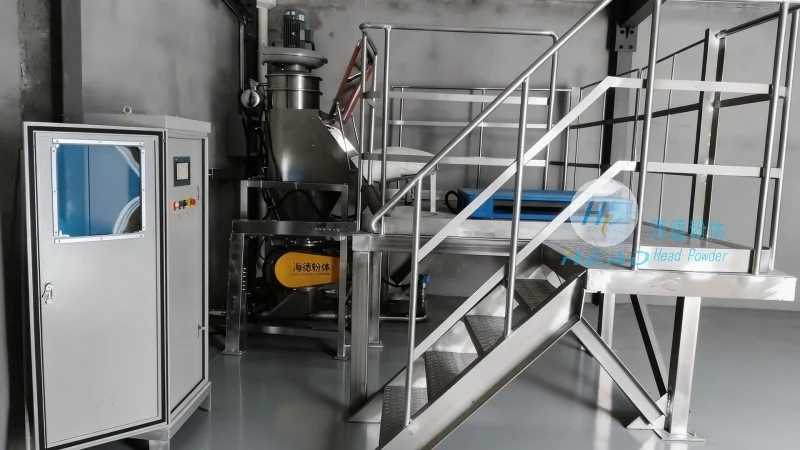
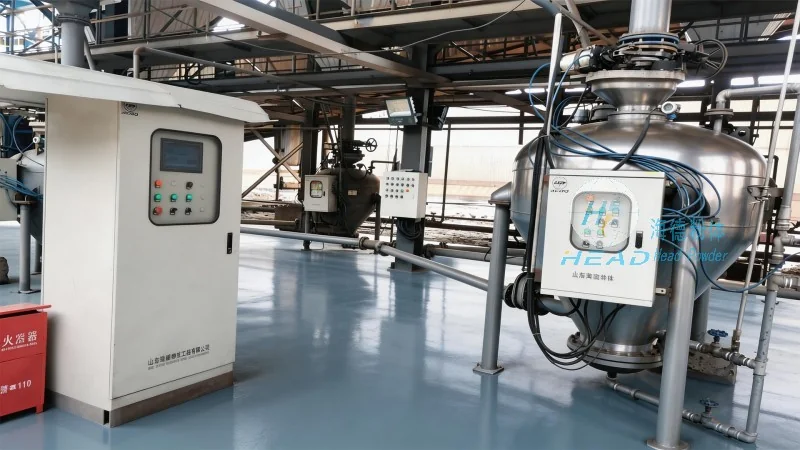
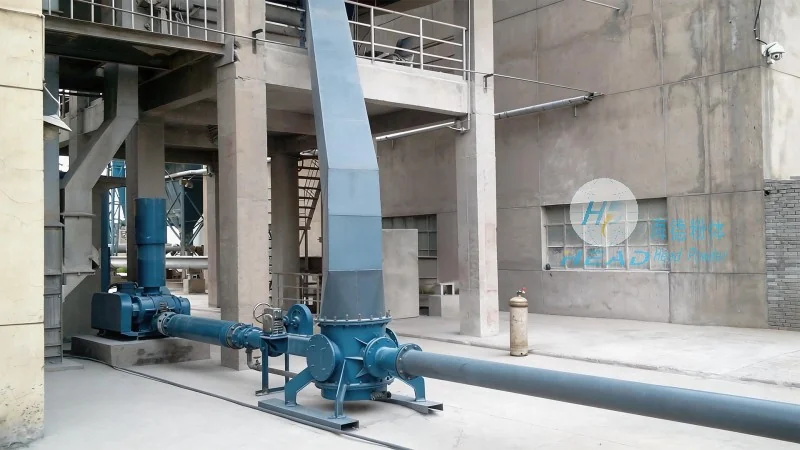
A typical sulfur powder pneumatic conveying line consists of several essential components that work in tandem to facilitate the transport of sulfur powder. These components include a hopper or storage silo for material storage, a rotary valve or feeder to control the flow rate, a conveying pipeline, a compressor or blower to generate the necessary air pressure, and a receiver or destination silo to store the conveyed material. Each component plays a crucial role in maintaining the system's efficiency and reliability. The hopper is designed to hold a large quantity of sulfur powder, ensuring a consistent supply to the feeder. The rotary valve, often equipped with a variable speed drive, regulates the material discharge rate, preventing overloading or underflow that could disrupt the conveying process. The conveying pipeline, typically made of stainless steel or other corrosion-resistant materials, is designed to withstand the abrasive nature of sulfur powder and the pressure generated by the air flow. The compressor or blower provides the motive force, creating a pressure differential that propels the sulfur powder through the pipeline. The receiver silo at the end of the pipeline collects the conveyed sulfur powder, allowing for further processing or storage.