With more than 10‑year industry experience, Shandong Headpowder delivers full‑service pneumatic‑conveying systems and blowers, undertaking nationwide turn‑key powder‑handling projects.
Carbonate manganese is a critical raw material in various industrial applications, including battery manufacturing, steel production, and chemical processing. The efficient and reliable transportation of this material from storage to processing units is essential for maintaining production efficiency and minimizing operational costs. Pneumatic conveying systems have emerged as a preferred solution for handling carbonate manganese due to their ability to transport materials in a dust-free environment, reduce labor costs, and enhance safety in industrial settings.
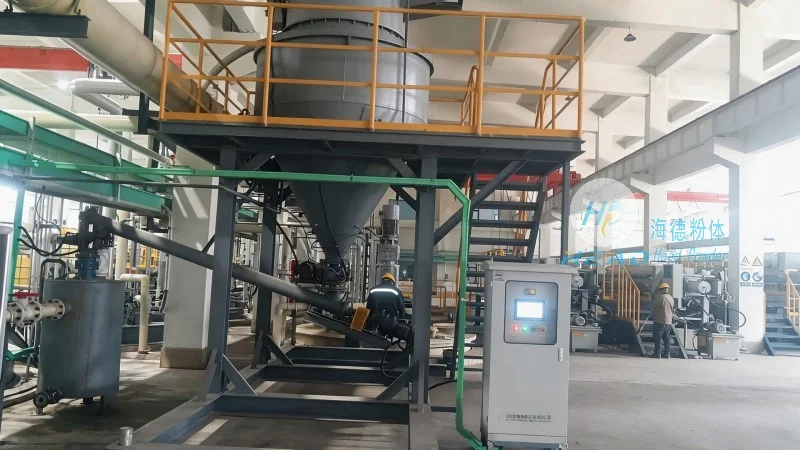
Pneumatic conveying systems utilize air or gas to transport solid materials like carbonate manganese through a network of pipes. These systems are designed to handle materials with varying particle sizes and moisture content, making them suitable for diverse industrial applications. The primary advantage of pneumatic conveying is the ability to transport materials over long distances without the need for mechanical components like conveyors or elevators, which can be prone to wear and maintenance issues.
The carbonate manganese pneumatic conveying equipment typically consists of several key components that work in tandem to ensure efficient material transport. These components include a hopper for material storage, a feeder to control the flow rate of the material, a compressor or blower to generate the air flow, a conveying line (pipeline) to transport the material, and a receiver or silo for the discharged material. Each component plays a crucial role in the overall operation of the system, and their proper integration is essential for optimal performance.
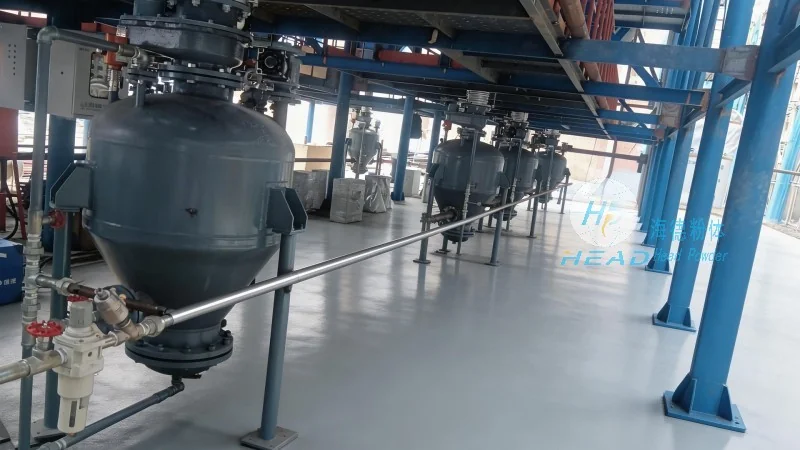
The operation of the carbonate manganese pneumatic conveying equipment begins with the loading of the material into the hopper. The feeder then regulates the flow of the material into the conveying line, ensuring a consistent and controlled feed rate. Simultaneously, the compressor or blower generates a high-pressure air stream that travels through the conveying line. As the material is introduced into the air stream, it is carried along the pipeline to the receiver or processing unit. The air flow continues to transport the material until it reaches the destination, where it is collected and stored. The system then returns to the initial state, ready for the next cycle of material transport.
The working principle of the carbonate manganese pneumatic conveying equipment is based on the principle of fluidization and suspension. The air stream generated by the compressor or blower creates a low-pressure zone within the conveying line, which draws the material from the hopper into the air stream. The material particles are then suspended in the air stream and transported through the pipeline. The velocity of the air stream is carefully controlled to ensure that the material particles remain suspended without settling or clogging the pipeline. The system uses a combination of positive and negative pressure zones to transport the material efficiently, with the positive pressure zone used for conveying the material from the hopper to the receiver and the negative pressure zone used for returning the air to the compressor.
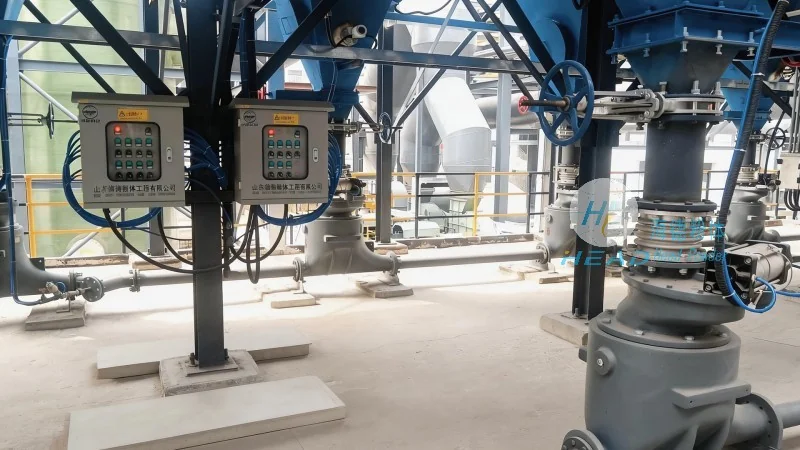
Pneumatic conveying systems offer several advantages over traditional mechanical conveying methods for transporting carbonate manganese. These advantages include reduced labor costs due to the automated nature of the system, improved safety as there is no direct human contact with the material, and the ability to transport materials in a dust-free environment, which enhances workplace safety and reduces the risk of material contamination. Additionally, pneumatic conveying systems can handle materials with varying particle sizes and moisture content, making them suitable for diverse industrial applications. The system also allows for the integration of multiple conveying lines, enabling the transport of materials to multiple destinations from a single source.
The carbonate manganese pneumatic conveying equipment is widely used in various industrial applications, including battery manufacturing, where it is used to transport carbonate manganese to the production lines for battery production. It is also used in steel production, where it is used to transport the material to the blast furnaces or other processing units. Additionally, the equipment is used in chemical processing, where it is used to transport the material to the reactors or other processing units. The system is also used in mining operations, where it is used to transport the material from the mine to the processing plant.
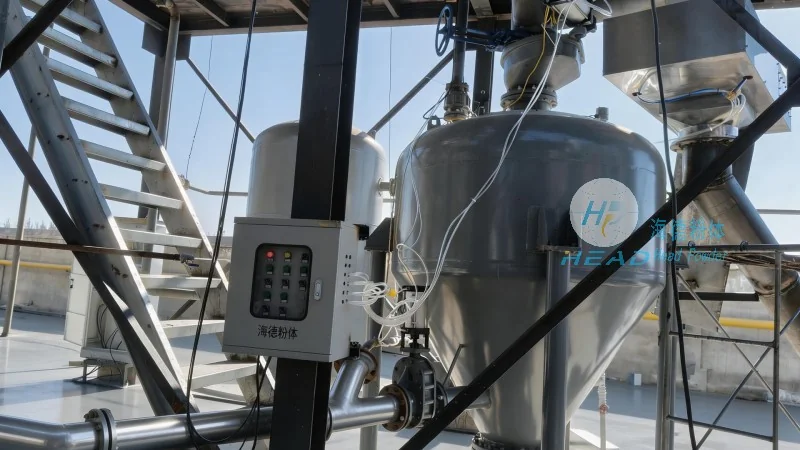
Maintenance of the carbonate manganese pneumatic conveying equipment is essential to ensure its optimal performance and longevity. Regular maintenance includes cleaning the hopper and conveying line to prevent material buildup and clogging, checking the compressor or blower for proper operation, and inspecting the feeder for wear and tear. Troubleshooting common issues such as material clogging, air leaks, or pressure drops is also important to ensure the system operates efficiently. Proper maintenance and troubleshooting can help to minimize downtime and reduce operational costs.
Shandong HeadPowder Engineering Co., Ltd. is a leading manufacturer of pneumatic conveying equipment for carbonate manganese and other industrial materials. The company is headquartered in Shandong, China, and has a team of experienced engineers and technicians who specialize in the design and manufacturing of high-quality pneumatic conveying systems. HeadPowder Engineering Co., Ltd. is committed to providing its customers with reliable and efficient equipment that meets their specific needs and requirements. The company's products are designed to be durable, easy to maintain, and cost-effective, making them a preferred choice for industrial applications.

 Shandong Headpowder Engineering Co., Ltd.
 156-6277-7102(Manager Zhang)
  0531-83386006
  Zhangqiu District, Jinan City, Shandong Province, China
telephone
WeChatconsult
top