With more than 10‑year industry experience, Shandong Headpowder delivers full‑service pneumatic‑conveying systems and blowers, undertaking nationwide turn‑key powder‑handling projects.
HeadPowder, a leading provider in the field of material handling solutions, specializes in the efficient and reliable transportation of magnesium hydroxide through pneumatic conveying systems. This article delves into the operational process and underlying principles of such systems, offering a comprehensive understanding of how these technologies facilitate the movement of this critical industrial material.
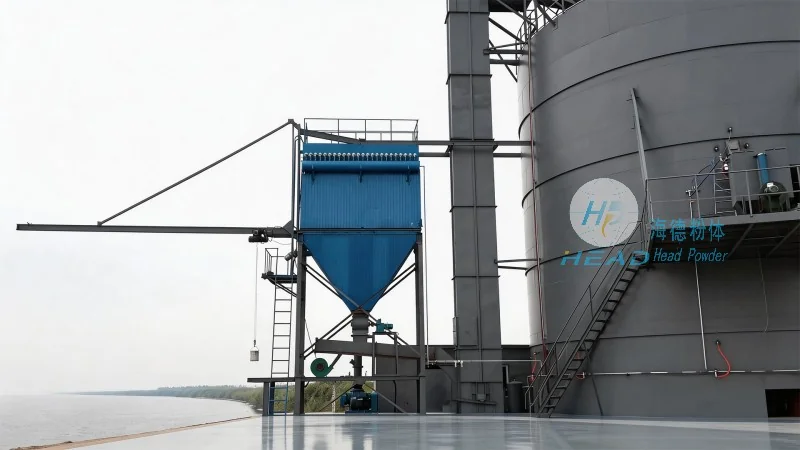
Magnesium hydroxide, a white powder commonly used in various industrial applications including fire retardants, pharmaceuticals, and chemical processing, requires specialized handling due to its fine particle size and potential for dust generation. Pneumatic conveying offers an effective solution for transporting this material from storage silos or processing units to downstream equipment, ensuring safety, efficiency, and minimal environmental impact. The process involves the use of air or other gases to create a flow that carries the material through a pipeline network.
The successful operation of a magnesium hydroxide pneumatic conveying system relies on several critical components that work in tandem to ensure smooth material transport. These components include a material feeder, which accurately meters the magnesium hydroxide into the conveying line; a blower or compressor that generates the necessary air pressure; a pipeline system that transports the material; and a receiver or discharge unit that collects the material at the destination. Each component plays a vital role in maintaining the system's performance and efficiency.
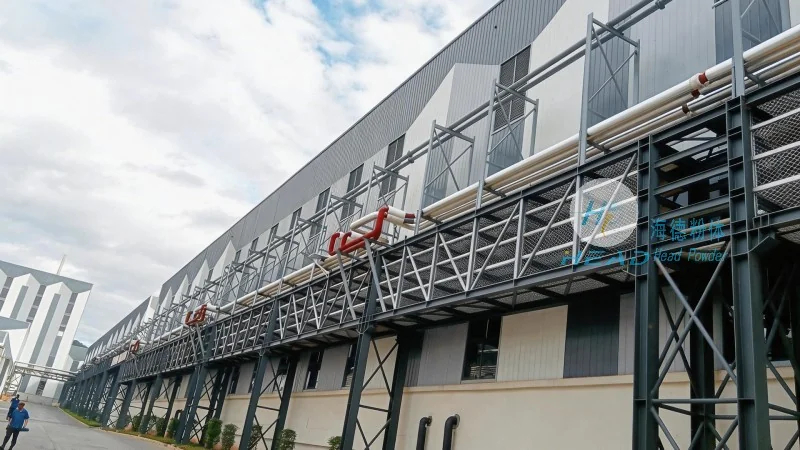
The operational process of a magnesium hydroxide pneumatic conveying system begins with the material being fed into the system from a storage silo or hopper. The feeder ensures a consistent flow rate, which is crucial for maintaining system stability and preventing blockages. Simultaneously, the blower or compressor generates a flow of air that is introduced into the pipeline. As the air moves through the system, it creates a pressure differential that pulls the magnesium hydroxide particles into the air stream. The mixture of air and material travels through the pipeline, with the air providing the necessary force to move the material to the discharge point.
The working principle of pneumatic conveying is based on the fundamental concept of fluidization and suspension. In a pneumatic system, the air flow is designed to suspend the magnesium hydroxide particles in the air stream, preventing them from settling or clogging the pipeline. The velocity of the air is a critical factor, as it must be sufficient to keep the particles suspended but not so high as to cause excessive wear on the system components or energy waste. The system typically operates under either positive pressure (where air is forced into the pipeline) or negative pressure (where air is drawn out of the system), depending on the specific application and layout of the conveying network.
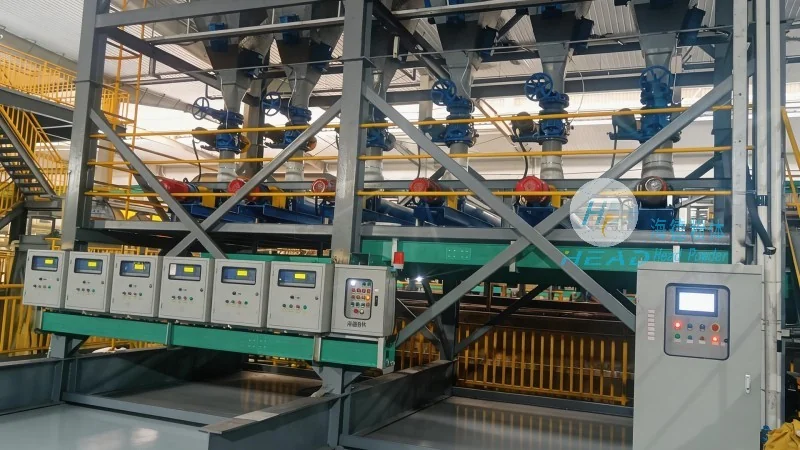
Implementing pneumatic conveying for magnesium hydroxide offers several advantages over traditional methods such as belt conveyors or bucket elevators. These advantages include improved safety by eliminating the need for manual handling of the material, reduced dust exposure through enclosed systems, and enhanced flexibility in system layout due to the ability to route the pipeline around obstacles. Additionally, pneumatic systems can handle varying material flow rates and particle sizes, making them adaptable to different production requirements. The efficiency of the system in terms of energy consumption and material throughput also contributes to cost savings for industrial operations.
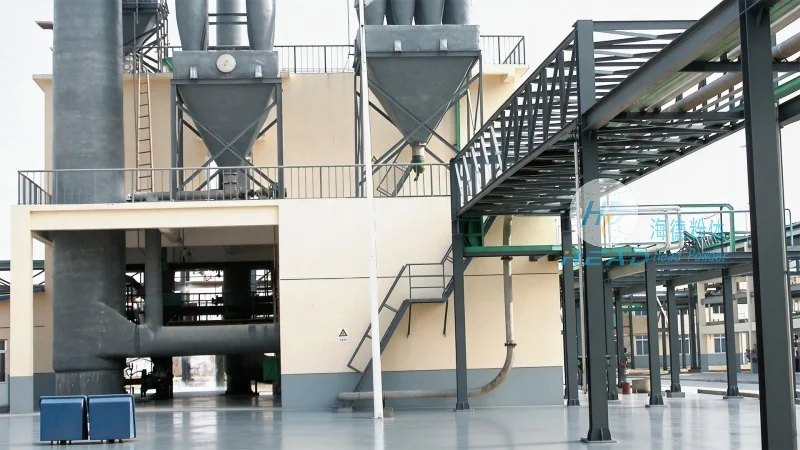
To ensure the long-term reliability and performance of a magnesium hydroxide pneumatic conveying system, regular maintenance is essential. This includes monitoring air pressure and flow rates, inspecting for wear on components such as pipes and valves, and cleaning the system to prevent material buildup. The choice of materials for the pipeline and components is also critical, as magnesium hydroxide can be abrasive and may cause corrosion in certain conditions. Proper maintenance and material selection help to minimize downtime and extend the operational life of the system.
HeadPowder Engineering Co., Ltd., based in Shandong, China, provides comprehensive solutions for the pneumatic conveying of magnesium hydroxide, leveraging advanced technology and expertise to meet the diverse needs of industrial clients. By understanding the operational process and working principles of these systems, industries can optimize their material handling processes, enhance safety, and improve overall efficiency in the transportation of magnesium hydroxide. The integration of reliable pneumatic conveying systems is a key step toward achieving sustainable and effective industrial operations.

 Shandong Headpowder Engineering Co., Ltd.
 156-6277-7102(Manager Zhang)
  0531-83386006
  Zhangqiu District, Jinan City, Shandong Province, China
telephone
WeChatconsult
top