With more than 10‑year industry experience, Shandong Headpowder delivers full‑service pneumatic‑conveying systems and blowers, undertaking nationwide turn‑key powder‑handling projects.
Cement clinker pneumatic conveying systems are essential for efficient material transport in the cement industry. These systems utilize air as the medium to move clinker, a key component in cement production, from storage silos or processing units to downstream equipment such as ball mills or packaging facilities. The operation process and working principle of such systems are critical for ensuring reliable and continuous material flow, which directly impacts production efficiency and cost-effectiveness.
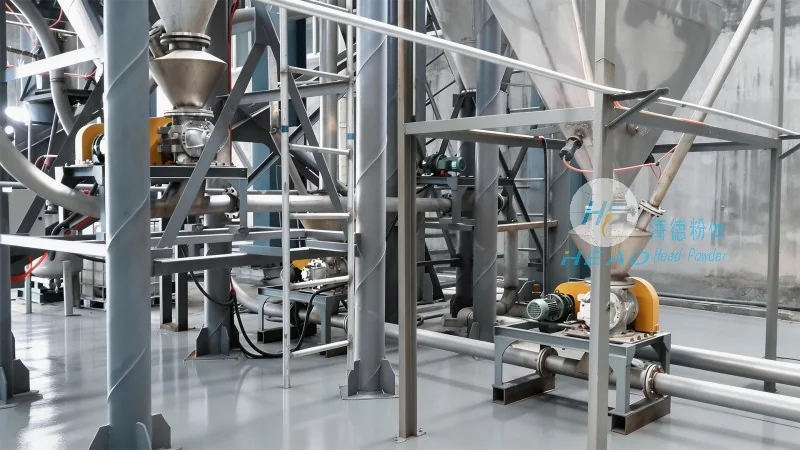
HeadPowder, a leading engineering company based in Shandong, China, specializes in the design, manufacturing, and installation of advanced pneumatic conveying solutions tailored for cement applications. With a focus on optimizing material handling processes, HeadPowder's systems are engineered to meet the demanding requirements of modern cement plants, ensuring high performance and durability.
The working principle of cement clinker pneumatic conveying involves the use of a positive pressure or negative pressure system to create a flow of air that transports the clinker particles. In a positive pressure system, air is blown through a pipeline at a high velocity, creating a pressure differential that pulls the clinker into the conveying line. The clinker is then carried through the pipeline by the air stream, with the velocity maintained at a level sufficient to prevent particle settling or blockage.
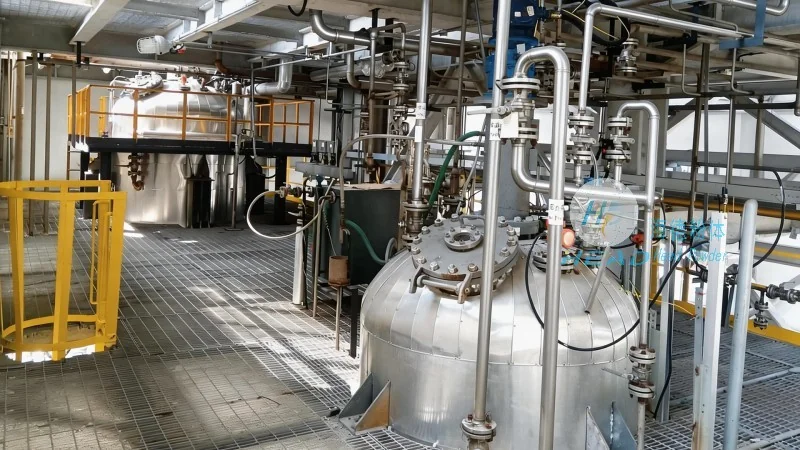
Key components of a typical cement clinker pneumatic conveying system include the hopper, which stores the clinker and provides a sealed environment; the air compressor or blower, which generates the necessary air pressure; the conveying pipeline, which transports the material; and the receiver, where the clinker is deposited. The system also incorporates control valves, filters, and safety devices to ensure smooth operation and protect against potential issues like clogging or pressure surges.
The operation process begins with the clinker being fed from the storage hopper into the conveying line. The air compressor then starts, generating the required air flow. As the air moves through the pipeline, it entrains the clinker particles, forming a dense phase or dilute phase flow depending on the system design. The flow rate and air pressure are carefully controlled to maintain optimal conveying conditions, minimizing energy consumption while ensuring consistent material delivery.
During operation, the system continuously monitors parameters such as air pressure, flow rate, and temperature to detect any anomalies. If a blockage occurs, the system may automatically adjust the air pressure or activate cleaning mechanisms to restore normal operation. This proactive monitoring and control enhance the reliability of the conveying process, reducing downtime and maintenance costs.
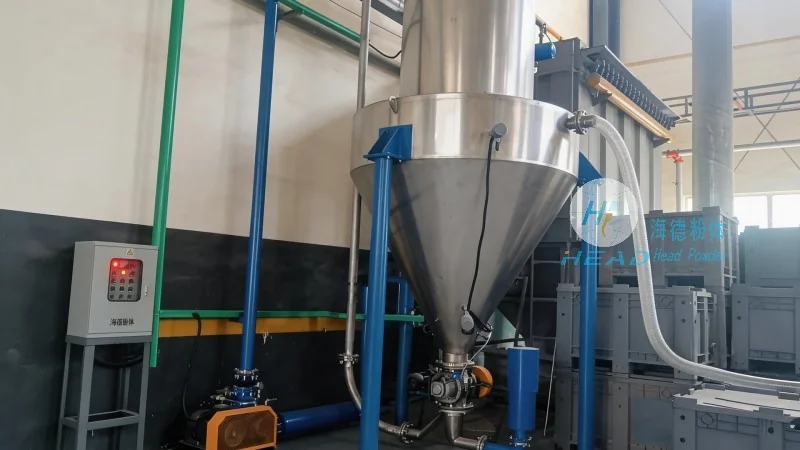
HeadPowder's expertise in pneumatic conveying technology allows them to customize systems based on specific plant requirements, including the type of clinker, conveying distance, and desired throughput. By integrating advanced control systems and robust materials, their solutions are designed to withstand the harsh conditions of cement production environments, ensuring long-term performance and minimal maintenance.
In summary, cement clinker pneumatic conveying systems are a vital part of modern cement production, enabling efficient and reliable material transport. HeadPowder's commitment to engineering excellence and customer-centric solutions makes them a trusted partner for companies seeking to optimize their material handling processes in the cement industry.

 Shandong Headpowder Engineering Co., Ltd.
 156-6277-7102(Manager Zhang)
  0531-83386006
  Zhangqiu District, Jinan City, Shandong Province, China
telephone
WeChatconsult
top