With more than 10‑year industry experience, Shandong Headpowder delivers full‑service pneumatic‑conveying systems and blowers, undertaking nationwide turn‑key powder‑handling projects.
Understanding the operation process and working principle of petroleum coke pneumatic conveying is crucial for optimizing material handling in industrial settings. This technology efficiently transports bulk materials like petroleum coke through a pipeline system using air or gas as the conveying medium. The following sections delve into the key aspects of this process, emphasizing the technical details and operational efficiency.
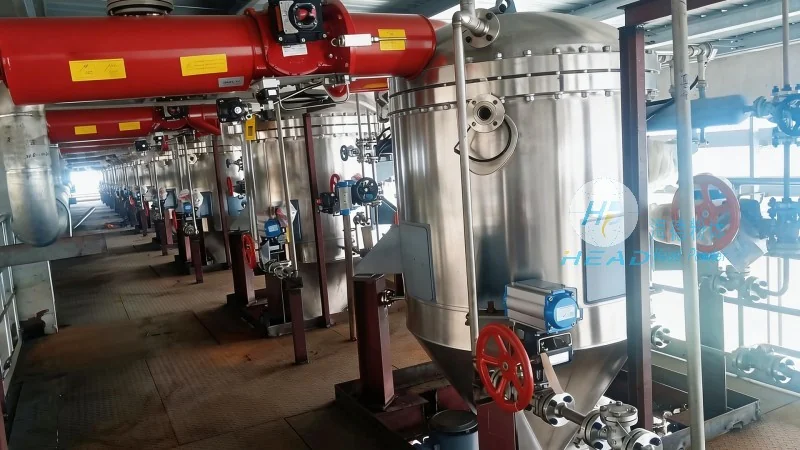
Petroleum coke, a byproduct of the oil refining process, is often transported in bulk quantities for various industrial applications. Pneumatic conveying offers a reliable and flexible method to move this material from storage or processing units to end-use locations. Unlike traditional mechanical conveying systems, pneumatic conveying eliminates the need for moving parts in the conveying line, reducing maintenance requirements and enhancing safety. The system typically consists of a hopper, a conveying line, a control valve, and a receiver, all working in tandem to ensure smooth material transport.
The effectiveness of petroleum coke pneumatic conveying relies on several critical components. The hopper serves as the material storage and feeding unit, equipped with a rotary valve or feeder to control the flow rate of the coke. The conveying line, usually made of stainless steel or other corrosion-resistant materials, is designed to withstand the abrasive nature of petroleum coke. A control valve, often a rotary or slide valve, regulates the air flow and material discharge into the receiver. The receiver, or discharge hopper, collects the conveyed material and may include a discharge valve for further processing or storage.

The core of the pneumatic conveying process involves the use of air or gas to create a pressure differential that moves the material through the pipeline. There are two main types of pneumatic conveying systems: pressure and vacuum. In pressure systems, air is compressed and introduced at the hopper, pushing the material forward. Vacuum systems, on the other hand, use a vacuum pump at the receiver to draw material from the hopper. For petroleum coke, a pressure system is commonly preferred due to its ability to handle high material loads and long distances. The process begins when the rotary valve in the hopper opens, allowing a controlled amount of petroleum coke to fall into the conveying line. Simultaneously, compressed air is introduced at the hopper end, creating a high-pressure zone that propels the material along the pipeline. The material and air mixture travels through the line, with the air providing the necessary momentum to overcome friction and gravitational forces. At the receiver end, the air and material separate; the air is typically filtered and recirculated, while the petroleum coke is collected in the receiver.
The operation process of petroleum coke pneumatic conveying involves several sequential steps that ensure efficient and continuous material transport. The first step is material loading into the hopper, where the petroleum coke is stored in bulk. The hopper is equipped with a level indicator to monitor the material quantity, preventing overfilling or underfilling. The second step is the initiation of the conveying cycle, triggered by the control system. The rotary valve opens, releasing a measured amount of petroleum coke into the conveying line. Simultaneously, the compressed air supply is activated, creating a pressure differential that starts the material movement. The third step is the continuous transport of the material through the pipeline. The control valve at the receiver end regulates the air flow to maintain a consistent pressure, ensuring the material reaches the receiver without clogging or loss. The fourth step is the material discharge from the receiver, where the petroleum coke is collected for further processing or storage. The system may include a discharge valve or conveyor to transfer the material to the next stage of the production process. Throughout the operation, the control system monitors parameters such as pressure, flow rate, and material level, adjusting the air supply and valve positions as needed to maintain optimal performance.
Pneumatic conveying offers several advantages over traditional mechanical conveying methods for petroleum coke. Firstly, it provides a dust-free and enclosed transport system, reducing environmental contamination and improving workplace safety. The enclosed pipeline prevents the release of fine particles into the air, which is particularly important for petroleum coke, as it can be a respiratory irritant. Secondly, the system is flexible and can be easily modified to accommodate changes in material flow rates or distances. The ability to adjust the air pressure and flow rate allows for adaptation to varying operational conditions. Thirdly, pneumatic conveying reduces maintenance costs compared to mechanical systems, as there are no moving parts in the conveying line. This minimizes the risk of mechanical failure and extends the service life of the equipment. Additionally, the system can handle high material loads and long conveying distances, making it suitable for large-scale industrial applications. The efficiency of the process, measured by the material throughput and energy consumption, is also a key advantage, as it minimizes energy waste and maximizes productivity.
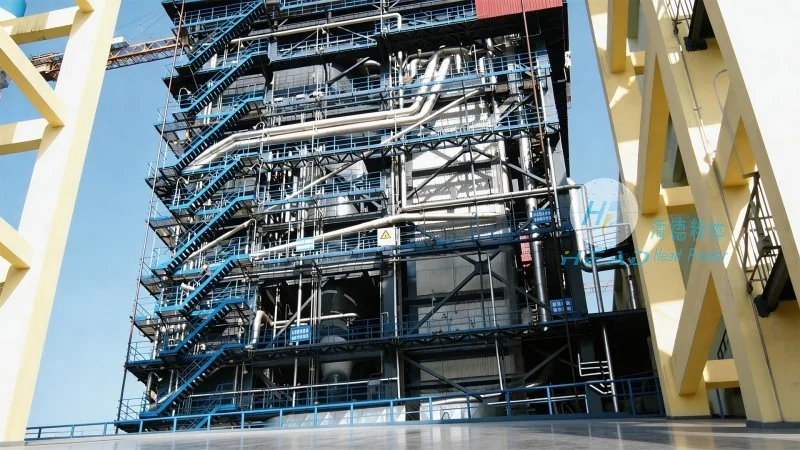
Petroleum coke pneumatic conveying is widely used in various industrial applications, particularly in the petrochemical and power generation sectors. In the petrochemical industry, it is used to transport petroleum coke from storage silos to processing units, such as calciners or gasifiers. The calcination process converts petroleum coke into anode carbon, a critical component in aluminum production. The pneumatic conveying system ensures a continuous and reliable supply of raw material to the calciner, maintaining the production line's efficiency. In power generation, petroleum coke is used as a fuel in thermal power plants. The pneumatic conveying system transports the coke from storage to the boiler, where it is burned to generate electricity. The system's ability to handle high material loads and long distances makes it ideal for power plants with multiple fuel storage facilities. Other applications include the transportation of petroleum coke to recycling facilities or for use in the production of carbon products, such as carbon black or activated carbon. The versatility of the pneumatic conveying system allows it to be adapted to various industrial needs, making it a preferred choice for bulk material handling.
Petroleum coke pneumatic conveying is a sophisticated and efficient method for transporting bulk materials in industrial settings. The operation process, involving key components and a controlled air flow, ensures reliable and continuous material transport. The advantages of this system, including dust-free operation, flexibility, and low maintenance, make it suitable for various applications. As industrial demands for efficient material handling increase, the importance of understanding and optimizing pneumatic conveying systems becomes more critical. Companies like Shandong HeadPowder Engineering Co., Ltd. specialize in designing and manufacturing such systems, providing tailored solutions to meet the specific needs of industrial clients. With their expertise in material handling technology, they contribute to the advancement of industrial processes, ensuring the efficient and safe transport of petroleum coke and other bulk materials.

 Shandong Headpowder Engineering Co., Ltd.
 156-6277-7102(Manager Zhang)
  0531-83386006
  Zhangqiu District, Jinan City, Shandong Province, China
telephone
WeChatconsult
top