With more than 10‑year industry experience, Shandong Headpowder delivers full‑service pneumatic‑conveying systems and blowers, undertaking nationwide turn‑key powder‑handling projects.
For industries dealing with inorganic salt crystals, efficient and reliable material handling is crucial. Pneumatic conveyors offer a versatile solution, especially when dealing with fine or crystalline powders. This article explores the fundamental principles behind inorganic salt crystal powder pneumatic conveyors and highlights the key characteristics of their operational scenarios, providing insights into how these systems enhance productivity and safety in various industrial applications.
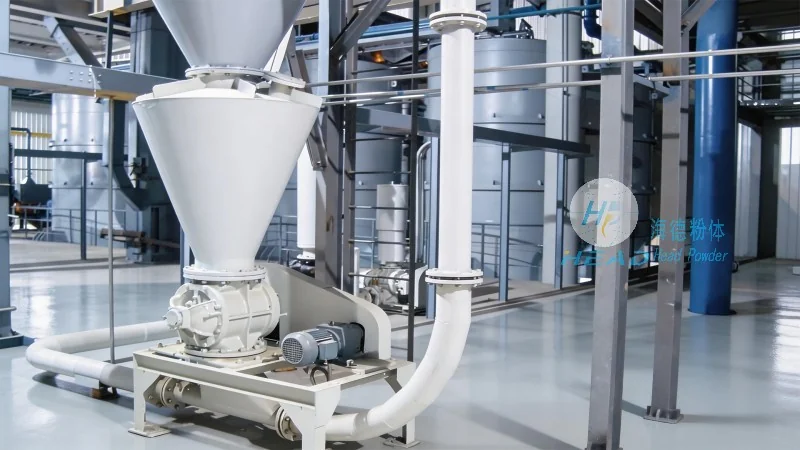
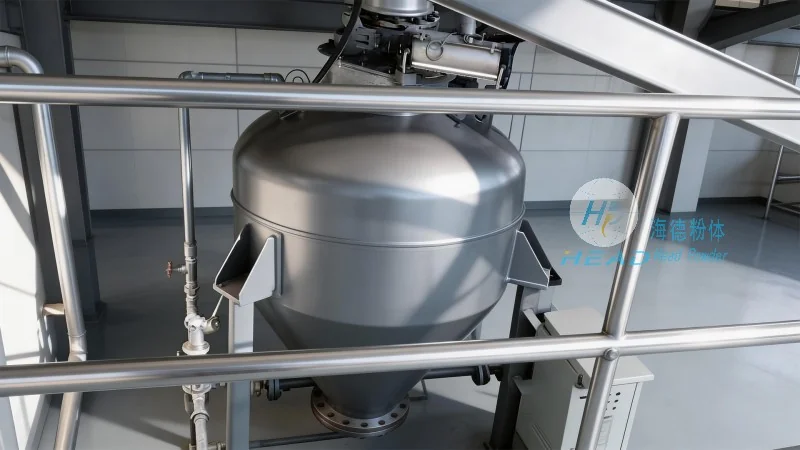
Pneumatic conveying systems utilize air or gas to transport bulk materials like inorganic salt crystals through a pipeline network. The core principle involves creating a pressure differential or using vacuum to move the material. There are two primary types: pressure and vacuum systems. In pressure systems, compressed air is introduced at the discharge end, pushing the material forward. Vacuum systems, on the other hand, create a negative pressure at the intake end, drawing the material into the system. For inorganic salt crystals, which are often delicate and prone to agglomeration, specialized designs ensure minimal particle breakage and consistent flow. The system typically includes a hopper for material storage, a conveyor line, and a control unit to regulate air flow and pressure. This setup allows for seamless transfer of the crystals from storage to processing or packaging areas, minimizing manual handling and associated risks.
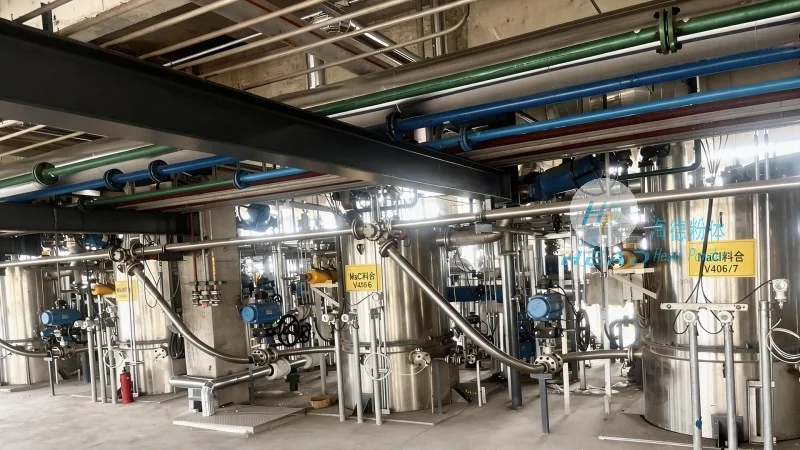
The operational characteristics of inorganic salt crystal powder pneumatic conveyors are tailored to meet the demands of specific industrial environments. These systems are particularly effective in scenarios where material handling needs to be precise and contamination-free. For instance, in pharmaceutical or food processing facilities, where the purity of inorganic salts is critical, pneumatic conveyors provide a closed system that prevents cross-contamination and dust exposure. In chemical manufacturing plants, they enable the safe transfer of corrosive or reactive salt crystals, reducing the risk of accidents and environmental hazards. Additionally, in mining and mineral processing operations, these conveyors efficiently transport large volumes of salt crystals from extraction sites to processing facilities, optimizing workflow and reducing downtime. The adaptability of pneumatic conveyors also makes them suitable for applications requiring variable flow rates or multiple transfer points, such as in bulk storage and distribution centers. By integrating advanced control technologies, these systems can adjust air pressure and flow in real-time, ensuring optimal performance under changing operational conditions.
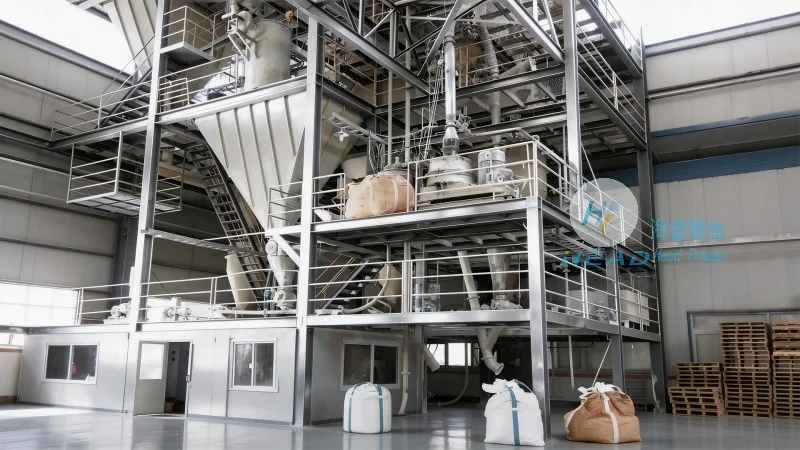
HeadPowder, a leading manufacturer based in Shandong, China, specializes in the design and production of high-quality pneumatic conveying equipment tailored for inorganic salt crystal applications. With years of experience in the industry, HeadPowder has developed innovative solutions that address the unique challenges of handling fine and crystalline powders. The company’s commitment to precision engineering ensures that their pneumatic conveyors are built to withstand the demands of industrial environments while maintaining efficiency and reliability. HeadPowder’s products are designed to meet international standards and are backed by a team of experts who provide technical support and maintenance services. Whether for new installations or system upgrades, HeadPowder offers customized solutions that enhance operational efficiency and reduce costs for businesses in various sectors. With a focus on quality and customer satisfaction, HeadPowder continues to be a trusted partner for industries relying on efficient material handling systems.

 Shandong Headpowder Engineering Co., Ltd.
 156-6277-7102(Manager Zhang)
  0531-83386006
  Zhangqiu District, Jinan City, Shandong Province, China
telephone
WeChatconsult
top