With more than 10‑year industry experience, Shandong Headpowder delivers full‑service pneumatic‑conveying systems and blowers, undertaking nationwide turn‑key powder‑handling projects.
Chromic oxide, a critical industrial material, is widely used in various applications such as pigments, ceramics, and chemical synthesis. The efficient and reliable transportation of chromic oxide powder is essential for maintaining production efficiency and product quality. Pneumatic conveying systems have emerged as a preferred solution for handling fine powders like chromic oxide due to their ability to minimize dust, reduce material loss, and ensure a clean working environment. This article explores the fundamental principles of chromic oxide powder pneumatic conveying lines and highlights the key working scene characteristics that make them suitable for industrial applications.
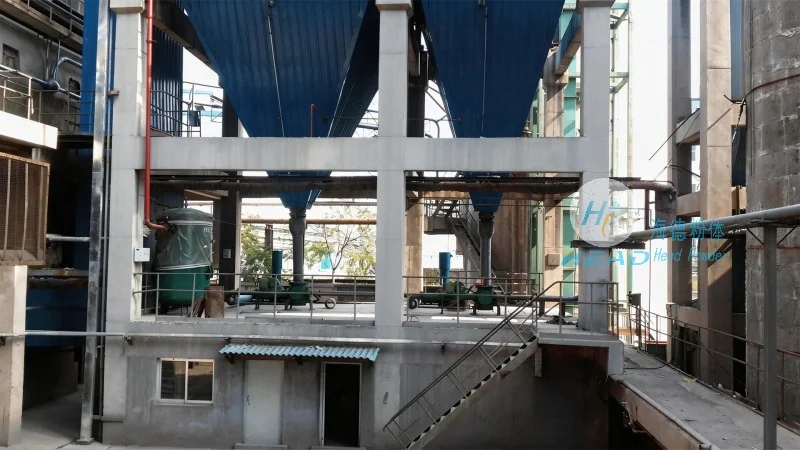
The pneumatic conveying of chromic oxide powder operates on the principle of using compressed air to transport solid particles through a pipeline. The system typically consists of a hopper for material storage, a feeder to control the flow rate, a conveying line (often with bends and filters), and a receiver for the discharged material. The process involves creating a pressure differential between the inlet and outlet of the conveying line. When compressed air is introduced into the hopper, it lifts the chromic oxide particles and propels them through the pipeline. The velocity of the air and the particle size are critical factors that determine the efficiency of the conveying process. For fine powders like chromic oxide, which are prone to agglomeration and dust generation, specialized designs are employed to ensure smooth and consistent flow. The system may incorporate features such as pulse-jet filters to prevent clogging and maintain the integrity of the material during transport.
The working scene characteristics of chromic oxide pneumatic conveying lines are tailored to meet the specific demands of industrial environments. These characteristics include:
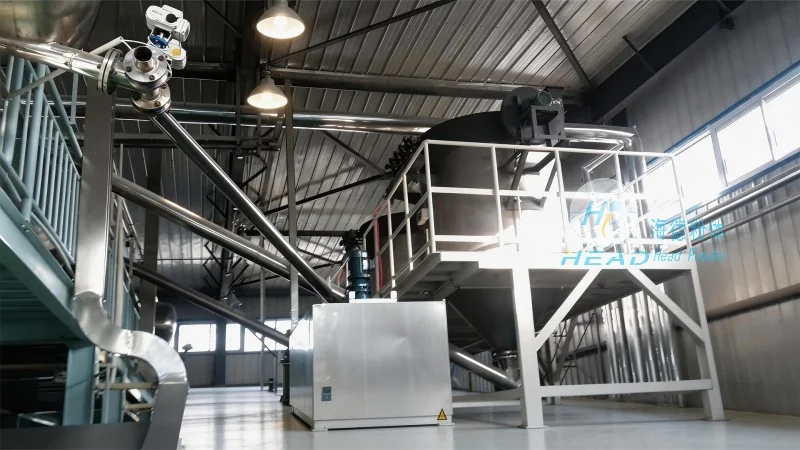
Chromic oxide powder pneumatic conveying lines are widely used in various industrial sectors. In the pigment industry, they are essential for transporting chromic oxide from storage to mixing and grinding equipment. The fine particles require a controlled and dust-free transfer to ensure consistent color quality. In the ceramics industry, chromic oxide is used as a pigment and a glaze component. The pneumatic conveying system ensures that the powder is delivered to the kilns and mixing stations without contamination or loss. Additionally, in chemical manufacturing, chromic oxide is used as a catalyst or raw material. The system provides a reliable method for transporting the powder to reactors and processing units, maintaining the purity and integrity of the material.
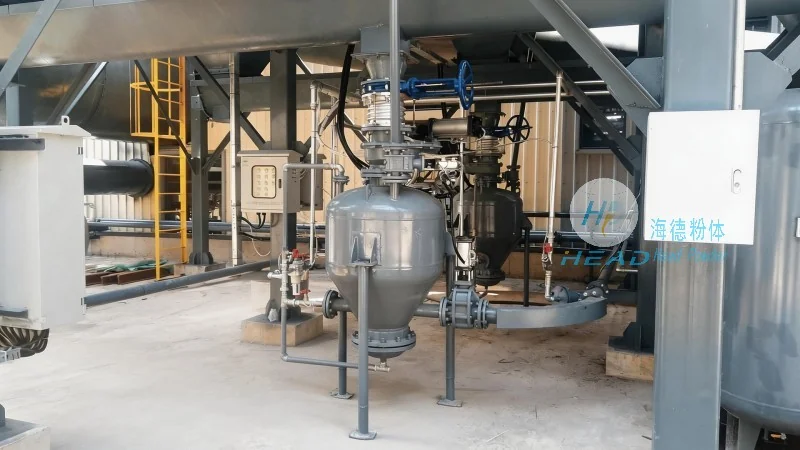
Shandong HeadPowder Engineering Co., Ltd., commonly known as HeadPowder, is a reputable company based in Shandong, China, specializing in the design, manufacturing, and installation of pneumatic conveying systems for industrial applications. With years of experience in the field, HeadPowder has developed a deep understanding of the unique challenges associated with handling fine powders like chromic oxide. The company's expertise lies in customizing pneumatic conveying lines to meet the specific requirements of each client, ensuring optimal performance and reliability.
HeadPowder's team of engineers and technicians work closely with clients to assess their production needs, material characteristics, and operational constraints. They provide comprehensive solutions that include system design, material selection, and installation services. The company's commitment to quality and innovation has earned it a strong reputation in the industry. By leveraging advanced technology and rigorous quality control processes, HeadPowder ensures that its pneumatic conveying systems deliver superior performance and longevity.

 Shandong Headpowder Engineering Co., Ltd.
 156-6277-7102(Manager Zhang)
  0531-83386006
  Zhangqiu District, Jinan City, Shandong Province, China
telephone
WeChatconsult
top