With more than 10‑year industry experience, Shandong Headpowder delivers full‑service pneumatic‑conveying systems and blowers, undertaking nationwide turn‑key powder‑handling projects.
HeadPowder, a leading provider in the field of powder handling solutions, specializes in the design and implementation of pneumatic conveying systems tailored for the lysine industry. This article delves into the fundamental principles behind lysine powder pneumatic conveying lines and highlights the key characteristics of their operational environments.
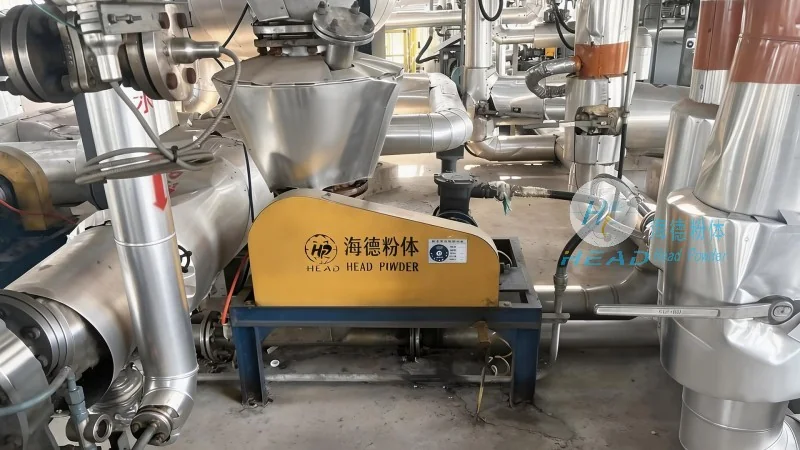
Lysine powder pneumatic conveying lines operate on the principle of using air as the medium to transport dry powder materials. The system typically consists of a series of components including a feeder, a conveying pipe, a control valve, and a receiver. The process begins when the lysine powder is fed into the system, where it is then entrained by a high-velocity airflow. This airflow carries the powder particles through the pipeline to the destination point, such as a storage silo or processing unit. The efficiency of this system depends on the proper selection of air velocity, pressure, and the design of the conveying line to ensure minimal product degradation and maximum throughput.
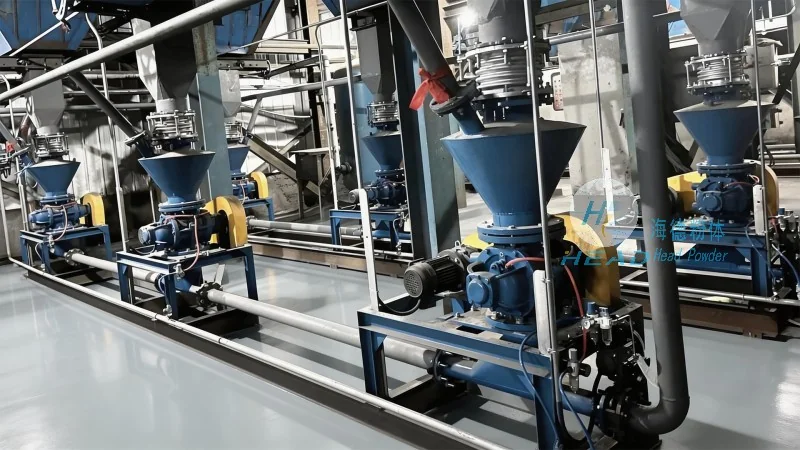
The operational environment of lysine powder pneumatic conveying lines is characterized by several critical factors that influence system performance and reliability. Firstly, the hygienic design of the equipment is paramount, as lysine is a food-grade ingredient used in animal feed and human nutrition. The conveying system must comply with strict sanitary standards to prevent contamination and ensure product purity. Secondly, the system's ability to handle fine, cohesive powders like lysine is crucial. The design must address issues such as powder bridging, agglomeration, and flow control to maintain consistent material transfer. Thirdly, the system's energy efficiency and operational cost-effectiveness are significant considerations for industrial applications. Advanced control systems and optimized air pressure management help reduce energy consumption while maintaining high conveying rates. Additionally, the system's adaptability to varying production volumes and process changes is essential for flexible manufacturing environments.
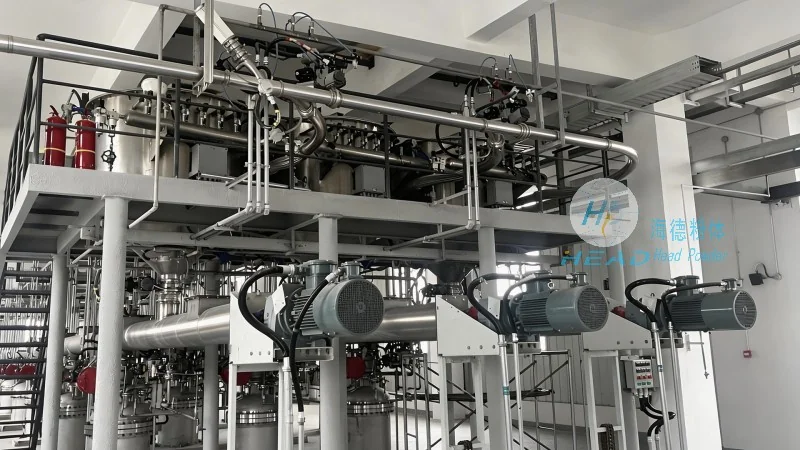
Lysine powder pneumatic conveying lines are widely employed in various industrial settings within the lysine production and processing sectors. These systems are commonly used in feed mills, chemical plants, and pharmaceutical facilities where the safe and efficient transfer of lysine powder is critical. The primary advantages of pneumatic conveying over traditional methods like belt conveyors or bucket elevators include improved hygiene, reduced product contamination risk, and the ability to handle fine powders without the need for mechanical contact. Furthermore, the system's compact design allows for space-saving installations, which is particularly beneficial in facilities with limited floor space. The continuous operation capability of pneumatic conveying lines also contributes to higher production throughput and reduced downtime compared to batch processing methods.
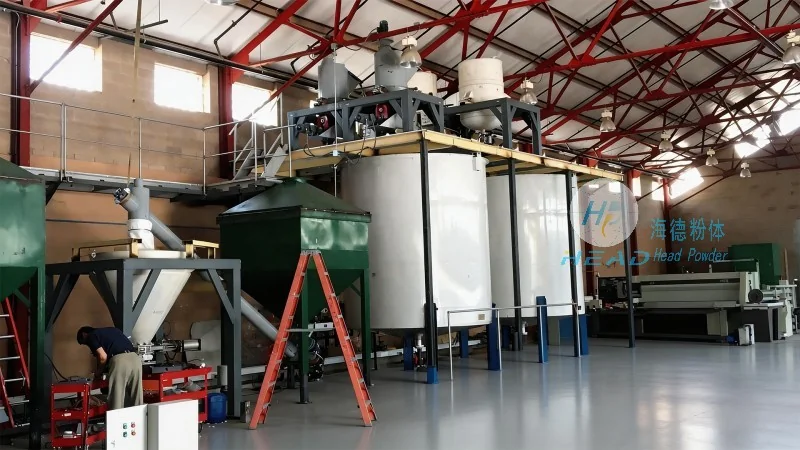
HeadPowder Engineering Co., Ltd., headquartered in Shandong, China, is a professional manufacturer and supplier of advanced powder handling equipment. With years of experience in the industry, HeadPowder specializes in customizing pneumatic conveying systems to meet the specific needs of clients in the lysine and other powder industries. The company's commitment to quality, innovation, and customer satisfaction has established it as a trusted partner for businesses seeking reliable and efficient powder processing solutions. HeadPowder's engineering team leverages cutting-edge technology and rigorous testing to ensure that each conveying line meets the highest standards of performance and durability.

 Shandong Headpowder Engineering Co., Ltd.
 156-6277-7102(Manager Zhang)
  0531-83386006
  Zhangqiu District, Jinan City, Shandong Province, China
telephone
WeChatconsult
top