

Principles and Working Scene Characteristics of Barite Material Handling System Equipment
Barite, a mineral widely used in various industrial applications such as oil drilling, chemical manufacturing, and radiation shielding, requires efficient and reliable material handling solutions to ensure smooth production processes. The barite material handling system equipment, developed by Shandong HeadPowder Engineering Co., Ltd., is designed to address the unique challenges associated with transporting this heavy and abrasive mineral. This article explores the underlying principles of these systems and highlights the key working scene characteristics that make them indispensable in modern industrial operations.
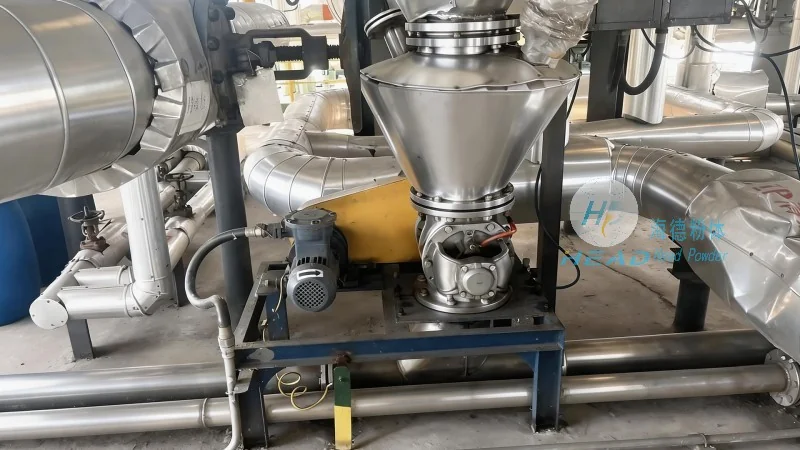
Understanding the Core Principles of Barite Material Handling Systems
The barite material handling system equipment operates on several fundamental principles that ensure optimal performance and durability. One of the primary principles is the use of robust and corrosion-resistant materials to withstand the harsh conditions of barite handling. Barite is known for its high density and abrasive nature, which can quickly wear down conventional equipment. Therefore, the systems incorporate components made from high-strength steel, stainless steel, and specialized coatings to extend their service life. Another critical principle is the integration of advanced control technologies, such as variable frequency drives (VFDs) and sensors, to regulate the speed and flow of materials. This not only enhances operational efficiency but also minimizes energy consumption and reduces the risk of equipment damage. Additionally, the systems are engineered for flexibility, allowing them to adapt to different processing requirements and production scales. By combining these principles, the equipment provides a reliable solution for handling barite in various industrial settings.
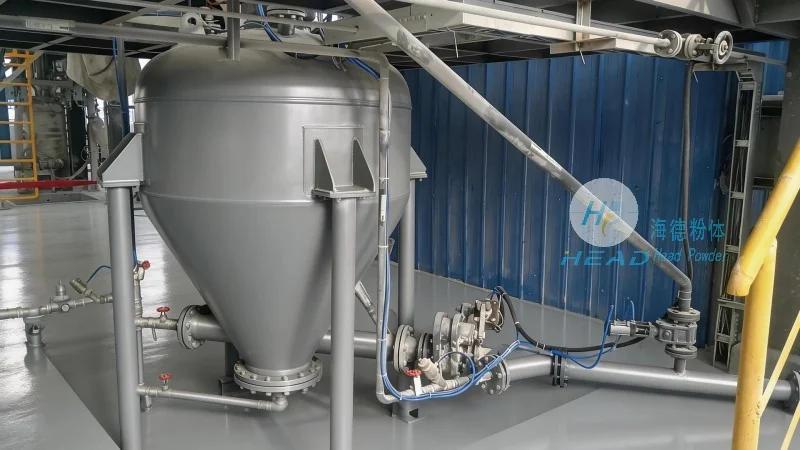
Key Working Scene Characteristics of Barite Material Handling Systems
The working scene characteristics of barite material handling systems are tailored to meet the specific demands of industrial environments. One of the most notable characteristics is their ability to handle high volumes of material with minimal downtime. The systems are designed to operate continuously, with features like automated feeding and unloading mechanisms that reduce manual intervention and increase productivity. This is particularly important in large-scale operations where consistent output is crucial. Another characteristic is the emphasis on safety and compliance. Barite handling involves handling heavy loads and potentially hazardous materials, so the systems incorporate safety features such as emergency stop buttons, overload protection, and enclosed designs to prevent accidents and ensure regulatory compliance. Furthermore, the systems are built for easy maintenance and repair, with modular components that can be replaced quickly without disrupting the entire operation. This reduces maintenance costs and ensures that the equipment remains operational even during routine checks. The working scene characteristics also include adaptability to different processing stages, from raw material intake to finished product delivery. Whether used in a mining operation, a processing plant, or a packaging facility, the systems can be configured to suit the specific workflow, making them versatile and efficient.
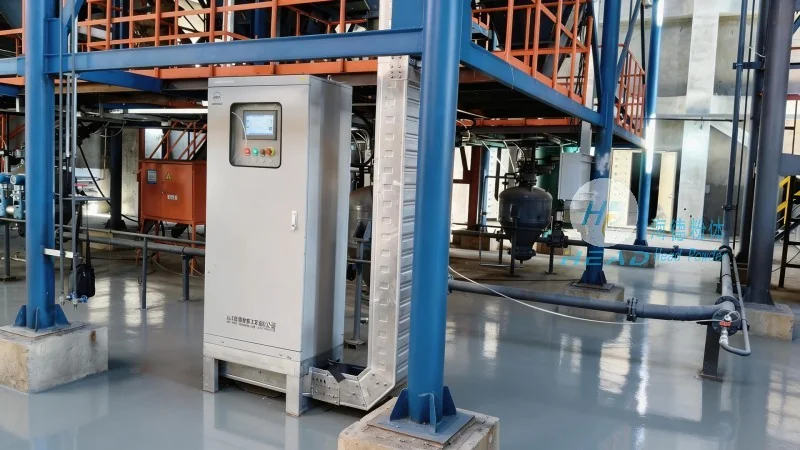
Applications and Benefits in Industrial Settings
Barite material handling systems are widely used in various industrial applications, offering significant benefits to companies operating in these sectors. In the oil and gas industry, for example, barite is used as a weighting agent in drilling fluids to increase the density of the fluid and prevent blowouts. The material handling systems ensure that the barite is transported efficiently from storage to the drilling site, maintaining the quality and consistency of the drilling fluid. In the chemical industry, barite is used as a filler in paints, plastics, and rubber products. The systems help in delivering the raw material to the production lines, ensuring a steady supply and reducing production delays. The benefits of these systems extend beyond efficiency; they also contribute to cost savings and environmental sustainability. By reducing material waste and energy consumption, the systems help companies lower their operational costs and minimize their environmental footprint. Additionally, the reliability of the equipment reduces the need for frequent replacements and repairs, leading to long-term savings. The working scene characteristics, such as high capacity and low maintenance, make these systems a valuable investment for any industrial operation dealing with barite.