With more than 10‑year industry experience, Shandong Headpowder delivers full‑service pneumatic‑conveying systems and blowers, undertaking nationwide turn‑key powder‑handling projects.
Shandong HeadPowder Engineering Co., Ltd. specializes in the design, manufacturing, and installation of advanced pneumatic conveying systems tailored for bulk material handling in loading and unloading operations. These systems represent a sophisticated solution for efficiently transporting dry or semi-dry powders and granular materials between storage silos, processing units, and transportation vehicles. The core principle of pneumatic conveying involves using compressed air or other gases to create a flow that propels the material through a pipeline network, eliminating the need for mechanical components like conveyor belts or buckets in many applications.
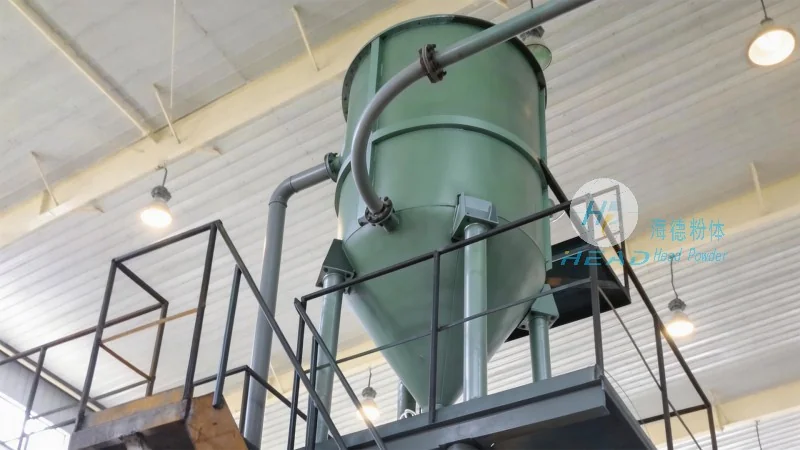
The fundamental operation of a pneumatic conveying system for bulk material loading and unloading relies on the generation of a pressure differential. In a typical system, a blower or compressor supplies compressed air to a hopper or feeder, where the material is introduced. The air flow then entrains the material particles, forming a dense or dilute phase stream that travels through the pipeline. The system can operate under either positive pressure (where the pipeline is pressurized above atmospheric pressure) or negative pressure (suction mode), depending on the application requirements. The choice of system type—such as dilute phase, dense phase, or pressure vacuum—depends on factors like material characteristics, distance, and desired flow rate. For loading and unloading scenarios, positive pressure systems are commonly used to push material from a storage facility to a truck or ship, while suction systems may be employed for material recovery from open areas.
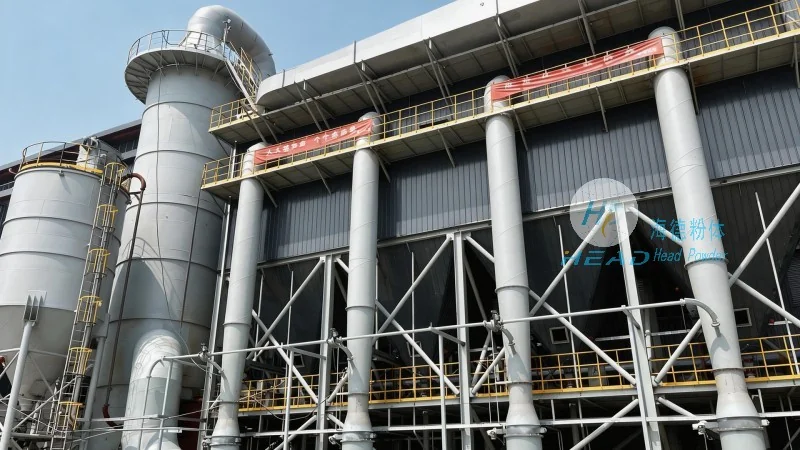
Several critical components work in tandem to ensure the efficient operation of a pneumatic conveying system. The primary components include a material feeder (hopper or rotary valve) that controls the flow rate of the material into the system, a blower or compressor that provides the necessary air pressure, a pipeline network that transports the material-air mixture, and a separator or cyclone that separates the material from the air at the discharge end. In loading and unloading applications, additional components such as a silo, a loading spout, or a discharge hopper may be integrated. The feeder ensures a consistent material feed, preventing blockages or uneven flow. The blower or compressor generates the pressure required to move the material, with the selection of equipment based on the system's capacity and the material's properties. The pipeline network must be designed to minimize pressure losses, often using smooth, corrosion-resistant materials like stainless steel or PVC. The separator is crucial for recovering the material from the air stream, allowing the air to be filtered and recycled, which improves energy efficiency and reduces environmental impact.
The working scene characteristics of pneumatic conveying systems for bulk material loading and unloading are defined by the operational environment and the specific requirements of the material handling process. These systems are particularly well-suited for applications where material is transferred between a storage silo and a transportation vehicle, such as trucks, railcars, or ships. The key characteristics include high efficiency in moving large volumes of material over relatively short to medium distances, minimal material degradation due to the absence of mechanical contact, and the ability to handle a wide range of materials, from fine powders to coarse granules. In loading operations, the system can operate continuously, ensuring that trucks or ships are filled quickly and reliably. For unloading, the system can reverse the flow, extracting material from the vehicle back into a storage facility. The flexibility of pneumatic conveying systems also allows them to be integrated into existing infrastructure, adapting to various industrial settings. For example, in a cement plant, the system might be used to transfer raw materials from a silo to a kiln, while in a food processing facility, it could handle powders like flour or sugar during loading and unloading of delivery trucks.
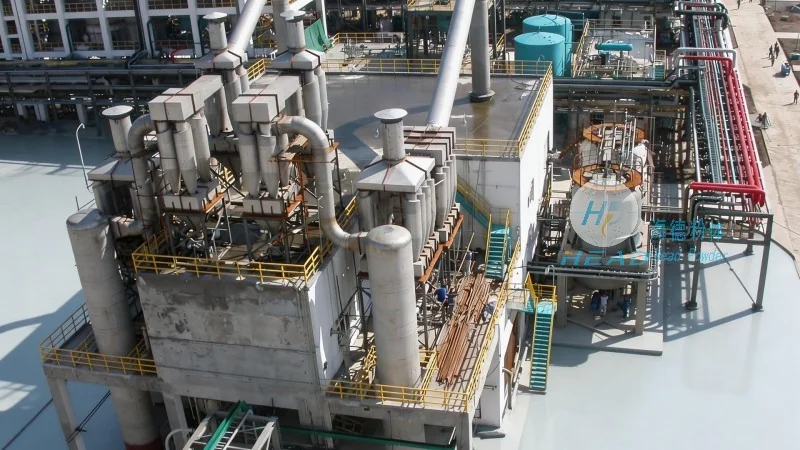
Implementing a pneumatic conveying system for bulk material loading and unloading offers several advantages that make it a preferred choice in many industries. One of the most significant benefits is the reduction in labor costs and operational time compared to traditional methods like manual loading or mechanical conveyors. The automated nature of the system allows for continuous operation, increasing productivity and throughput. Additionally, the system minimizes material spillage and dust contamination, improving workplace safety and environmental compliance. The lack of moving parts in the conveying line reduces maintenance requirements and downtime, leading to lower operational costs over the system's lifespan. For materials that are sensitive to moisture or air exposure, the enclosed pipeline system protects the material from external factors, maintaining its quality. In terms of energy efficiency, modern systems use advanced blowers and compressors that optimize air usage, reducing energy consumption. The adaptability of the system to different materials and operational conditions also enhances its versatility, making it suitable for a wide range of applications.

 Shandong Headpowder Engineering Co., Ltd.
 156-6277-7102(Manager Zhang)
  0531-83386006
  Zhangqiu District, Jinan City, Shandong Province, China
telephone
WeChatconsult
top