

Principle and Working Scene Characteristics of Calcium Powder Pneumatic Conveying Lines
Calcium powder, a widely used material in various industrial sectors such as chemical manufacturing, food processing, and construction, often requires efficient and reliable transportation methods to ensure smooth production processes. Traditional methods like manual handling or mechanical conveyors may pose challenges due to the material's properties, including its tendency to agglomerate, generate dust, or require precise control over flow rates. Pneumatic conveying systems have emerged as a preferred solution for handling calcium powder, offering advantages in terms of efficiency, safety, and environmental friendliness. This article explores the fundamental principles behind calcium powder pneumatic conveying lines and highlights the key characteristics of working scenarios where such systems are applied, with a focus on the expertise of Shandong HeadPowder Engineering Co., Ltd. (headpowder), a leading provider of industrial conveying solutions based in Shandong, China.
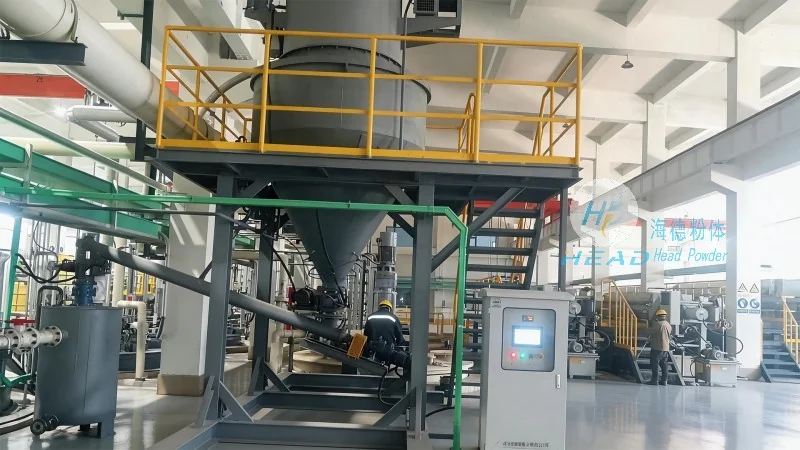
About Shandong HeadPowder Engineering Co., Ltd.
Shandong HeadPowder Engineering Co., Ltd., commonly known as headpowder, is a professional enterprise specializing in the design, manufacturing, and installation of pneumatic conveying systems. With its headquarters located in Shandong, China, the company leverages years of industry experience to deliver customized solutions tailored to the unique needs of clients handling calcium powder and other similar materials. headpowder's commitment to quality, innovation, and customer satisfaction has established it as a trusted partner in the field of material handling, providing comprehensive services from initial consultation to long-term maintenance and support.
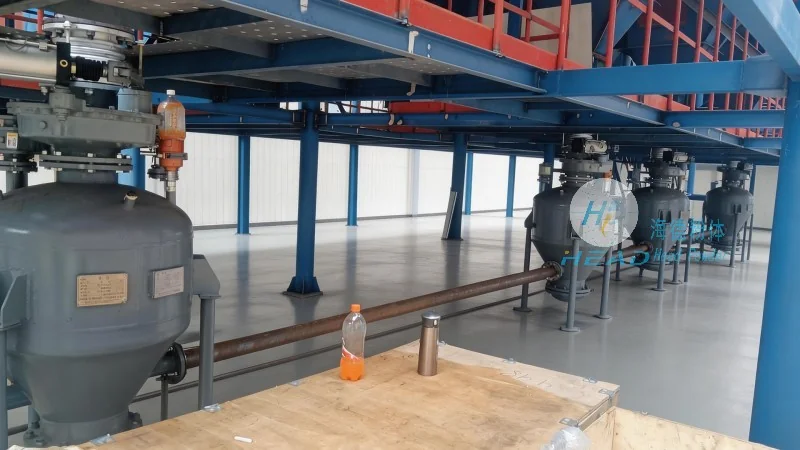
The Principle of Pneumatic Conveying for Calcium Powder
Pneumatic conveying systems operate by transporting bulk materials like calcium powder through a pipeline using compressed air or other gas. The core principle involves creating a flow of air that moves the powder particles along the pipeline, either by positive pressure (where air is blown into the system) or negative pressure (where air is drawn out). For calcium powder, which may have varying particle sizes and flow characteristics, the system design must account for factors such as particle size distribution, moisture content, and the risk of dust generation. The typical components of a calcium powder pneumatic conveying line include a material feeder (to introduce the powder into the system), a conveying pipeline (to transport the material), a separation device (to separate the powder from the air), and a collection system (to store the material). The choice between positive and negative pressure systems depends on the specific application, with positive pressure systems often preferred for long-distance or high-capacity applications due to their ability to handle larger volumes and overcome higher resistance in the pipeline.
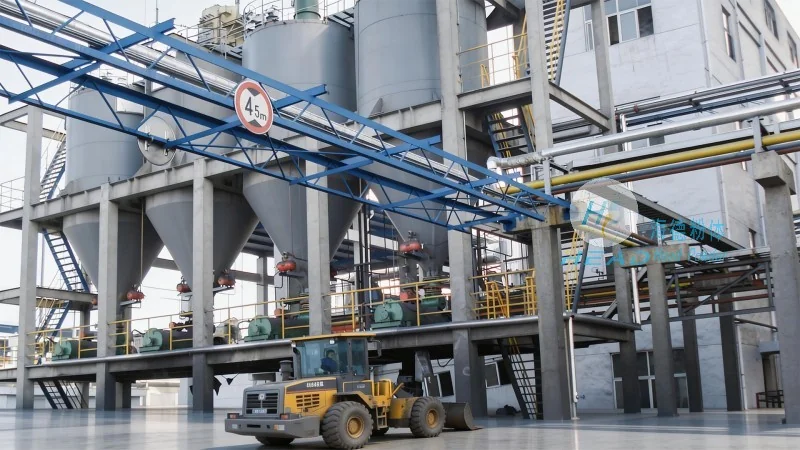
Working Scene Characteristics of Calcium Powder Pneumatic Conveying Lines
The effectiveness of a calcium powder pneumatic conveying system is heavily influenced by the working scenarios in which it is deployed. Different industrial environments present unique challenges and requirements that dictate the design and operation of the system. For instance, in chemical manufacturing plants, where calcium powder is used as a raw material for producing calcium-based compounds, the system must ensure precise dosing and minimal contamination. In food processing facilities, where calcium powder is used as an additive, the system must maintain strict hygiene standards and prevent cross-contamination. In construction sites, where calcium powder is used as a component in concrete or plaster, the system must handle larger particle sizes and ensure consistent flow rates. The working scene characteristics also include factors such as the distance between the source and destination of the material, the height of the conveying line, and the need for multiple delivery points. headpowder's expertise lies in adapting the pneumatic conveying system to these diverse scenarios, ensuring optimal performance and reliability. For example, in a scenario where calcium powder needs to be transported from a silo to multiple processing units, the system may incorporate a branching pipeline with individual control valves to direct the material to different destinations. In another scenario, where the conveying distance is long and the material has a high tendency to agglomerate, the system may include a rotary valve feeder with a pre-drying or pre-mixing step to improve flowability. These adaptations demonstrate how the working scene characteristics directly impact the design and operation of the calcium powder pneumatic conveying line.
Advantages of Calcium Powder Pneumatic Conveying Systems
Compared to traditional mechanical conveyors, pneumatic conveying systems offer several advantages when handling calcium powder. One of the key benefits is the ability to handle materials with varying particle sizes and flow characteristics without the need for additional equipment like screens or crushers. This reduces the risk of material degradation and ensures consistent product quality. Another advantage is the improved safety and environmental performance. Pneumatic systems minimize dust exposure by containing the material within the pipeline, reducing the risk of respiratory issues for workers and preventing dust from entering the environment. Additionally, the systems can be designed to operate with lower energy consumption compared to mechanical conveyors, contributing to cost savings and environmental sustainability. The flexibility of pneumatic conveying systems also allows for easy integration with other production processes, such as blending or mixing, by connecting the conveying line to processing equipment. This integration enhances overall production efficiency and reduces downtime. headpowder's calcium powder pneumatic conveying lines are engineered to maximize these advantages, providing clients with a reliable and efficient solution for their material handling needs.
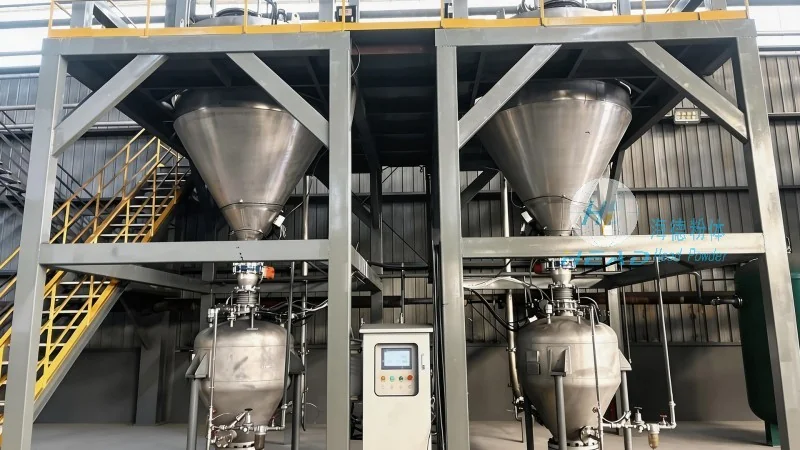
Conclusion
Calcium powder pneumatic conveying lines represent a sophisticated and effective solution for transporting calcium powder in various industrial applications. The principles behind these systems, combined with the expertise of companies like Shandong HeadPowder Engineering Co., Ltd., enable the efficient and safe handling of calcium powder, addressing the unique challenges posed by its properties. By understanding the working scene characteristics and adapting the system design accordingly, industries can achieve improved productivity, reduced operational costs, and enhanced safety. As a leading provider of pneumatic conveying solutions, headpowder continues to innovate and deliver tailored systems that meet the evolving needs of its clients, ensuring that calcium powder is transported with precision and reliability in diverse industrial settings.