With more than 10‑year industry experience, Shandong Headpowder delivers full‑service pneumatic‑conveying systems and blowers, undertaking nationwide turn‑key powder‑handling projects.
Paddy material pneumatic conveying lines are specialized systems designed to transport paddy grains efficiently and safely. These systems utilize air as the primary medium to move bulk materials, offering a non-contact and low-maintenance solution for agricultural processing and storage applications. The technology has gained prominence in the rice industry due to its ability to handle delicate paddy grains without causing damage, ensuring high-quality output and operational efficiency.
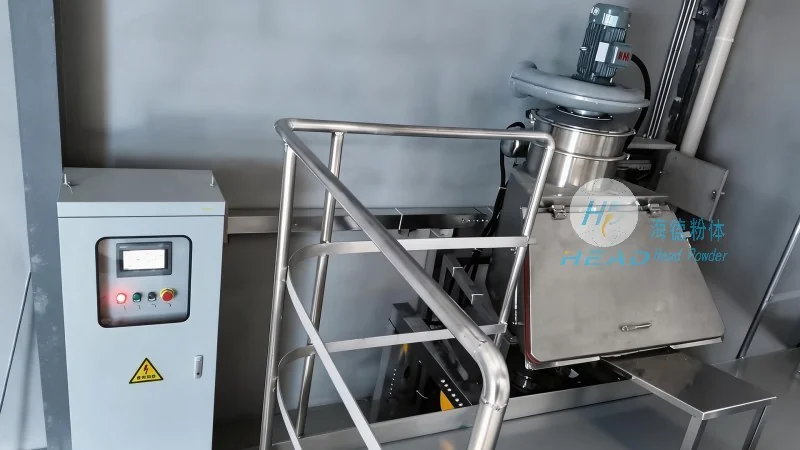
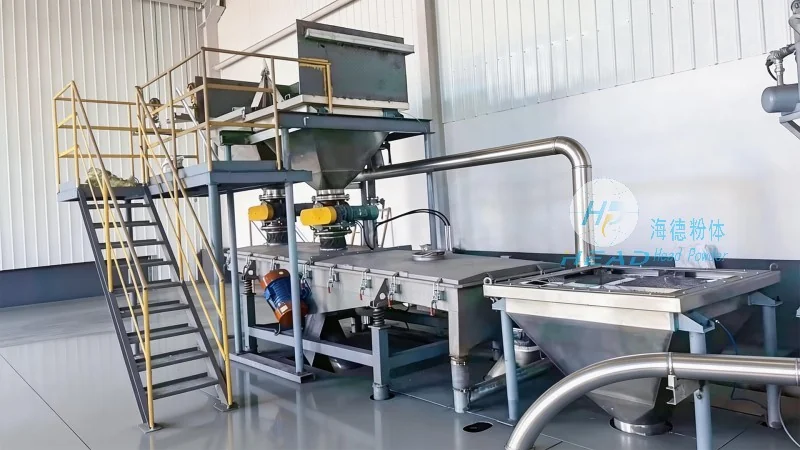
The core mechanism of paddy material pneumatic conveying lines involves the use of a vacuum or pressure system to draw or push paddy grains through a network of pipes. The process typically begins with the paddy being fed into a hopper or inlet chamber. From there, air is introduced into the system, either by creating a vacuum (suction) or applying pressure (blowing). This air flow generates a stream that carries the paddy particles through the pipeline. Key components include the inlet hopper, airlock valves, conveying pipes, and discharge equipment. The air velocity is carefully controlled to ensure that the paddy grains are transported without excessive impact or abrasion. The system may also incorporate filters and cyclones to separate the air from the paddy material, allowing for clean air recirculation or exhaust. This closed-loop or semi-closed-loop operation minimizes dust and contamination, making it suitable for food-grade applications.
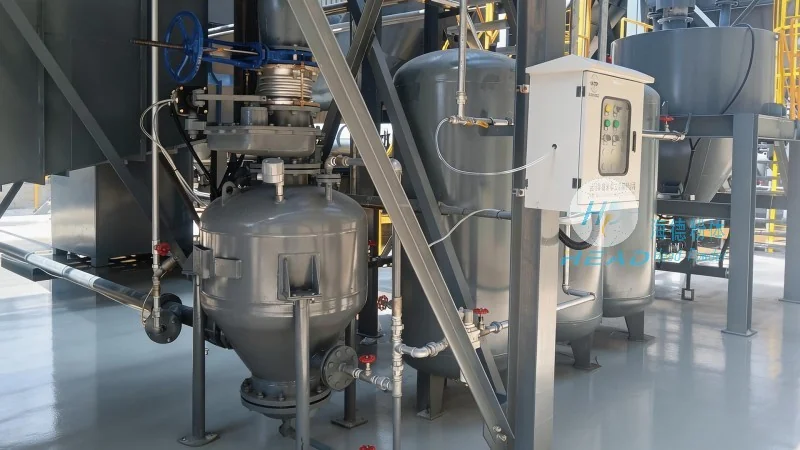
Several distinct features make paddy material pneumatic conveying lines an attractive option for rice processing facilities. First, the non-contact transport method reduces the risk of grain breakage and damage, preserving the quality of the paddy. This is particularly important for high-value rice varieties where grain integrity directly impacts market value. Second, the system offers high flexibility in terms of layout and integration with other processing equipment. It can be configured to handle multiple input and output points, allowing for complex material flow paths within a facility. Third, pneumatic conveying systems are generally low in maintenance compared to mechanical alternatives. The absence of moving parts in the conveying line itself reduces wear and tear, and the use of air as the medium eliminates the need for heavy machinery or frequent lubrication. Fourth, these systems provide excellent dust control and environmental protection. By containing the paddy in a sealed pipeline, they prevent dust emissions and minimize the risk of contamination from external sources. This is crucial for maintaining hygiene standards in food processing environments. Finally, the energy efficiency of modern pneumatic conveying systems has improved significantly, with optimized air flow and pressure control reducing operational costs over time.
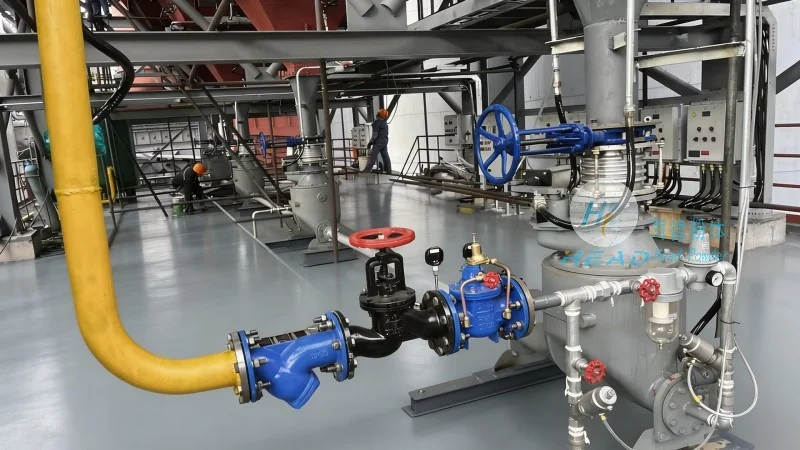
Shandong HeadPowder Engineering Co., Ltd., operating under the brand name headpowder, specializes in the design, manufacturing, and installation of advanced pneumatic conveying systems for various industries, including agriculture and food processing. With a focus on innovation and customer-centric solutions, the company has developed expertise in tailoring conveying systems to meet the specific needs of paddy handling operations. The company’s facilities are located in Shandong, China, where it leverages local resources and industry knowledge to deliver high-quality products and services. By combining technical expertise with practical application experience, headpowder aims to provide reliable and efficient solutions that enhance the productivity and sustainability of rice processing facilities worldwide.

 Shandong Headpowder Engineering Co., Ltd.
 156-6277-7102(Manager Zhang)
  0531-83386006
  Zhangqiu District, Jinan City, Shandong Province, China
telephone
WeChatconsult
top