

[W]Working Principle and Features of Automatic Material Feeding Pneumatic Conveying Systems
Automatic material feeding pneumatic conveying systems are critical components in modern industrial operations, particularly for the formulation and processing of bulk materials. These systems leverage air as the primary transport medium to move materials from one location to another, offering a flexible and efficient solution for material handling. Understanding the working principle and key features of such systems is essential for evaluating their suitability and benefits in various industrial applications.
Working Principle of Automatic Material Feeding Pneumatic Conveying Systems
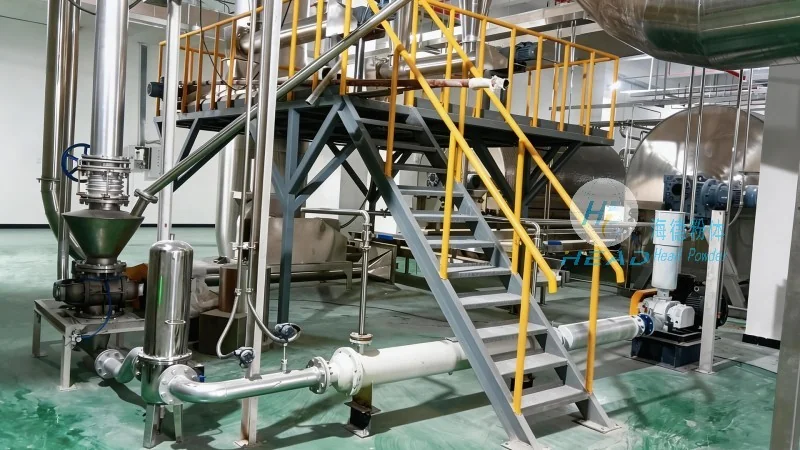
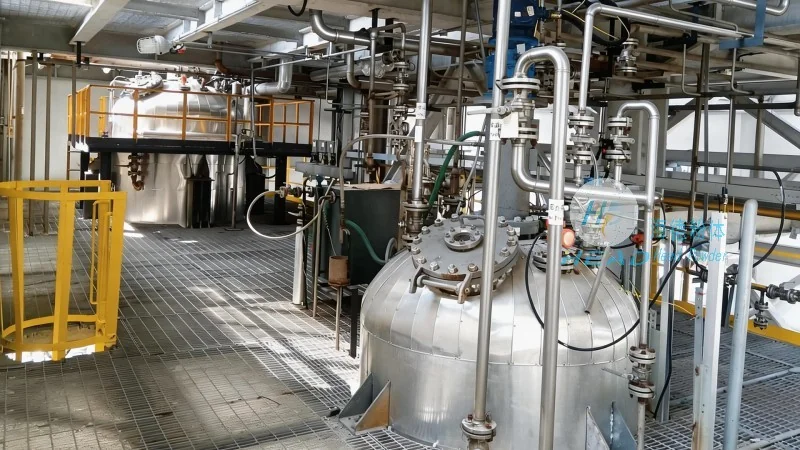
The fundamental working principle of automatic material feeding pneumatic conveying systems centers on the use of compressed air to generate a pressure differential that propels bulk materials through a pipeline. The process typically starts with material being introduced into a hopper or feeder, where it is then drawn into the conveying line by the moving air stream. As the air flows through the system, it carries the material particles along, ensuring a continuous and controlled transfer. The system commonly includes components like airlocks, cyclones, and filters to manage material flow and maintain system efficiency. The entire operation is automated, with sensors and control systems regulating air pressure, material feed rate, and overall system performance to ensure consistent and reliable material transfer.
Key Features of Automatic Material Feeding Pneumatic Conveying Systems
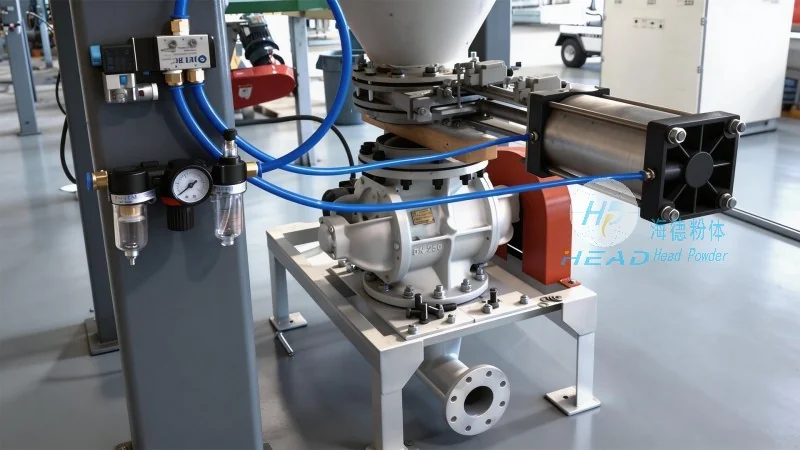
Automatic material feeding pneumatic conveying systems offer several distinct advantages that make them ideal for industrial use. One primary feature is their ability to handle a wide range of materials, including powders, granules, and fine particles, without mechanical components that could cause wear or contamination. The systems are designed for high efficiency, with minimal downtime and low maintenance needs, as they rely on air as the conveying medium rather than physical contact between materials and equipment. Another significant feature is system flexibility, allowing for horizontal, vertical, or combined (mixed) conveying paths to accommodate different plant layouts and material transfer requirements. Additionally, these systems provide excellent dust control and environmental protection, as the air is filtered and material is contained within the pipeline, reducing airborne contamination and enhancing workplace safety. The automation aspect also ensures operational consistency, with precise material feeding rates critical for maintaining product quality and process stability.
Company Introduction: Shandong HeadPowder Engineering Co., Ltd.
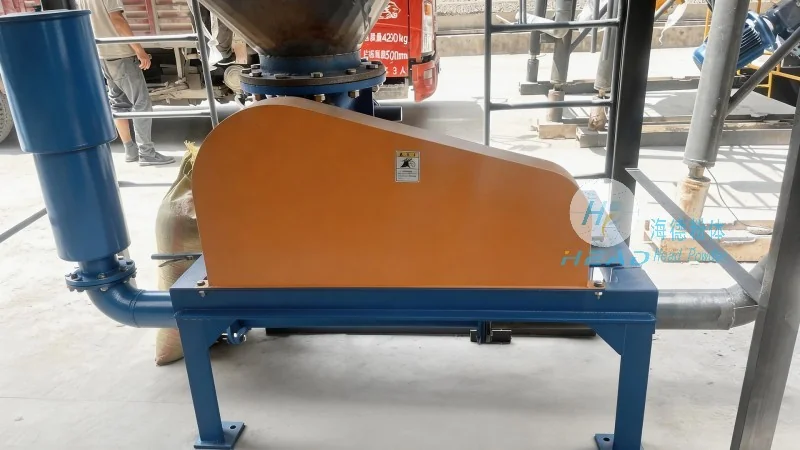
Shandong HeadPowder Engineering Co., Ltd., headquartered in Shandong, China, is a leading provider of advanced material handling solutions, including automatic material feeding pneumatic conveying systems. The company specializes in designing, manufacturing, and installing customized systems tailored to the specific needs of industries such as pharmaceuticals, food processing, chemicals, and manufacturing. With a strong focus on innovation and quality, HeadPowder Engineering utilizes cutting-edge technology to develop efficient and reliable solutions that enhance productivity and safety in material handling operations. The company's expertise in pneumatic conveying technology ensures clients receive systems optimized for their unique processes, meeting both current and future material handling demands.