

Working Principle and Characteristics of Fly Ash Powder Pneumatic Conveying
For industrial applications involving the handling of fly ash powder, understanding the working principle and key characteristics of pneumatic conveying systems is essential. This article provides an in-depth look at how fly ash powder pneumatic conveying operates and the advantages it offers in material transport.
Company Introduction
HeadPowder, or Shandong HeadPowder Engineering Co., Ltd., is a professional manufacturer based in Shandong, China. The company specializes in the design, development, and production of advanced pneumatic conveying equipment tailored for various industrial needs, including the efficient transport of fly ash powder.
Working Principle of Fly Ash Powder Pneumatic Conveying
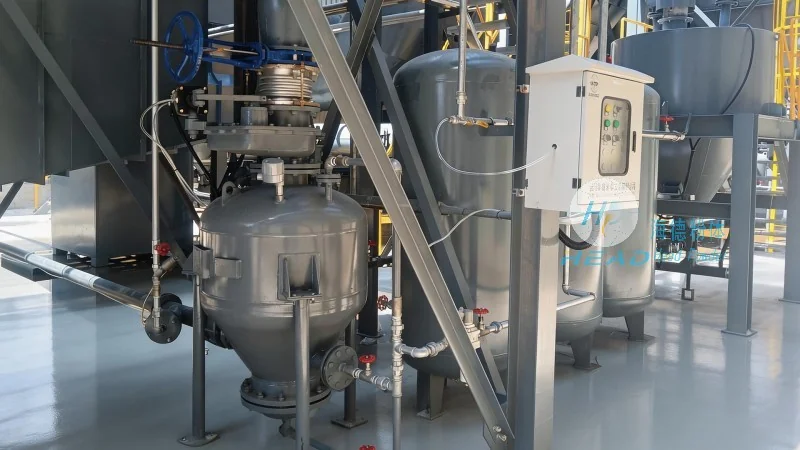
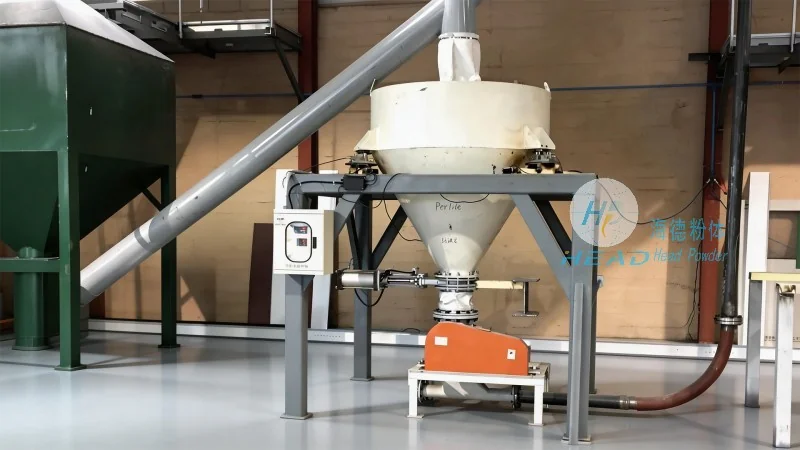
Fly ash powder pneumatic conveying relies on the principle of transporting solid particles through a pipeline using a fluid, typically air or gas. The process involves several key steps to ensure effective and reliable material transport. First, the fly ash powder is introduced into the conveying system, often via a hopper or feeder. Then, a high-pressure air stream is generated and directed into the pipeline, creating a flow that lifts and moves the powder particles. The air velocity is carefully controlled to maintain a stable suspension of the powder, preventing clogging and ensuring smooth transport. The system may include components such as a blower, ducts, and a receiver where the powder is deposited at the destination. This method eliminates the need for mechanical components like belts or buckets, reducing maintenance and increasing operational efficiency.
Key Characteristics of Fly Ash Powder Pneumatic Conveying
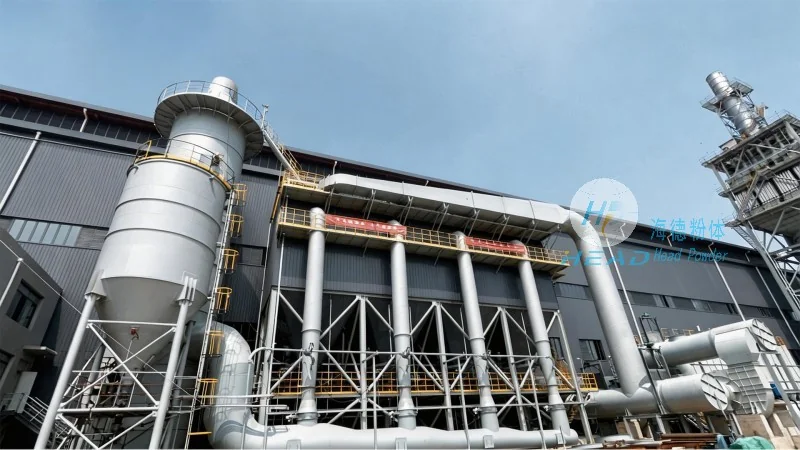
Several distinct characteristics define the performance of fly ash powder pneumatic conveying systems. One of the primary advantages is the ability to handle fine and abrasive materials like fly ash without causing wear or damage to the equipment. The system is also highly flexible, allowing for changes in conveying distance and layout with minimal modifications. Additionally, it offers excellent dust control compared to other methods, as the material is contained within the pipeline and sealed from the environment. Another important characteristic is the low maintenance requirement, as there are fewer moving parts compared to mechanical conveyors. This results in lower operational costs and increased uptime. The system also provides consistent and reliable transport, ensuring that the fly ash powder reaches its destination in a controlled manner, which is crucial for applications such as cement production or power plant operations.
Advantages and Applications
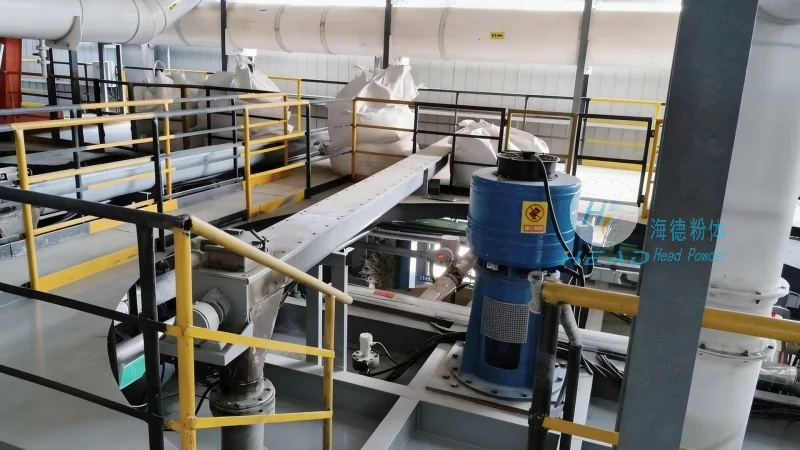
The advantages of fly ash powder pneumatic conveying make it an ideal solution for industries that require efficient and safe handling of fly ash. The system's ability to handle abrasive materials without degradation, combined with its low maintenance and dust control features, makes it suitable for long-distance transport and complex layouts. Applications include the transport of fly ash from power plants to cement factories, where it is used as a supplementary cementitious material. The system's flexibility also allows for integration with existing industrial processes, ensuring seamless operation and minimal disruption. Overall, the technology provides a reliable and cost-effective method for managing fly ash powder, contributing to improved efficiency and sustainability in industrial operations.