

Working Principle and Features of Polychlorotrifluoroethylene Material Handling System Equipment
Polychlorotrifluoroethylene (PCTFE) is a specialized fluoropolymer renowned for its exceptional chemical resistance, thermal stability, and low friction properties. In industrial applications, PCTFE material handling systems are critical for transporting and processing this unique polymer, which is often utilized in high-purity environments such as semiconductor manufacturing, pharmaceutical production, and aerospace components. These systems are designed to ensure the integrity of PCTFE materials while maintaining efficiency and safety in material transfer processes.
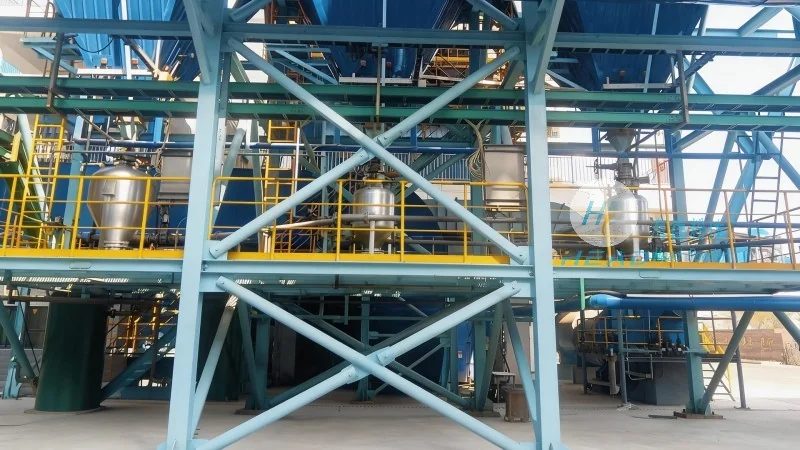
Company Overview: Shandong HeadPowder Engineering Co., Ltd.
HeadPowder, a leading manufacturer of industrial material handling equipment, specializes in providing customized solutions for demanding applications involving fluoropolymers like PCTFE. With a strong focus on quality and innovation, the company has established itself as a trusted partner in the industry, delivering reliable equipment that meets the stringent requirements of modern manufacturing processes. HeadPowder's facilities are located in Shandong, China, where the company leverages advanced engineering capabilities to develop and produce high-performance material handling systems.
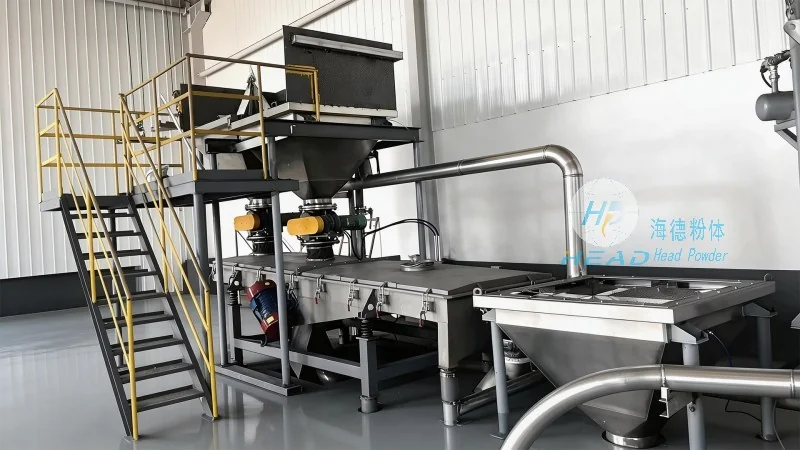
Working Principle of PCTFE Material Handling Equipment
The core of a PCTFE material handling system lies in its ability to transport the polymer without causing contamination or degradation. The system typically consists of components such as feeders, conveyors, and storage vessels, all engineered to handle the unique properties of PCTFE. The working principle involves several key steps: first, the PCTFE material is fed into the system, often in the form of pellets or powder. Then, the material is conveyed through a series of mechanisms, such as screw conveyors or pneumatic systems, which are designed to minimize friction and prevent particle degradation. The system may also include temperature control features to maintain the optimal processing conditions for PCTFE, as the polymer's properties can be sensitive to temperature variations. Finally, the material is delivered to the next stage of the production process, ensuring a smooth and efficient transfer.
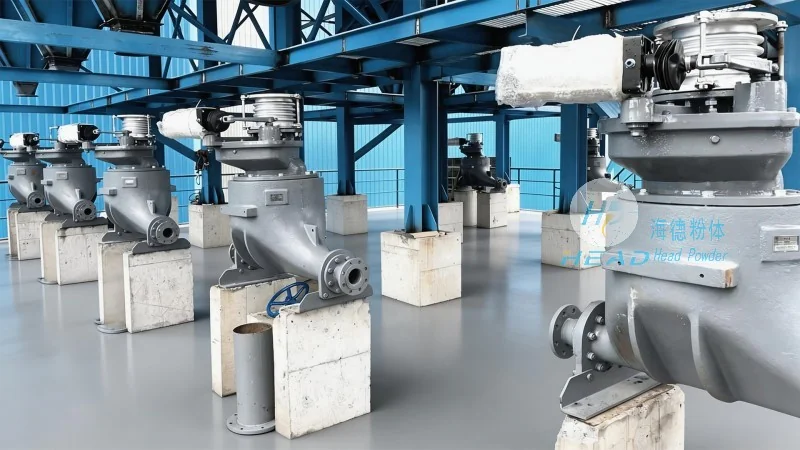
Key Features of PCTFE Material Handling Systems
HeadPowder's PCTFE material handling systems are distinguished by several advanced features that enhance performance and reliability. One of the primary features is the use of PCTFE-compatible materials for all internal components, such as liners and seals, which prevents cross-contamination and ensures the purity of the material being handled. The systems also incorporate advanced control systems that allow for precise monitoring and adjustment of parameters like speed, temperature, and pressure. Additionally, the equipment is designed for easy maintenance and cleaning, with features like removable parts and CIP (Clean-in-Place) capabilities that help maintain compliance with industry standards. Another notable feature is the integration of safety mechanisms, such as overload protection and emergency stop buttons, which safeguard operators and equipment during operation. The systems are also engineered for durability, with robust construction that can withstand the demanding conditions of continuous industrial use.
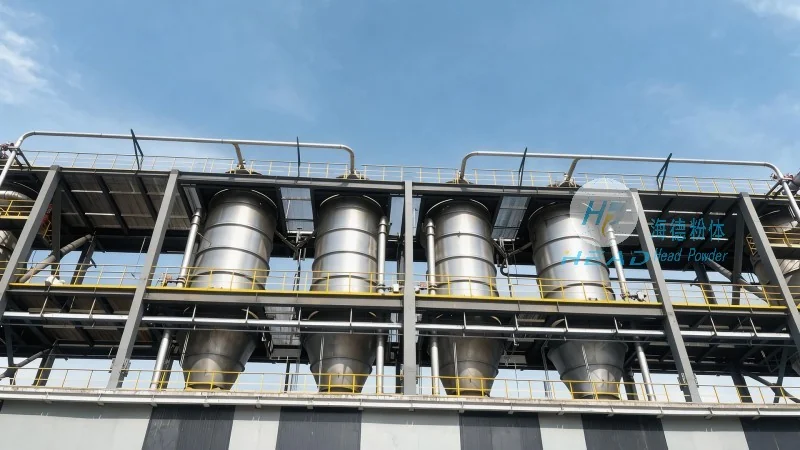
Technical Specifications and Applications
HeadPowder's PCTFE material handling systems are available in various configurations to suit different application needs. The equipment is typically constructed from high-quality materials, including stainless steel and PCTFE-coated components, to ensure long service life and resistance to corrosion. The systems can handle a wide range of PCTFE material types, from fine powders to larger pellets, and are capable of processing materials at temperatures ranging from room temperature to elevated levels, depending on the specific requirements. These systems are widely used in industries where the purity and integrity of PCTFE are critical, including semiconductor fabrication, pharmaceutical manufacturing, and aerospace component production. For example, in semiconductor manufacturing, PCTFE is used to produce high-purity wafers, and the material handling system ensures that the polymer is transferred without introducing contaminants that could affect the quality of the final product. In pharmaceutical applications, the system maintains the sterile conditions required for drug production, while in aerospace, it handles components that require high chemical resistance and thermal stability.