

Working Principle and Features of Wood Fiber Pneumatic Conveying Systems
Wood fiber pneumatic conveying systems are critical equipment for the processing and transportation of wood fiber materials. These systems leverage compressed air to move wood fibers through a pipeline network, offering an efficient and flexible solution for various industrial applications. In this article, we will explore the working principle and key features of wood fiber pneumatic conveying lines, providing a comprehensive overview of their functionality and advantages.
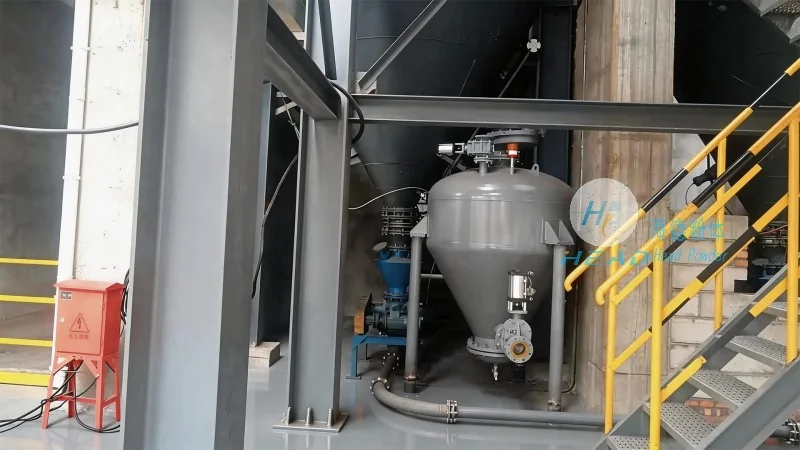
Working Principle of Wood Fiber Pneumatic Conveying Lines
The core mechanism of wood fiber pneumatic conveying systems involves utilizing compressed air to transport wood fibers via a pipeline. The process typically starts with wood fibers being fed into a hopper or feeder, where they are drawn into the conveying line by the pressure differential created by the air flow. As the air moves through the pipeline, it suspends the wood fibers, allowing them to travel smoothly and continuously. Components such as air locks, cyclones, and filters are integrated to manage the flow and maintain the quality of the wood fibers during transit. The working principle is based on fluidization, where the wood fibers are kept in suspension by the air stream, eliminating the need for mechanical contact and preserving the integrity of the fibers.
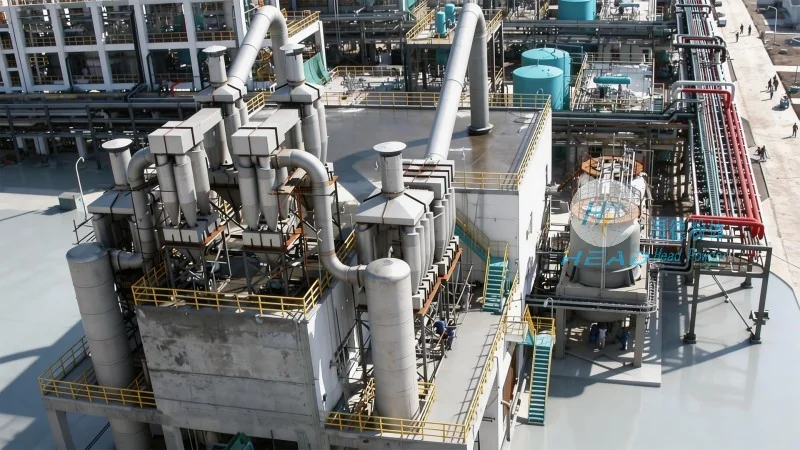
Key Features of Wood Fiber Pneumatic Conveying Systems
Wood fiber pneumatic conveying systems offer several distinct features that make them ideal for handling wood fiber materials. One primary advantage is their ability to handle a wide range of wood fiber types, including sawdust, shavings, and fine particles. The systems are designed for minimal maintenance, as the absence of moving parts in the conveying line reduces wear and tear. Additionally, these systems provide excellent dust control, with enclosed pipelines preventing dust from escaping and ensuring a cleaner working environment. Another notable feature is the flexibility in system design, allowing customization based on specific application requirements, such as varying lengths, diameters, and pressure levels. The systems also deliver high efficiency in material transport, moving large volumes over long distances with minimal energy consumption. Furthermore, safety features like pressure relief valves and air filtration systems ensure safe operation and compliance with environmental regulations.
Application Scenarios and Benefits
Wood fiber pneumatic conveying systems are widely used in industries like woodworking, paper manufacturing, and biomass energy production. In woodworking facilities, they transport wood chips and sawdust from processing areas to storage or processing units, streamlining workflows. In the paper industry, they convey wood pulp from storage to papermaking machines, ensuring consistent raw material supply. For biomass energy plants, the systems move wood pellets or other biomass materials to combustion or gasification units, supporting efficient energy generation. Benefits include increased productivity, reduced labor costs, and improved safety in material handling. The systems also contribute to environmental sustainability by minimizing manual handling and reducing dust-related health risks. Overall, wood fiber pneumatic conveying systems provide a reliable and efficient solution for transporting wood fiber materials, enhancing operational efficiency and supporting sustainable industrial practices.
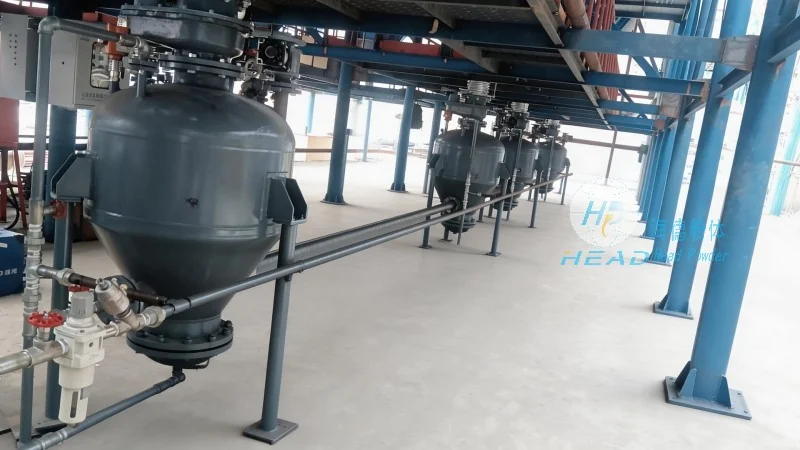
Conclusion
In conclusion, wood fiber pneumatic conveying systems are advanced equipment that efficiently transport wood fiber materials using compressed air. The working principle, based on fluidization and pressure differential, ensures smooth and controlled movement of the fibers. Key features such as flexibility, low maintenance, and dust control make these systems suitable for diverse industrial applications. By understanding the working principle and features of these systems, industries can make informed decisions about implementing efficient material handling solutions. As a leading provider in this field, Shandong HeadPowder Engineering Co., Ltd. specializes in designing and manufacturing high-quality wood fiber pneumatic conveying systems tailored to meet the specific needs of various industries, ensuring optimal performance and reliability.