

Working Principle and Features of Coffee Pneumatic Conveying Lines
For coffee processing facilities, efficient and reliable material handling is crucial to maintaining production efficiency and product quality. Coffee pneumatic conveying lines represent a sophisticated solution for transporting coffee beans and other related materials within the production environment. This article will explore the working principle and key features of such systems, providing insights into how they operate and why they are an essential component in modern coffee processing operations.
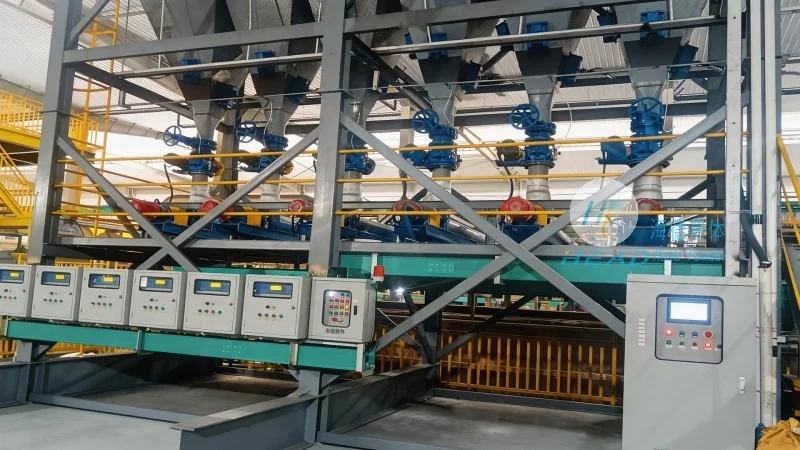
Working Principle of Coffee Pneumatic Conveying Lines
The core of a coffee pneumatic conveying line is its ability to transport materials through a pressurized or vacuum system using air or gas. The process typically begins with the material being fed into a hopper or feeder, where it is then introduced into a pipeline. As air is introduced into the system, it creates a flow that moves the coffee beans through the pipeline. This method eliminates the need for mechanical components like belts or chains, reducing friction and wear on the material and the equipment.
There are two primary types of pneumatic conveying systems used in coffee processing: pressure and vacuum. Pressure systems operate by forcing air into the pipeline, creating a positive pressure that pushes the material forward. Vacuum systems, on the other hand, use a vacuum pump to create a negative pressure, drawing the material into the pipeline. The choice between these systems depends on factors such as the distance to be covered, the material's properties, and the desired flow rate. In coffee processing, both systems are commonly used, with pressure systems often preferred for longer distances and vacuum systems for shorter distances or when handling lighter materials.
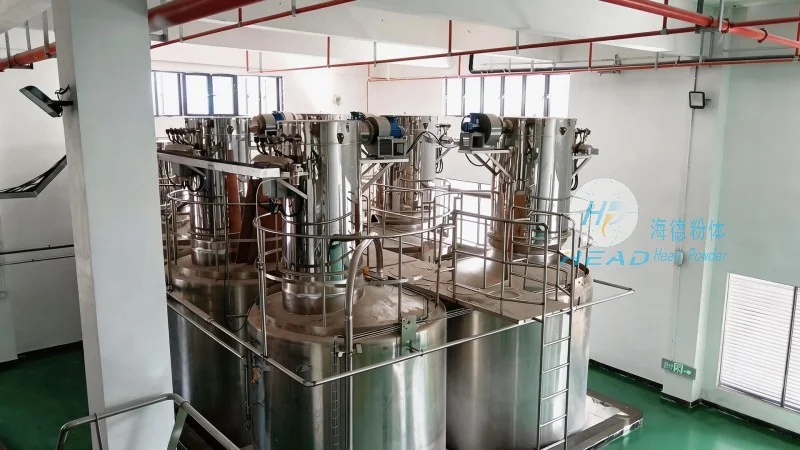
Key Features of Coffee Pneumatic Conveying Lines
Several key features make coffee pneumatic conveying lines an attractive option for coffee manufacturers. First, they offer a high degree of cleanliness and hygiene, which is critical in food processing environments. The enclosed system prevents contamination from external sources and minimizes dust and particle dispersion, ensuring that the coffee beans remain free from foreign substances. This is particularly important for maintaining the quality and safety of the final product.
Second, these systems provide excellent control over the flow rate and direction of material movement. By adjusting the air pressure or vacuum level, operators can precisely control how quickly the coffee beans are conveyed through the system. This allows for seamless integration with other processing equipment, such as roasters, grinders, and packaging machines. The ability to direct material to specific locations within the facility enhances operational flexibility and reduces downtime.
Third, coffee pneumatic conveying lines are highly efficient in terms of energy consumption and operational costs. Compared to traditional mechanical conveying systems, they require less maintenance and have lower energy requirements. The absence of moving parts reduces the risk of breakdowns and extends the lifespan of the equipment. Additionally, the enclosed design minimizes energy loss due to air leakage, making the system more energy-efficient over time.
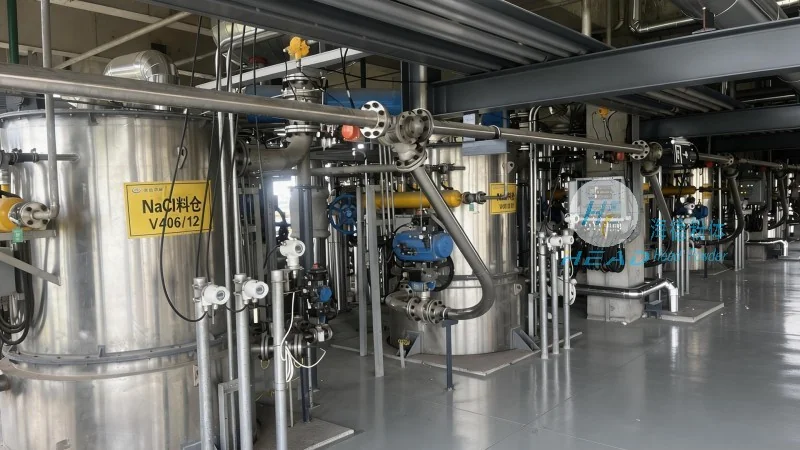
Fourth, these systems are designed to handle a wide range of coffee bean sizes and types. Whether processing green coffee beans, roasted coffee beans, or ground coffee, the conveying lines can accommodate different particle sizes and densities. This versatility makes them suitable for various stages of coffee processing, from raw material intake to final product packaging. The ability to handle different materials without the need for frequent adjustments or replacements enhances the system's adaptability and reduces operational complexity.
Conclusion and Company Information
Coffee pneumatic conveying lines are a vital component in modern coffee processing, offering efficient, hygienic, and flexible material handling solutions. By understanding their working principles and key features, coffee manufacturers can make informed decisions about integrating these systems into their production facilities. As a leading provider in the industry, Shandong HeadPowder Engineering Co., Ltd. specializes in designing and manufacturing high-quality coffee pneumatic conveying lines tailored to the specific needs of coffee processing operations. With a commitment to quality and innovation, HeadPowder ensures that their systems meet the highest standards of performance and reliability, helping coffee manufacturers optimize their production processes and maintain product excellence.