With more than 10‑year industry experience, Shandong Headpowder delivers full‑service pneumatic‑conveying systems and blowers, undertaking nationwide turn‑key powder‑handling projects.
Broken bag pneumatic conveyors are specialized equipment designed to handle bulk materials that are contained within damaged or broken packaging. These systems are essential in industries where packaging integrity is compromised, such as in the food, pharmaceutical, and chemical sectors. The technology ensures that the valuable contents of the broken bags are recovered efficiently while minimizing waste and operational disruptions.
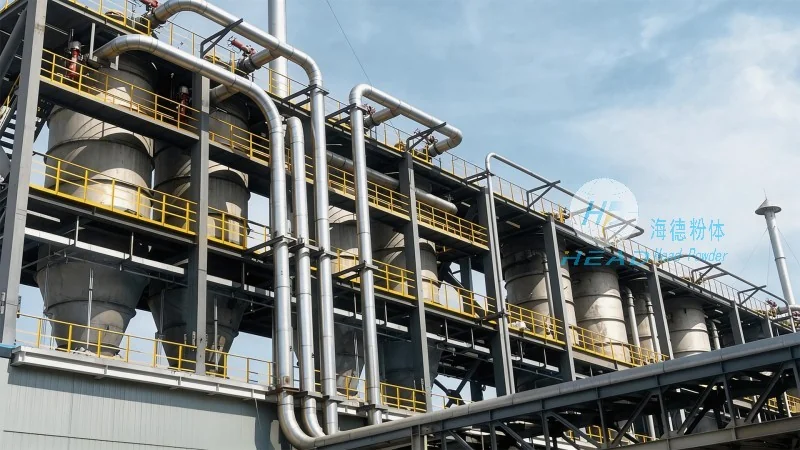
Shandong HeadPowder Engineering Co., Ltd., a leading manufacturer based in Shandong, China, specializes in the design, development, and production of advanced material handling solutions. With a strong focus on innovation and customer-centric engineering, the company has established itself as a trusted provider of broken bag pneumatic conveyors and related equipment. HeadPowder's commitment to quality and performance has made their systems widely adopted in various industrial applications.
The broken bag pneumatic conveyor typically consists of several key components that work in tandem to process the material. The main structure includes an inlet hopper for receiving the broken bags, a bag-breaking mechanism, a separation system, a pneumatic transport pipeline, and an outlet for the processed material. Each component plays a critical role in ensuring the efficient and safe operation of the system.
The operation of a broken bag pneumatic conveyor begins with the introduction of the broken bags into the inlet hopper. The bag-breaking mechanism then disintegrates the packaging, allowing the bulk material to fall into the separation chamber. The separation system uses air flow and mechanical action to separate the material from any remaining bag fragments. The separated material is then transported through the pneumatic pipeline using a combination of positive or negative pressure, depending on the system design. Finally, the material is discharged at the outlet, ready for further processing or storage.
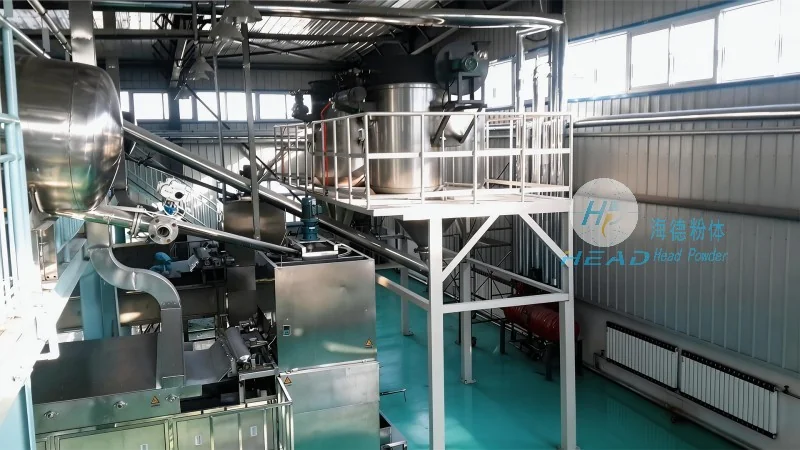
1. Inlet Hopper: The inlet hopper serves as the entry point for the broken bags. It is designed to accommodate various bag sizes and orientations, ensuring a consistent flow of material into the system. The hopper is typically equipped with a feeding mechanism, such as a conveyor or a rotary valve, to control the rate of material introduction.
2. Bag-Breaking Mechanism: This component is responsible for disintegrating the damaged packaging. Common methods include mechanical shredding, impact crushing, or a combination of both. The mechanism is designed to break the bags into small fragments while preserving the integrity of the bulk material inside.
3. Separation System: The separation system is crucial for removing any residual bag fragments from the material. It typically consists of a series of screens, filters, or air classifiers that use air flow to separate the material from the debris. The system ensures that only the desired product is transported to the next stage.
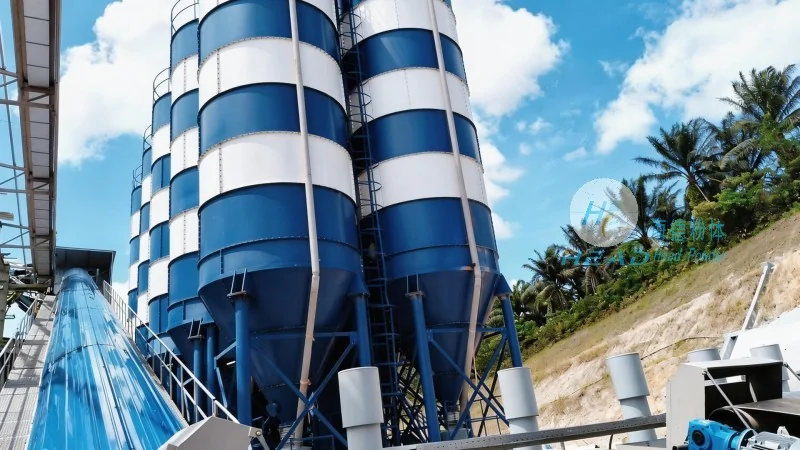
4. Pneumatic Transport Pipeline: The pipeline is the core of the pneumatic conveying system. It can be either positive pressure (where air is blown into the pipeline to push the material) or negative pressure (where air is drawn out to pull the material). The choice of pressure type depends on the material characteristics, distance to be conveyed, and system efficiency requirements.
5. Outlet and Control System: The outlet is where the processed material is discharged. It is usually equipped with a control valve or a rotary valve to regulate the flow rate and prevent backflow. The control system monitors the pressure, flow rate, and other parameters to ensure optimal operation and safety.
Broken bag pneumatic conveyors offer several advantages over traditional handling methods. Firstly, they significantly reduce material loss by recovering the contents of broken bags. This leads to cost savings and improved efficiency in material handling operations. Secondly, the systems are highly automated, reducing the need for manual intervention and minimizing labor costs. Thirdly, the pneumatic conveying process is gentle on the material, preserving its quality and preventing degradation. Additionally, these systems are compact and can be integrated into existing production lines, making them a versatile solution for various industrial needs.
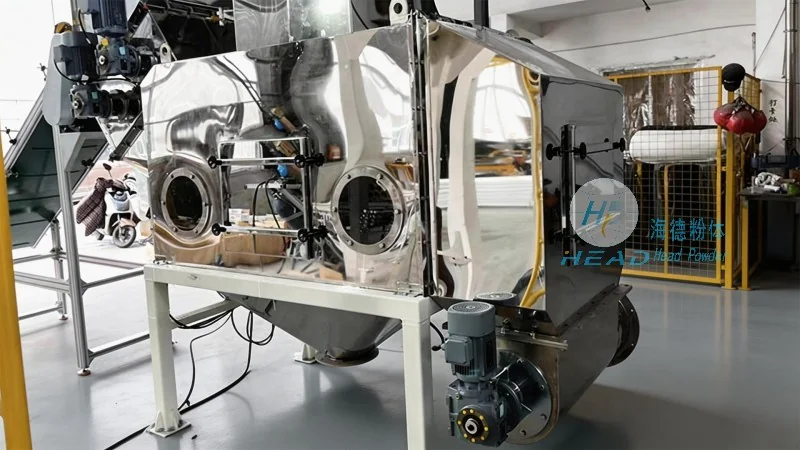
Broken bag pneumatic conveyors are widely used in a range of industries where packaging integrity is a concern. In the food industry, they are used to process broken bags of grains, cereals, and other food products. In the pharmaceutical sector, they handle broken packaging of powders and tablets, ensuring that the active ingredients are recovered without contamination. The chemical industry also utilizes these systems for handling broken bags of chemicals and raw materials. Additionally, in the agricultural sector, they are used to process broken bags of fertilizers and seeds. The versatility of broken bag pneumatic conveyors makes them an essential tool in modern material handling.
To ensure the longevity and efficiency of broken bag pneumatic conveyors, regular maintenance is essential. The bag-breaking mechanism and separation system should be inspected and cleaned regularly to prevent clogging and ensure optimal performance. The pneumatic pipeline should be checked for leaks and wear, as these can affect the system's efficiency and safety. Additionally, the control system should be calibrated periodically to maintain accurate pressure and flow readings. Proper training of operators is also crucial to ensure safe and effective operation of the system.
Broken bag pneumatic conveyors are a vital component in modern material handling, providing an efficient and effective solution for processing materials from damaged packaging. With their advanced structure and working principles, these systems offer significant advantages over traditional methods, including reduced material loss, increased efficiency, and improved product quality. As a leading manufacturer, Shandong HeadPowder Engineering Co., Ltd. continues to innovate and improve its broken bag pneumatic conveyor technology, meeting the evolving needs of various industries. By investing in such equipment, businesses can enhance their operational efficiency, reduce costs, and maintain a competitive edge in their respective markets.

 Shandong Headpowder Engineering Co., Ltd.
 156-6277-7102(Manager Zhang)
  0531-83386006
  Zhangqiu District, Jinan City, Shandong Province, China
telephone
WeChatconsult
top