With more than 10‑year industry experience, Shandong Headpowder delivers full‑service pneumatic‑conveying systems and blowers, undertaking nationwide turn‑key powder‑handling projects.
As a specialized equipment for handling ash slag, the ash slag pneumatic conveying system is widely used in thermal power plants and other industrial facilities. This system is designed to transport ash and slag from the source to the designated disposal or processing location through the use of air pressure. The system typically consists of several key components, including a feeding device, a conveying pipeline, a separation device, and a dust collection system. Each component plays a crucial role in ensuring the efficient and reliable operation of the entire system. The feeding device, such as a hopper or feeder, introduces the ash slag into the system, ensuring a consistent flow of material. The conveying pipeline, made of durable materials like stainless steel or high-quality plastic, transports the ash slag mixed with air. The separation device at the end of the pipeline separates the ash slag from the air, allowing the material to be collected and the air to be cleaned. The dust collection system removes particulate matter from the air, ensuring compliance with environmental regulations and maintaining a safe working environment.
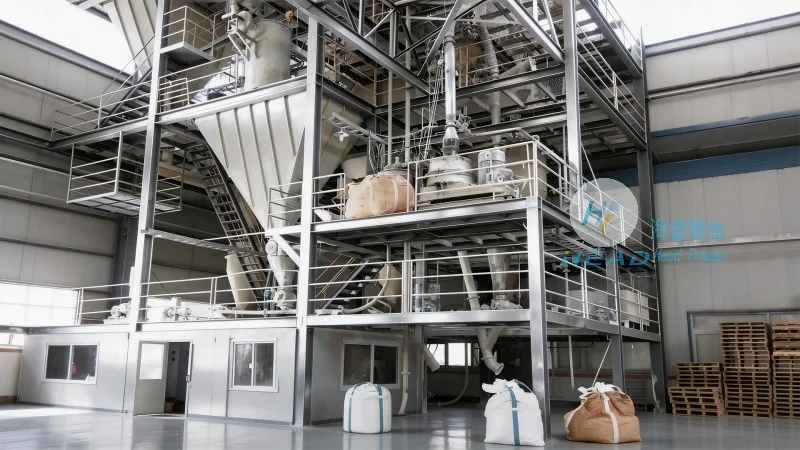
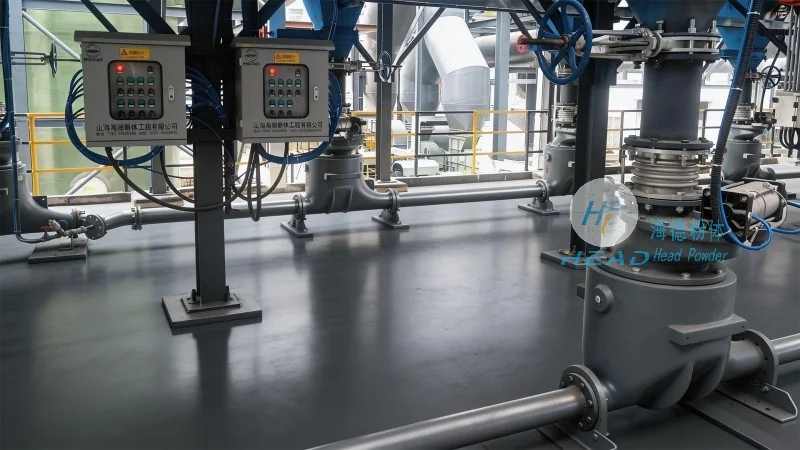
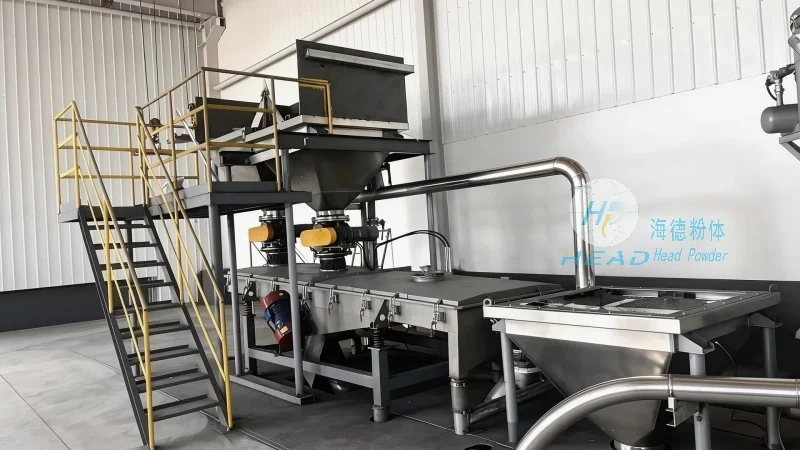
The working principle of the ash slag pneumatic conveying system is based on the principle of pneumatic transport, which utilizes air flow to move solid materials. There are two main types of systems: positive pressure and negative pressure. In a positive pressure system, high-pressure air is supplied to the conveying pipeline, creating a positive pressure environment that pushes the ash slag through the pipeline. This type of system is suitable for short to medium distances and can handle larger particles, typically up to 50 mm in diameter. The air pressure is maintained at a level sufficient to overcome the resistance in the pipeline and the weight of the ash slag. In a negative pressure system, the conveying pipeline is maintained at a lower pressure than the ambient air, creating a vacuum that draws the ash slag into the pipeline. Negative pressure systems are commonly used for longer distances, typically up to several kilometers, and are more effective at controlling dust emissions. The ash slag is typically fed into the system using a hopper or feeder, which ensures a consistent flow of material. The material is then introduced into the conveying pipeline, where it is mixed with high-velocity air. The air flow creates a negative pressure or positive pressure environment, depending on the system design, to move the ash slag along the pipeline. The separation device at the end of the pipeline separates the ash slag from the air, and the collected ash slag is discharged into a storage container or further processed. The air, now containing dust, is then passed through a dust collection system to remove particulate matter before being released or recirculated. This process ensures that the ash slag is transported efficiently and safely, with minimal environmental impact.

 Shandong Headpowder Engineering Co., Ltd.
 156-6277-7102(Manager Zhang)
  0531-83386006
  Zhangqiu District, Jinan City, Shandong Province, China
telephone
WeChatconsult
top