

What is an Inert Gas Circulating Material Pneumatic Conveying Machine? What are its Design Principle
This article provides an overview of inert gas circulating material pneumatic conveying machines, focusing on their design principles and operational characteristics. The primary goal is to explain how these systems function and the technical aspects that make them suitable for various industrial applications.
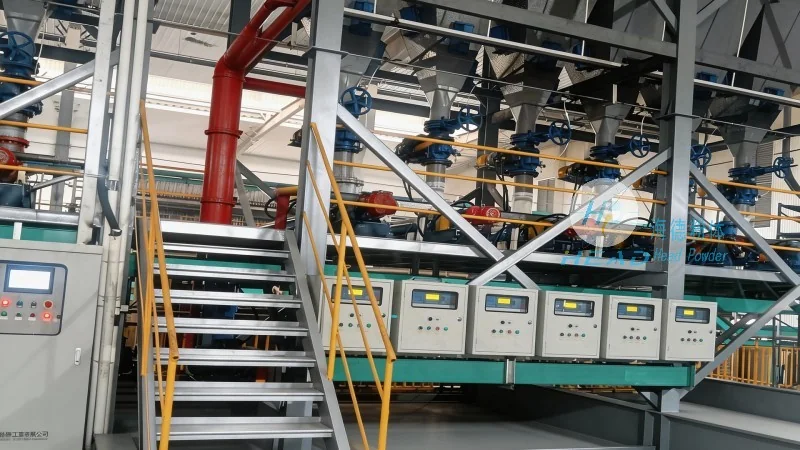
About HeadPowder
HeadPowder, formally known as Shandong HeadPowder Engineering Co., Ltd., is a leading manufacturer specializing in advanced material handling solutions. With a strong presence in China, particularly in Shandong province, the company has established itself as a trusted provider of high-quality pneumatic conveying equipment. HeadPowder's commitment to innovation and precision engineering ensures that their products meet the demanding requirements of modern industrial processes.
Understanding Inert Gas Circulating Material Pneumatic Conveying Machines
Inert gas circulating material pneumatic conveying machines are sophisticated systems designed to transport bulk materials through a closed loop using inert gases as the conveying medium. Unlike traditional pneumatic conveying systems that rely on air, these machines utilize inert gases such as nitrogen or carbon dioxide to create a safe and controlled environment for material transport. This approach is particularly advantageous in industries where oxidation, combustion, or contamination of the conveyed material is a concern.
Key Design Principles
The design of inert gas circulating material pneumatic conveying machines is centered on several critical principles that ensure efficient and reliable operation. One of the fundamental aspects is the closed-loop system, which maintains a constant pressure and temperature within the conveying line. This closed-loop design minimizes material loss and prevents the ingress of external contaminants, thereby preserving the integrity of the conveyed material.
Another key design principle is the use of positive displacement pumps or rotary lobe blowers to generate the necessary pressure for material transport. These components are engineered to handle the specific characteristics of the material, such as particle size, density, and moisture content. The selection of appropriate pump or blower type is crucial for achieving optimal conveying performance and minimizing energy consumption.
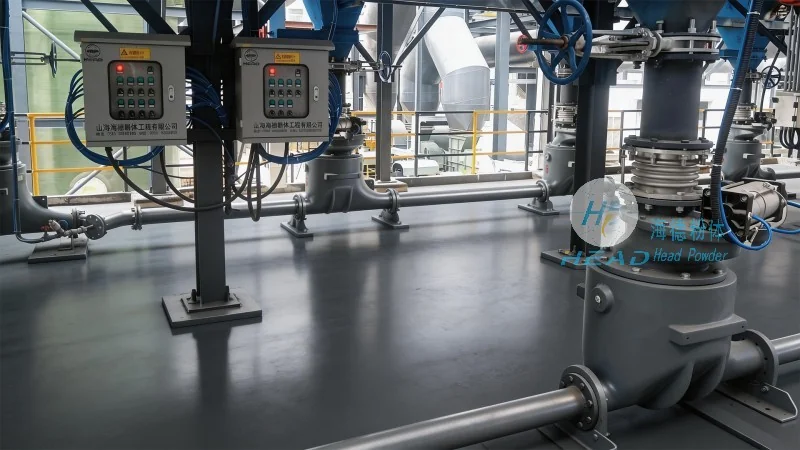
Furthermore, the system incorporates advanced control mechanisms that monitor and regulate the flow rate, pressure, and temperature of the conveying process. These controls ensure that the system operates within safe and efficient parameters, preventing overloading or underperformance. The integration of sensors and feedback loops allows for real-time adjustments, enhancing the overall reliability and stability of the machine.
Operational Benefits
The implementation of inert gas circulating material pneumatic conveying machines offers several significant benefits to industrial operations. Firstly, the use of inert gases provides a safe working environment, reducing the risk of fire or explosion in applications involving flammable or explosive materials. This is particularly important in industries such as pharmaceuticals, food processing, and chemical manufacturing, where material safety is paramount.
Secondly, the closed-loop system enhances material quality by preventing contamination and degradation. The inert gas atmosphere maintains the material's original properties, ensuring that it remains in its desired state throughout the conveying process. This is critical for products that require strict quality control, such as powders used in pharmaceuticals or high-value food ingredients.
Thirdly, these systems offer high efficiency and energy savings. By maintaining a consistent pressure and temperature, the machines minimize energy waste and reduce operational costs. The closed-loop design also reduces the need for frequent maintenance, as there is less exposure to external elements and contaminants.
Applications and Industries
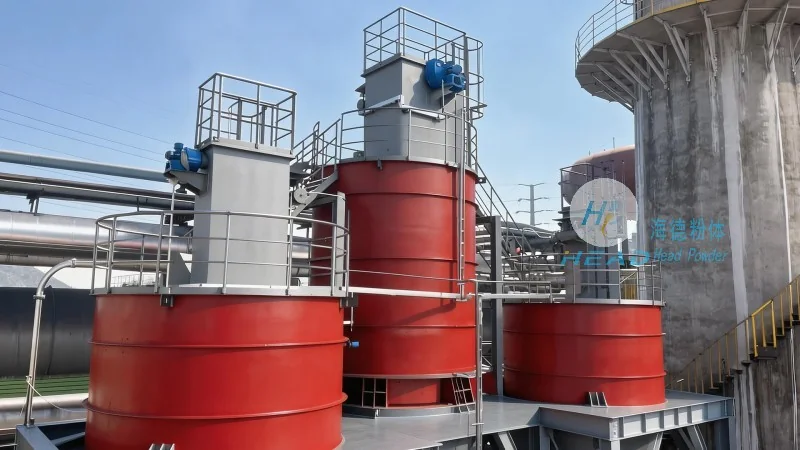
Inert gas circulating material pneumatic conveying machines are widely used across various industries due to their versatility and adaptability. In the pharmaceutical industry, they are employed to transport sensitive powders and granules, ensuring that the materials remain sterile and free from contamination. In the food processing sector, these machines are used to handle ingredients like flour, sugar, and spices, maintaining the product's quality and safety standards.
In the chemical industry, the systems are utilized for conveying reactive or hazardous materials, providing a secure and controlled method of material transport. The ability to use inert gases also makes them suitable for applications involving materials that are sensitive to oxygen or moisture, such as in the production of pharmaceuticals or specialty chemicals.
Additionally, these machines are used in the manufacturing of cosmetics, where the quality and purity of ingredients are critical. The inert gas environment helps preserve the color, fragrance, and texture of the products, ensuring that the final output meets the highest standards.
Conclusion
In summary, inert gas circulating material pneumatic conveying machines are advanced industrial solutions that combine safety, efficiency, and precision in material handling. The design principles, including closed-loop systems, inert gas usage, and advanced controls, make these machines ideal for a wide range of applications. HeadPowder, as a leading manufacturer, continues to innovate and provide high-quality equipment that meets the evolving needs of modern industries. By leveraging these systems, businesses can enhance operational safety, improve material quality, and reduce overall costs, making inert gas circulating material pneumatic conveying machines a valuable investment for any industrial operation.