

What is a Molybdenum Trioxide Material Pneumatic Conveying Equipment? And What Are Its Design Princi
For industries dealing with molybdenum trioxide (MoO₃) and other fine powders, the selection of an efficient and reliable material handling system is crucial. Pneumatic conveying equipment has emerged as a preferred solution for transporting such materials due to its ability to handle delicate powders with minimal product degradation. This article explores the concept of a molybdenum trioxide material pneumatic conveying equipment, detailing its design principles and the technical aspects that make it suitable for handling this specific material.
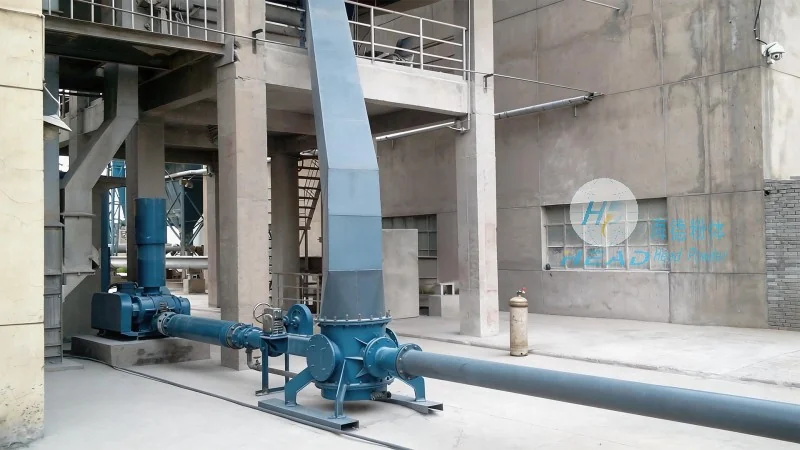
Introduction to Molybdenum Trioxide Pneumatic Conveying Equipment
Molybdenum trioxide, with the chemical formula MoO₃, is a high-value chemical widely used in the production of molybdenum compounds, catalysts, and various industrial applications. Handling MoO₃ in its powdered form requires specialized equipment to ensure safety, efficiency, and product integrity. Pneumatic conveying systems, which use air or other gases to transport materials, offer a non-contact method that minimizes contamination and particle breakage. The equipment designed for MoO₃ typically incorporates features tailored to the material's properties, such as its density, flowability, and potential for static charge accumulation.
About Shandong HeadPowder Engineering Co., Ltd.
HeadPowder, a leading manufacturer in the field of powder processing equipment, specializes in developing customized pneumatic conveying solutions. With a strong presence in China, particularly in Shandong province, the company has built a reputation for delivering high-quality, durable, and efficient equipment tailored to the needs of various industries. The company's expertise lies in understanding the unique challenges of handling fine powders like molybdenum trioxide and designing systems that address these challenges effectively.
Design Principles of Molybdenum Trioxide Pneumatic Conveying Equipment
The design of a molybdenum trioxide material pneumatic conveying system is based on several key principles that ensure optimal performance and safety. The first principle is the selection of appropriate air velocity and pressure to achieve efficient material transport without causing excessive particle attrition. For MoO₃, which is a fine powder with a relatively high density, the system must be designed to maintain a consistent air flow rate that prevents clogging and ensures smooth material movement. The second principle involves the use of appropriate equipment components, such as feeders, ducts, and separation units, that are constructed from materials resistant to corrosion and chemical attack, as MoO₃ can be reactive under certain conditions.
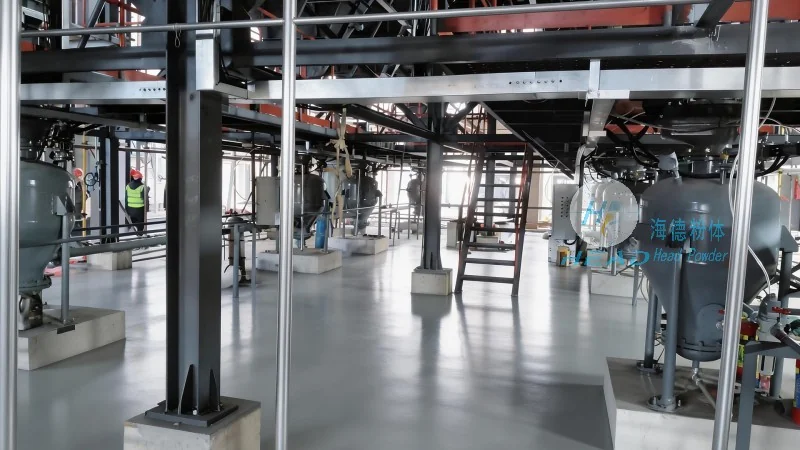
Another critical design principle is the management of static electricity, which is common in fine powder handling. The equipment must incorporate grounding and anti-static measures to prevent sparks that could lead to explosions or fires. This is particularly important for MoO₃, which is a combustible material under certain conditions. Additionally, the system must be designed for easy maintenance and cleaning to prevent material buildup and contamination. The design also considers the need for dust collection and filtration to ensure compliance with environmental regulations and to protect the health of operators.
Key Components and Their Functions
A typical molybdenum trioxide pneumatic conveying system consists of several key components, each playing a vital role in the overall operation. The primary components include the material feeder, which ensures a consistent flow of MoO₃ into the system; the conveying ducts, which transport the material using air pressure; the separation unit, which separates the material from the air at the end of the line; and the dust collection system, which captures any fine particles to prevent environmental contamination.
The material feeder is often a rotary valve or a screw feeder, designed to handle fine powders without causing blockages. It ensures that the material is fed at a controlled rate, preventing overloading of the conveying system. The conveying ducts are made of materials such as stainless steel or plastic, which are resistant to corrosion and can handle the abrasive nature of MoO₃ particles. The air pressure used in the system is typically between 0.5 to 2 bar, depending on the distance and the amount of material being transported. The separation unit, often a cyclone or a bag filter, separates the MoO₃ from the air, allowing the air to be recirculated or discharged safely.
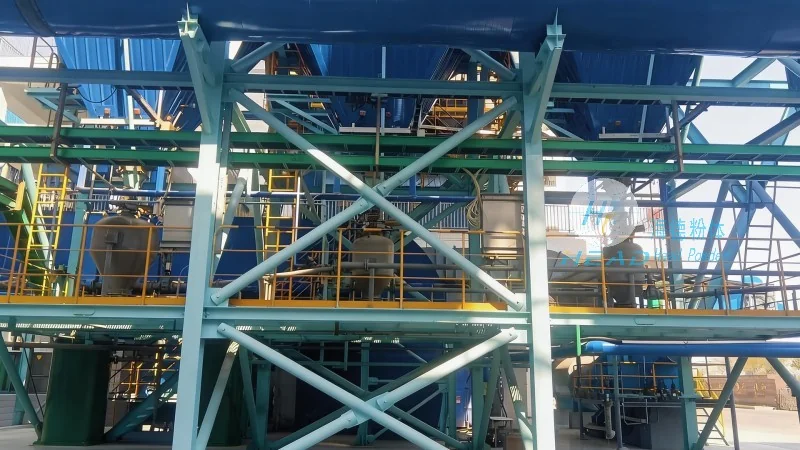
Advantages of Using Pneumatic Conveying for Molybdenum Trioxide
Compared to traditional methods like belt conveyors or bucket elevators, pneumatic conveying offers several advantages when handling molybdenum trioxide. The most significant advantage is the non-contact nature of the system, which prevents contamination and product degradation. This is crucial for high-value materials like MoO₃, where even minor impurities can affect the final product quality. Another advantage is the ability to transport materials over long distances without the need for multiple transfer points, reducing the risk of material loss and contamination. The system also allows for easy integration with other processing equipment, such as reactors or mixers, enabling a seamless flow of materials in the production process.
Furthermore, pneumatic conveying systems are more flexible and adaptable to changes in production volume. They can be easily scaled up or down to meet varying demand, making them suitable for both small-scale and large-scale operations. The equipment is also relatively compact, requiring less floor space compared to traditional bulk handling systems. This makes it ideal for facilities with limited space or where space optimization is a priority.
Conclusion
Molybdenum trioxide material pneumatic conveying equipment is a sophisticated solution for handling this valuable chemical efficiently and safely. The design principles, which focus on material properties, safety, and operational efficiency, ensure that the system performs optimally while maintaining product integrity. Companies like Shandong HeadPowder Engineering Co., Ltd. play a vital role in developing and manufacturing such equipment, providing customized solutions tailored to the specific needs of industries dealing with MoO₃ and other fine powders. By understanding the design principles and key components of these systems, manufacturers can make informed decisions to enhance their material handling processes and improve overall productivity.