

What is an Aluminum Hydride Powder Material Pneumatic Conveying Equipment? And What Are Its Design P
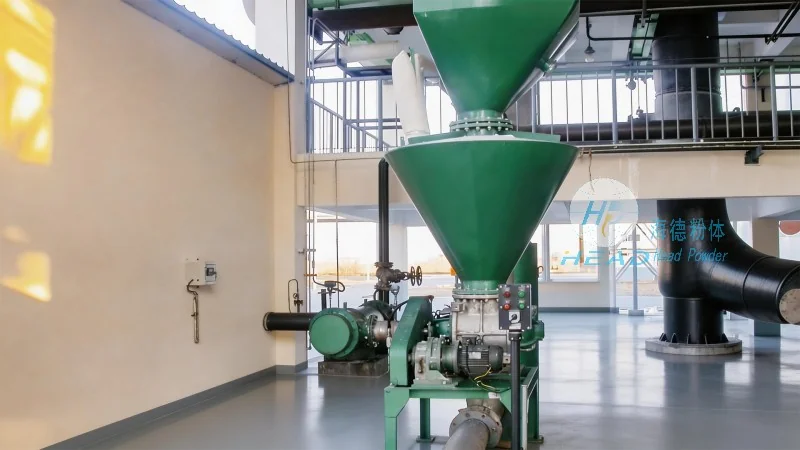
Aluminum hydride powder is a highly reactive and potentially hazardous material, making the selection of appropriate handling equipment crucial for industrial applications. Pneumatic conveying systems have emerged as a preferred method for transporting such powders due to their ability to handle fine, abrasive, or toxic materials efficiently and safely. This article explores the concept of aluminum hydride powder material pneumatic conveying equipment, detailing its design principles and the considerations that ensure effective and secure operation.
Introduction to Aluminum Hydride Powder and Pneumatic Conveying
Aluminum hydride (AlH₃) is a chemical compound used in various industrial processes, including hydrogen generation and as a reducing agent. Its fine powder form poses challenges during handling due to its reactivity with moisture and air, which can lead to exothermic reactions and potential fire hazards. Traditional bulk material handling methods, such as belt conveyors or screw conveyors, may not be suitable for aluminum hydride powder because they can cause material degradation, contamination, or unsafe conditions. Pneumatic conveying, which uses air or gas to transport powders through a pipeline, offers a solution by minimizing direct contact with the material and controlling the environment.
HeadPowder Engineering: A Leading Provider of Pneumatic Conveying Solutions
Shandong HeadPowder Engineering Co., Ltd., commonly known as HeadPowder, is a specialized manufacturer and supplier of pneumatic conveying equipment tailored for handling sensitive and hazardous powders. With operations based in Shandong, China, HeadPowder combines advanced engineering expertise with industry experience to deliver customized solutions that meet the stringent requirements of aluminum hydride powder processing. The company focuses on safety, efficiency, and durability, ensuring that its equipment can handle the unique properties of aluminum hydride while maintaining compliance with regulatory standards.
Key Components of Aluminum Hydride Powder Pneumatic Conveying Systems
A typical pneumatic conveying system for aluminum hydride powder consists of several key components, each designed to optimize material transport while mitigating risks. These components include:
1. Feeder: The feeder is responsible for accurately metering the aluminum hydride powder into the conveying line. For aluminum hydride, which is prone to bridging or caking, a rotary valve or a vibratory feeder is often used to ensure consistent flow and prevent blockages. The feeder must be constructed from materials resistant to corrosion and chemical reactions, such as stainless steel or specialized alloys.
2. Pneumatic Conveying Pipe: The pipeline is the primary pathway for transporting the powder. It is typically made of stainless steel or other corrosion-resistant materials to withstand the acidic or reactive nature of aluminum hydride. The pipe diameter and length are carefully selected based on the material's flow characteristics and the required conveying velocity. For aluminum hydride, which is lightweight and fine, higher conveying velocities may be necessary to prevent dust accumulation and ensure complete transport.
3. Compressor or Blower: The air or gas source provides the necessary pressure to move the powder through the pipeline. For aluminum hydride, which is lightweight and fine, a high-pressure blower or a positive displacement compressor is commonly used. The equipment must be capable of delivering sufficient airflow while maintaining low noise levels and energy efficiency. Additionally, the compressor must be equipped with filtration systems to remove contaminants that could damage the equipment or contaminate the powder.
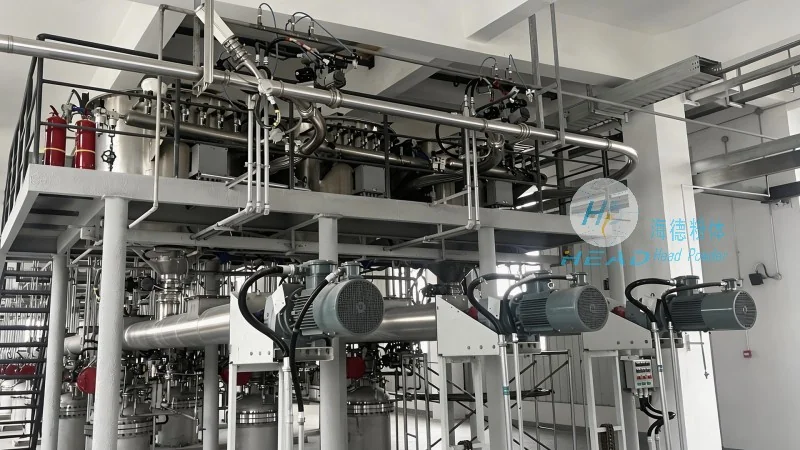
4. Separation and Collection System: At the receiving end, the system includes a separator to separate the powder from the air stream. This is typically achieved through a cyclone or a baghouse filter. The separator must be designed to handle the fine particles of aluminum hydride without causing clogging or loss of material. The collected powder is then transferred to a storage or processing unit, ensuring a clean and controlled environment.
Design Principles for Safe and Efficient Aluminum Hydride Powder Handling
The design of aluminum hydride powder pneumatic conveying equipment follows several critical principles to ensure safety, efficiency, and reliability. These principles are centered around minimizing exposure to moisture and air, controlling temperature, and preventing material degradation. Key design considerations include:
1. Airtight and Moisture-Resistant Construction: All components of the system, from the feeder to the pipeline and separator, must be airtight to prevent the ingress of moisture or oxygen. Aluminum hydride reacts violently with water, producing hydrogen gas and heat. Therefore, the equipment is typically constructed from materials that are resistant to corrosion and can withstand the chemical environment. Sealing mechanisms, such as O-rings and gaskets, are used to ensure no air leaks that could introduce moisture.
2. Temperature Control: Aluminum hydride can generate heat during handling, especially when it is agitated or compressed. The design of the system includes temperature monitoring and control features to prevent overheating. The pipeline and equipment are often insulated to maintain a stable temperature, reducing the risk of exothermic reactions that could lead to fire or explosion.
3. Material Flow Optimization: The conveying velocity and pressure are carefully optimized to ensure that the aluminum hydride powder flows smoothly without clogging or settling. The design considers the particle size distribution, density, and flowability of the powder. For aluminum hydride, which has a low bulk density and high reactivity, higher conveying velocities (typically 20-30 m/s) are used to maintain a dilute phase flow, where the powder is suspended in the air stream rather than forming a dense phase. This dilute phase reduces the risk of blockages and ensures complete transport.
4. Safety Interlocks and Monitoring: The system incorporates safety features such as pressure relief valves, emergency shut-off mechanisms, and real-time monitoring of temperature, pressure, and flow rates. These features allow operators to detect and respond to potential hazards promptly. For example, if the temperature exceeds a safe threshold or the pressure in the system rises abnormally, the system can automatically shut down to prevent accidents.
Advantages of Using Pneumatic Conveying for Aluminum Hydride Powder
Compared to traditional handling methods, pneumatic conveying offers several advantages when dealing with aluminum hydride powder. These benefits include:
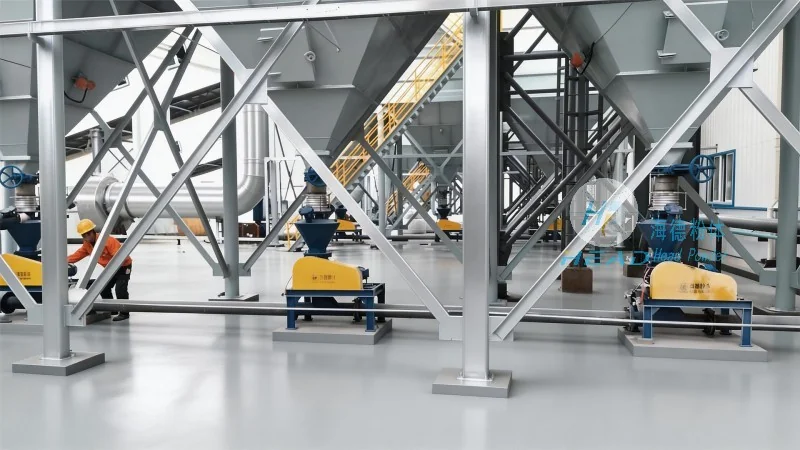
1. Enhanced Safety: By minimizing direct contact with the material and controlling the environment, pneumatic conveying reduces the risk of fire, explosion, or chemical reactions. The enclosed system prevents dust dispersion, which is a significant hazard for aluminum hydride due to its fine particle size.
2. Improved Efficiency: Pneumatic systems can transport aluminum hydride powder over long distances with minimal loss, ensuring consistent material flow. The design allows for continuous operation, reducing downtime and increasing productivity.
3. Reduced Contamination: The enclosed pipeline and filtration systems prevent contamination from external sources, maintaining the purity of the aluminum hydride powder. This is critical for applications where the powder is used in sensitive processes, such as hydrogen generation or chemical synthesis.
4. Flexibility and Scalability: Pneumatic conveying systems can be easily scaled to accommodate varying production volumes. They can also be integrated with other processing equipment, such as reactors or storage tanks, to create a seamless material handling workflow.
Conclusion: The Role of HeadPowder in Aluminum Hydride Powder Handling
Aluminum hydride powder material pneumatic conveying equipment is a critical component in the safe and efficient processing of this reactive material. The design principles, as outlined above, focus on safety, efficiency, and durability, ensuring that the equipment can handle the unique challenges posed by aluminum hydride. Shandong HeadPowder Engineering Co., Ltd. plays a vital role in providing these specialized solutions, leveraging its expertise to deliver customized pneumatic conveying systems that meet the needs of industrial clients. By adhering to rigorous design standards and incorporating advanced features, HeadPowder ensures that its equipment not only transports aluminum hydride powder effectively but also protects operators and the environment from potential hazards.