

What is a Cement Material Pneumatic Conveying Equipment? And What Are Its Design Principles?
Cement material pneumatic conveying equipment is a specialized system designed to transport bulk cement and related powders through an air stream. This technology offers an efficient and reliable method for moving cement from storage silos to processing units or other locations within a production facility. The equipment is widely used in the cement industry due to its ability to handle fine powders without the need for mechanical components that might cause wear or contamination. As a key component in cement processing, understanding the design principles behind these systems is crucial for optimizing performance and ensuring long-term operational efficiency.

Key Components of Pneumatic Conveying Systems
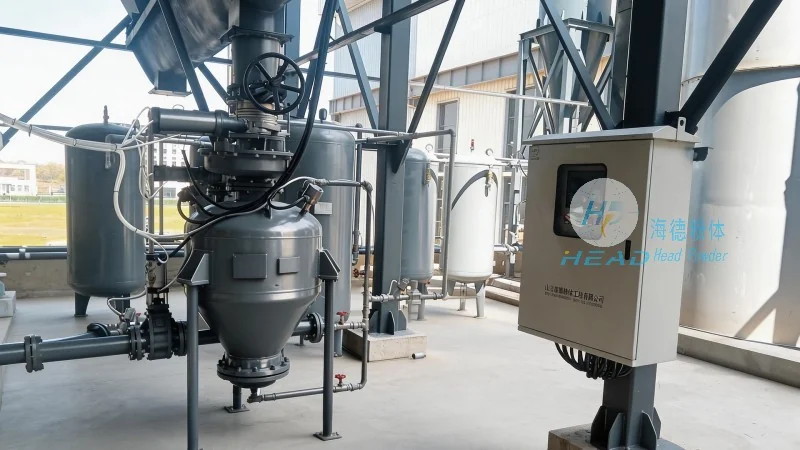
The core components of a cement material pneumatic conveying system typically include a hopper for material storage, a feeder to control the flow rate, a conveying line (often with bends and straight sections), a dust collector to capture particles, and a fan or blower to generate the air flow. The hopper is designed to maintain a consistent material level, preventing blockages and ensuring smooth feeding. The feeder, such as a rotary valve or screw feeder, regulates the amount of cement discharged into the conveying line. The conveying line is usually made of stainless steel or other corrosion-resistant materials to handle the abrasive nature of cement particles. The dust collector, equipped with filters, captures any airborne particles, improving air quality and preventing dust accumulation in the system. The fan or blower provides the necessary pressure and airflow to move the cement through the system, with options including positive pressure (where air pushes the material) or negative pressure (where air pulls the material).
Design Principles for Efficient Cement Conveying
The design of cement material pneumatic conveying equipment is guided by several key principles to ensure optimal performance. First, the system must maintain a consistent air-to-material ratio, which is critical for preventing material deposition or blockages in the conveying line. This ratio is determined by the specific characteristics of the cement, such as its particle size, density, and moisture content. Second, the equipment must be designed to handle the abrasive nature of cement particles, which can cause wear on components like the hopper, feeder, and conveying line. Materials such as stainless steel or special alloys are often used for components that come into direct contact with the material to extend their lifespan. Third, the system should incorporate features to minimize dust generation and improve air quality. This includes using sealed hoppers and feeders, as well as efficient dust collectors. Fourth, the design must consider the overall system layout to minimize pressure losses and energy consumption. Proper sizing of the fan or blower, along with the use of smooth bends and straight sections in the conveying line, helps maintain adequate airflow while reducing energy costs.
Applications and Benefits in Cement Production
Cement material pneumatic conveying equipment is widely used in various stages of cement production, from raw material handling to finished product distribution. In raw material processing, these systems transport limestone, clay, and other raw materials to the grinding mills. In the finished product stage, they move cement from storage silos to packaging or loading areas. The benefits of using pneumatic conveying for cement include improved safety by reducing manual handling of powders, increased efficiency by eliminating the need for mechanical conveyors, and reduced maintenance costs due to fewer moving parts. Additionally, the system can handle varying material flow rates, making it adaptable to different production demands. The ability to convey cement over long distances without the need for intermediate storage or transfer points also enhances operational flexibility.
Company Overview: Shandong HeadPowder Engineering Co., Ltd.
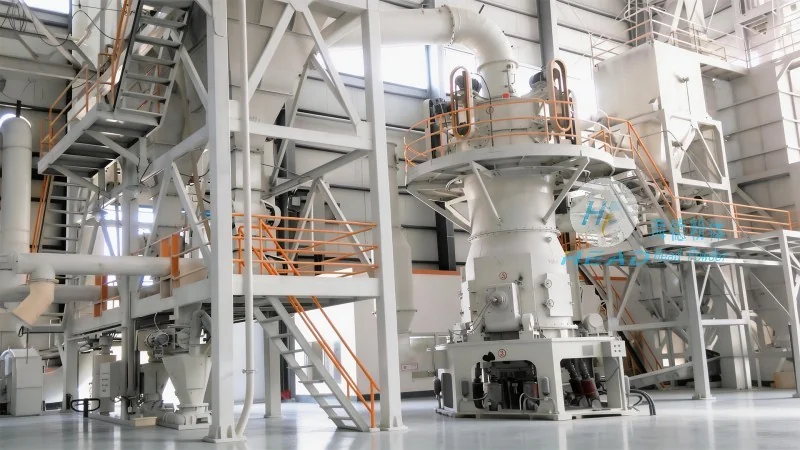
Shandong HeadPowder Engineering Co., Ltd., commonly known as HeadPowder, is a leading manufacturer of cement material pneumatic conveying equipment. With a strong focus on innovation and quality, the company has established itself as a trusted partner in the cement industry. HeadPowder specializes in designing and manufacturing customized pneumatic conveying systems tailored to the specific needs of cement plants. The company's products are known for their durability, efficiency, and compliance with industry standards. HeadPowder's team of engineers and technicians work closely with clients to understand their operational requirements and provide solutions that enhance productivity and reduce costs. The company's facilities in Shandong, China, are equipped with advanced manufacturing equipment and quality control systems to ensure that each product meets the highest standards. HeadPowder's commitment to customer satisfaction and technical excellence has earned it a reputation as a reliable supplier in the global cement equipment market.