With more than 10‑year industry experience, Shandong Headpowder delivers full‑service pneumatic‑conveying systems and blowers, undertaking nationwide turn‑key powder‑handling projects.
For industrial operations involving the transport of bulk materials, especially in the context of dust tank trucks, the technology of material pneumatic conveying has become increasingly vital. This method involves the use of air or gas to transport solid particles through a pipeline system, offering advantages such as flexibility, efficiency, and the ability to handle materials that are difficult to transport via traditional methods. Understanding the design principles behind this system is crucial for optimizing performance and ensuring reliable operation. In this article, we delve into the fundamental aspects of material pneumatic conveying in dust tank trucks, exploring the key components, operational mechanisms, and design considerations that underpin this technology.
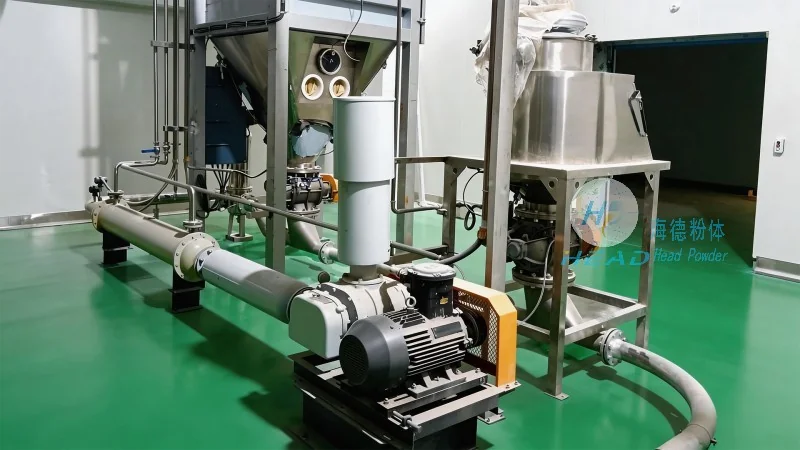
Material pneumatic conveying in dust tank trucks refers to the process of transporting bulk materials, such as powders or granules, from a source to a destination using a pressurized or vacuum system. This method is particularly suitable for materials that are prone to dust, require minimal handling, or need to be transported over relatively short to medium distances. The system typically consists of a dust tank truck equipped with a pneumatic conveying unit, which may include a hopper, a blower or vacuum pump, a pipeline network, and a receiving hopper or silo. The primary goal is to move material efficiently while maintaining control over dust emissions and system performance.
The design of a pneumatic conveying system for dust tank trucks involves several critical components, each playing a vital role in the overall operation. The main components include:
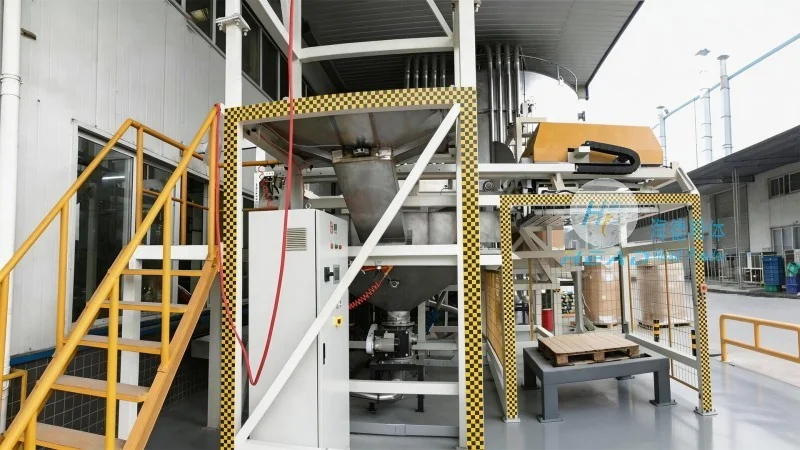
There are two main types of pneumatic conveying systems used in dust tank trucks: the pressure system and the vacuum system. Each type has distinct characteristics and is suitable for different applications.
Pressure Conveying System: In a pressure system, the material is fed into a pressurized pipeline using a blower. The air and material are mixed at the inlet and travel through the pipeline under positive pressure. This system is ideal for conveying materials over longer distances or when the material is sensitive to vacuum. The pressure system typically requires a higher air flow rate and can handle a wider range of materials, including those with high moisture content or abrasive properties.
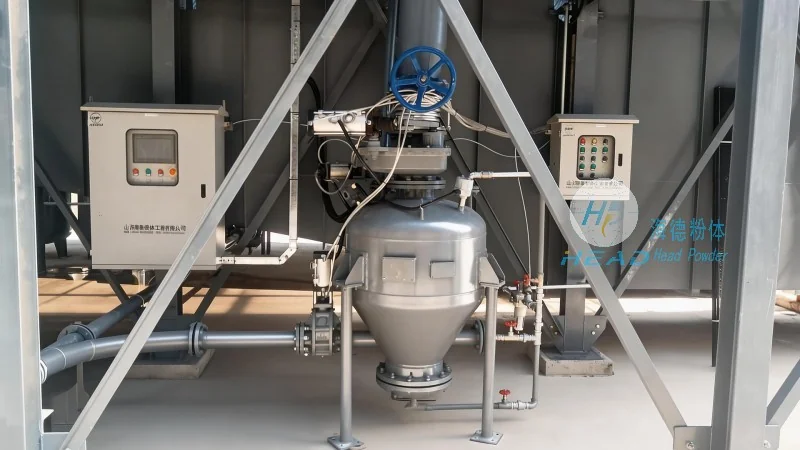
Vacuum Conveying System: In a vacuum system, a vacuum pump creates a negative pressure in the pipeline, drawing material from the source into the truck and through the pipeline. This system is often used for shorter conveying distances or when the material is to be collected from a remote location. The vacuum system is generally more energy-efficient for short distances but may not be suitable for materials that are prone to clogging or that require high pressure to move.
The design of a pneumatic conveying system for dust tank trucks must consider several factors to ensure optimal performance, efficiency, and reliability. Key design principles include:
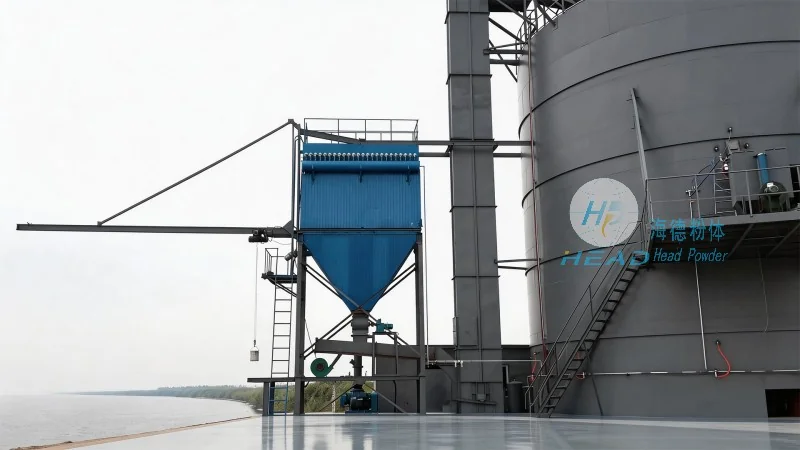
Pneumatic conveying systems in dust tank trucks are widely used in various industries, including construction, mining, and chemical processing. The benefits of this technology include:
Material pneumatic conveying in dust tank trucks is a sophisticated technology that combines engineering principles with practical application to achieve efficient bulk material transport. The design of such systems requires careful consideration of material characteristics, conveying distance, and operational efficiency. By understanding the key components, operational mechanisms, and design principles, industries can leverage this technology to enhance productivity, improve safety, and reduce operational costs. As a leading provider in this field, Shandong HeadPowder Engineering Co., Ltd., based in Shandong, China, specializes in the design, manufacturing, and implementation of pneumatic conveying systems tailored to the specific needs of dust tank truck operations. Their expertise ensures that clients receive reliable, efficient, and cost-effective solutions for their material handling requirements.

 Shandong Headpowder Engineering Co., Ltd.
 156-6277-7102(Manager Zhang)
  0531-83386006
  Zhangqiu District, Jinan City, Shandong Province, China
telephone
WeChatconsult
top