

What is a Wheat Bran Powder Pneumatic Conveying System? And What Are Its Design Principles?
Wheat bran, a byproduct of wheat processing, is widely used in the food and animal feed industries. Efficient and hygienic handling of this fine powder is crucial for maintaining product quality and operational efficiency. A pneumatic conveying system specifically designed for wheat bran powder offers a solution that minimizes dust, ensures product integrity, and enhances overall process control. This article explores what a wheat bran powder pneumatic conveying system is and delves into its core design principles.

HeadPowder, a leading engineering company based in Shandong, China, specializes in the design and manufacturing of advanced pneumatic conveying systems. With years of experience in the industry, HeadPowder has developed innovative solutions tailored to the unique challenges of handling fine powders like wheat bran. The company's commitment to quality, reliability, and customer satisfaction makes it a trusted partner for businesses seeking efficient material handling solutions.
How Pneumatic Conveying Systems Work
A pneumatic conveying system uses compressed air or gas to transport bulk materials through a pipeline. In the case of wheat bran powder, the system typically employs a positive displacement or pressure-assisted design to ensure reliable and consistent flow. The process begins with the material being fed into a hopper or feeder, where it is then drawn into the conveying line by the moving air stream. The air velocity and pressure are carefully controlled to maintain a stable flow, preventing material segregation and ensuring uniform distribution. This method eliminates the need for mechanical components like belts or screws, reducing maintenance and improving hygiene.
Key Design Principles for Wheat Bran Powder Pneumatic Conveying
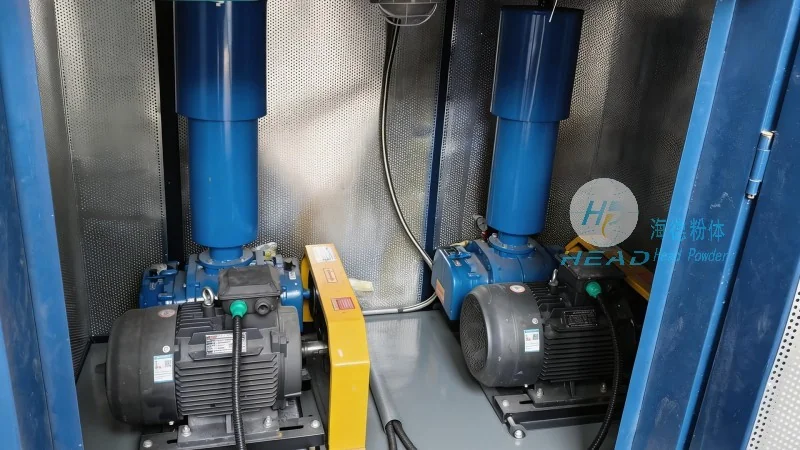
The design of a wheat bran powder pneumatic conveying system involves several critical principles to ensure optimal performance and longevity. First, the system must be constructed from materials that are compatible with the material being conveyed, such as food-grade stainless steel, to prevent contamination and ensure compliance with industry standards. Second, the air flow rate and pressure must be precisely matched to the properties of the wheat bran powder, including its particle size, density, and moisture content. This ensures that the material is transported efficiently without causing excessive wear on the system components. Third, the system incorporates features like pulse-jet cleaning and filter systems to maintain air quality and prevent dust accumulation, which is essential for maintaining a clean and safe working environment. Additionally, the design considers the need for flexibility and scalability, allowing the system to adapt to varying production volumes and future expansion needs.
Core Components of the Wheat Bran Powder Pneumatic Conveying System
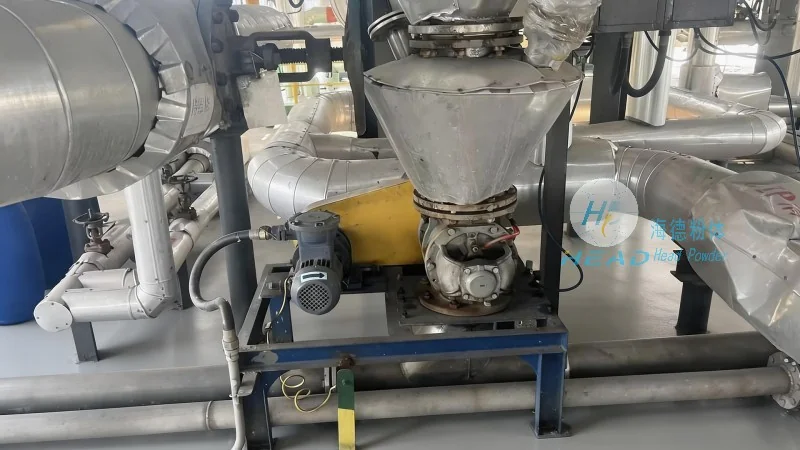
The pneumatic conveying system for wheat bran powder consists of several key components that work together to achieve efficient material transport. The primary components include a hopper or feeder, which stores and feeds the wheat bran powder into the system. A blower or compressor provides the necessary air pressure to move the material through the pipeline. The conveying line itself, typically made of stainless steel or other corrosion-resistant materials, ensures durability and hygiene. A filter system is installed to capture any fine particles and maintain air quality, while a pulse-jet cleaning mechanism prevents clogging and ensures continuous operation. Finally, a receiver or discharge hopper collects the material at the destination, completing the conveying process. Each component is carefully selected and designed to meet the specific requirements of wheat bran powder, ensuring reliable and efficient performance.
Applications and Benefits
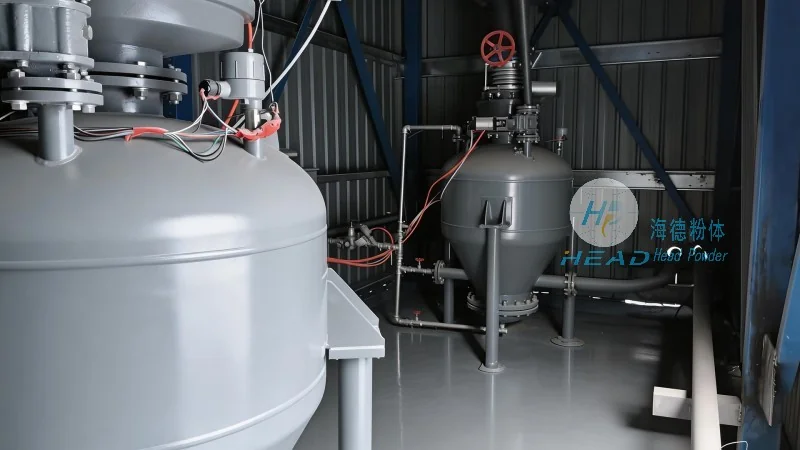
The wheat bran powder pneumatic conveying system is widely used in various industries, including food processing, animal feed manufacturing, and pharmaceuticals. Its primary benefits include improved product quality through reduced dust and contamination, enhanced operational efficiency by minimizing downtime and maintenance, and increased safety by eliminating manual handling of fine powders. The system also offers flexibility in terms of layout and integration with existing production lines, allowing for seamless incorporation into existing facilities. By using a pneumatic conveying system, businesses can achieve consistent material flow, reduce waste, and improve overall productivity.
Conclusion
A wheat bran powder pneumatic conveying system is a sophisticated and efficient solution for handling fine powders in various industrial applications. The design principles, including material compatibility, precise air control, and effective filtration, ensure that the system operates reliably and maintains product quality. HeadPowder, with its expertise and commitment to quality, provides tailored solutions that meet the specific needs of businesses in the food and feed industries. By investing in a well-designed pneumatic conveying system, companies can enhance their operational efficiency, improve product safety, and achieve long-term success in their respective markets.