

What is Sodium Carbonate Powder Pneumatic Conveying? And What Are Its Design Principles?
Understanding sodium carbonate powder pneumatic conveying and its design principles is crucial for industries that handle this chemical efficiently. This article delves into the core concepts, system components, and engineering considerations involved in transporting sodium carbonate powder using pneumatic methods.
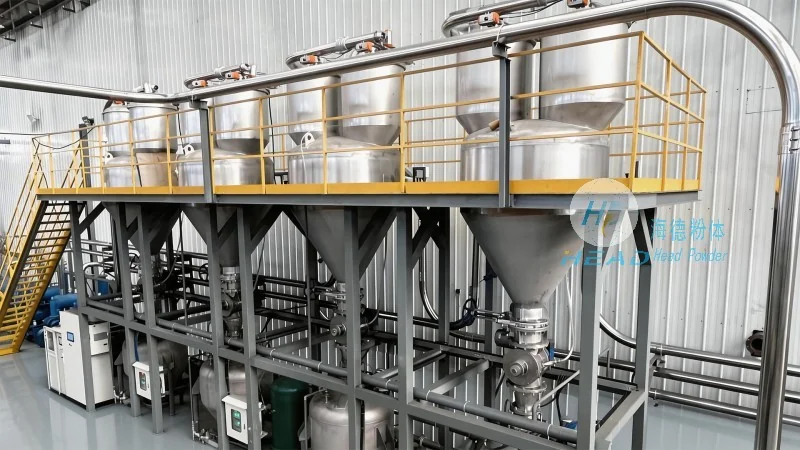
About HeadPowder: Your Partner in Pneumatic Conveying Solutions
HeadPowder, or Shandong HeadPowder Engineering Co., Ltd., is a leading provider of specialized pneumatic conveying systems tailored for industrial applications. With headquarters in Shandong, China, the company focuses on delivering reliable and efficient solutions for handling bulk materials like sodium carbonate. Their expertise lies in designing systems that optimize material flow, minimize downtime, and ensure compliance with industry standards.
What is Sodium Carbonate Powder Pneumatic Conveying?
Sodium carbonate powder pneumatic conveying refers to the process of transporting dry powder, such as sodium carbonate, through a pipeline using air or other gases. This method involves creating a flow of air that carries the powder particles from a source to a destination. Unlike mechanical conveying systems (e.g., screw conveyors or belt conveyors), pneumatic conveying relies on fluid dynamics to move the material, making it suitable for applications where dust control, flexibility, and long-distance transport are required.
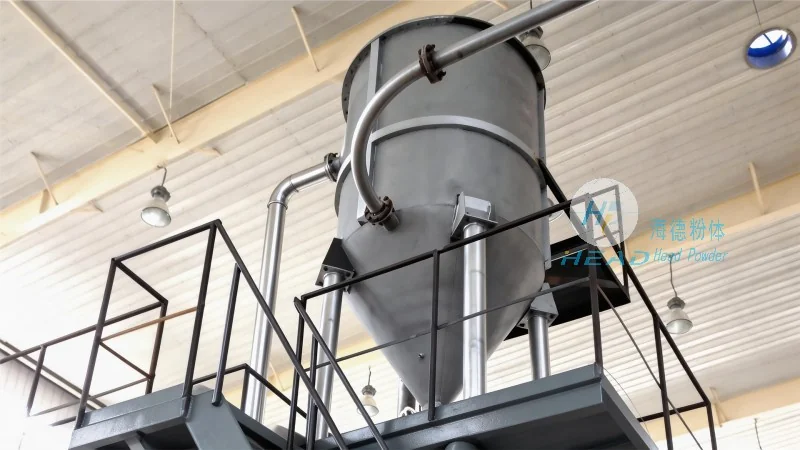
The Fundamental Principles of Pneumatic Conveying
The core of pneumatic conveying systems is the interaction between solid particles (sodium carbonate powder) and a gas stream (air). The process can be categorized into two main types: pressure and suction (or vacuum) systems. In pressure systems, a positive pressure is generated at the inlet of the conveying line, pushing the material through the pipeline. Suction systems, on the other hand, use a vacuum at the receiver to draw the material from the source. The choice between these systems depends on factors like the distance to be covered, the height of the vertical lift, and the required flow rate.
Design Principles and Key Components for Sodium Carbonate Powder Conveying Systems
Designing an effective sodium carbonate powder pneumatic conveying system requires careful consideration of several factors. These include the physical properties of the powder, such as particle size distribution, density, and moisture content, as well as the operational requirements of the application. The system typically consists of several key components:
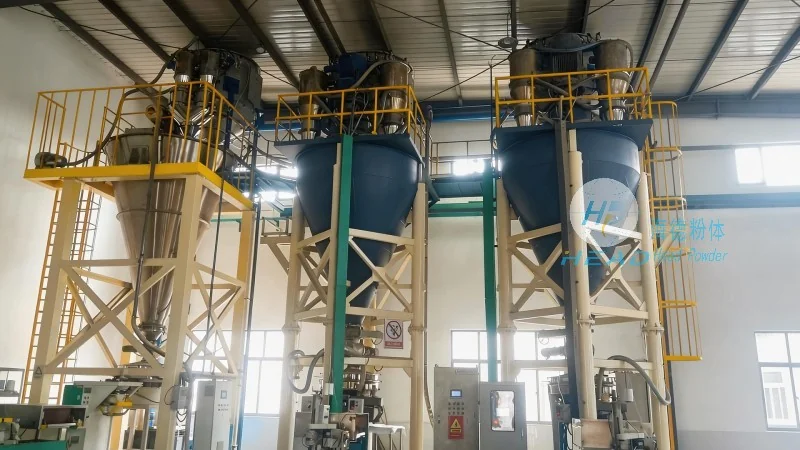
- Feed Hopper and Metering Device: The feed hopper stores the sodium carbonate powder and feeds it into the conveying line at a controlled rate. Metering devices, such as rotary valves or screw feeders, ensure consistent material flow, preventing overloading or underloading of the system.
- Conveying Line: The pipeline through which the powder and air travel. The material is typically transported in a dilute phase (where particles are dispersed in the gas) or a dense phase (where particles are more concentrated). The choice of line material (e.g., stainless steel, plastic) depends on the chemical compatibility and the need for corrosion resistance.
- Air Supply System: This includes the blower or compressor that generates the necessary air pressure or vacuum. The capacity of the air supply must match the system's requirements to maintain optimal flow rates and prevent particle deposition.
- Separation and Collection Equipment: At the receiving end, the system uses cyclones or filters to separate the powder from the air stream. The collected powder is then transferred to a storage bin or processing unit. Proper separation is critical to minimize dust emissions and ensure product purity.
- Control and Monitoring Systems: Modern pneumatic conveying systems often include sensors and control panels to monitor pressure, flow rate, and other parameters. This allows for real-time adjustments and ensures the system operates efficiently and safely.
Key Factors Influencing the Design of Sodium Carbonate Powder Pneumatic Conveying Systems
Several factors play a crucial role in determining the optimal design of a sodium carbonate powder pneumatic conveying system. These include:
- Material Characteristics: The properties of sodium carbonate powder, such as its particle size, shape, and density, directly impact the system's performance. For example, fine particles may require higher air velocities to prevent clogging, while larger particles may need more robust equipment to handle their mass.
- Transport Distance and Vertical Lift: The distance between the source and destination, as well as the vertical height to be overcome, influence the system's design. Longer distances or higher lifts may require more powerful air supply or additional boosters to maintain flow.
- Operating Pressure and Flow Rate: The required pressure and flow rate are determined by the system's capacity and the desired throughput. Higher flow rates may necessitate larger pipelines or more powerful blowers.
- Environmental and Safety Considerations: Pneumatic conveying systems must comply with environmental regulations regarding dust emissions and occupational safety. Proper sealing and filtration are essential to minimize air pollution and protect workers from inhalation hazards.
HeadPowder's Expertise in Sodium Carbonate Powder Pneumatic Conveying
Shandong HeadPowder Engineering Co., Ltd. leverages its expertise in material handling and pneumatic conveying to design and implement customized systems for sodium carbonate powder transport. By considering the unique properties of sodium carbonate and the specific requirements of each application, HeadPowder ensures that its systems are efficient, reliable, and cost-effective. The company's team of engineers works closely with clients to assess their needs, provide technical solutions, and deliver systems that meet or exceed industry standards.