With more than 10‑year industry experience, Shandong Headpowder delivers full‑service pneumatic‑conveying systems and blowers, undertaking nationwide turn‑key powder‑handling projects.
Chromium(III) oxide, also known as chromium sesquioxide, is a widely used inorganic compound with applications in various industries, including pigments, catalysts, and electronic materials. The efficient and safe handling of this powder is crucial for industrial processes, which is where specialized conveying lines come into play. This article explores the concept of a chromium(III) oxide powder conveying line and delves into its underlying design principles to help readers understand its functionality and importance in industrial operations.
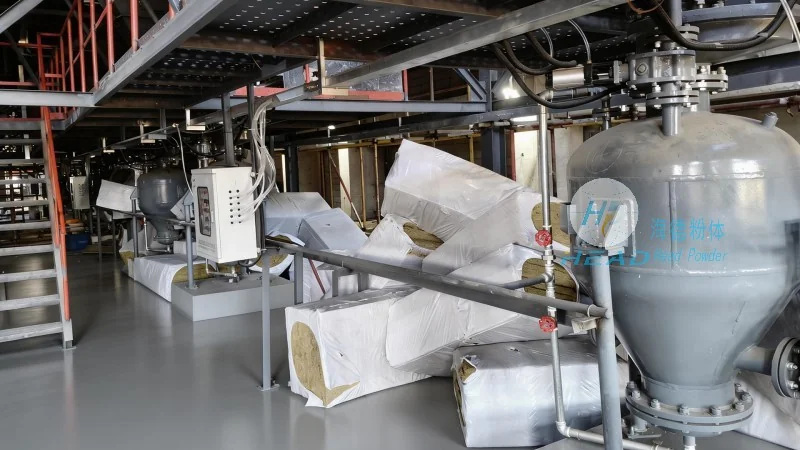
At the core of industrial material handling is the need to transport powders like chromium(III) oxide from one location to another without compromising their quality or safety. A chromium(III) oxide powder conveying line is a system engineered to achieve this objective. It typically consists of components such as hoppers, feeders, conveyors, and control systems, all working in tandem to ensure the smooth and controlled movement of the powder. The design of this line is tailored to address the unique properties of chromium(III) oxide, including its fine particle size, potential for static charge, and sensitivity to moisture or contamination.
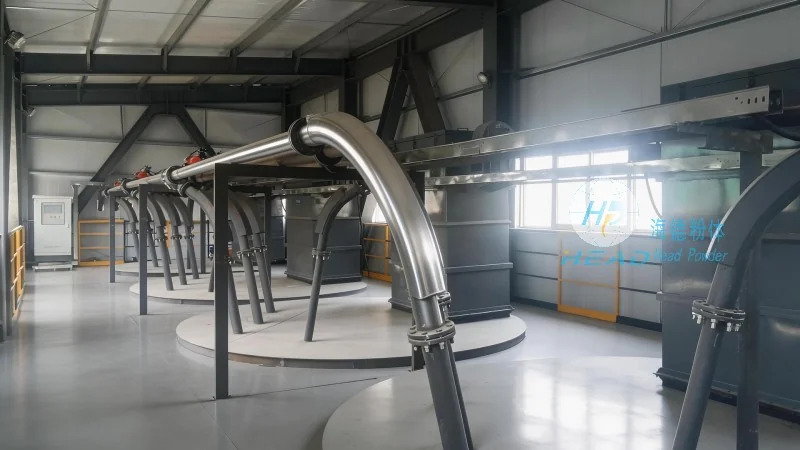
The effectiveness of a chromium(III) oxide powder conveying line hinges on several critical design principles. First, the system must ensure minimal particle degradation and agglomeration during transport. This is achieved through the use of appropriate conveyor types, such as pneumatic or mechanical systems, that minimize friction and impact. Second, the prevention of static electricity buildup is paramount. Since fine powders like chromium(III) oxide are prone to generating static charges, the design incorporates grounding mechanisms and anti-static materials to mitigate this risk. Third, the system must maintain a consistent flow rate and pressure to avoid blockages or uneven distribution. This is often accomplished through the integration of variable speed drives and pressure sensors that adjust the conveying parameters in real-time. Finally, the design prioritizes safety and compliance with industrial standards, including dust explosion prevention measures and material compatibility with the powder.
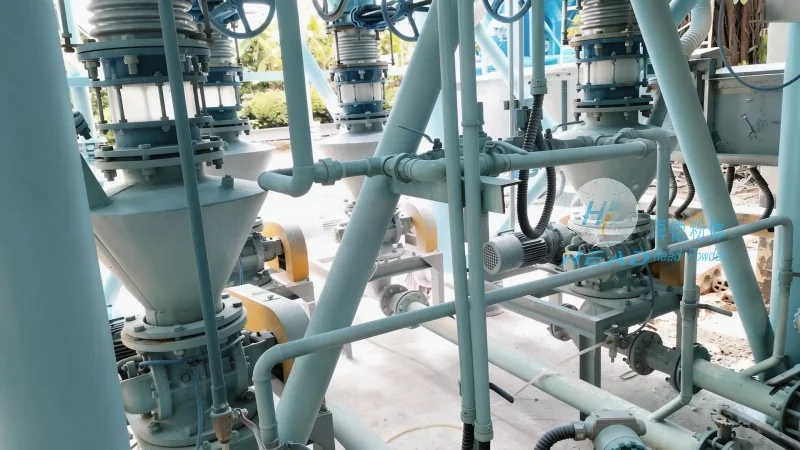
Each component of a chromium(III) oxide powder conveying line plays a specific role in the overall operation. The hopper serves as the storage vessel, holding the powder and providing a controlled feed to the system. The feeder, which can be a rotary valve or a screw feeder, regulates the flow rate of the powder into the conveyor. The conveyor itself, whether a pneumatic duct or a mechanical screw conveyor, transports the powder from the feeder to the discharge point. Control systems, including sensors and programmable logic controllers (PLCs), monitor and adjust the system parameters to maintain optimal performance. Additionally, the line may include dust collection and filtration systems to ensure environmental compliance and worker safety.
The chromium(III) oxide powder conveying line is widely used in industries that require the precise handling of this compound. For example, in the pigment industry, the line ensures that chromium(III) oxide is delivered to mixing and coating processes without loss or contamination. In the catalyst manufacturing sector, the system maintains the purity of the powder during transport, which is critical for the performance of the final catalyst product. The benefits of using such a specialized line include improved process efficiency, reduced material waste, enhanced safety through minimized dust exposure, and compliance with environmental regulations. By addressing the unique challenges associated with chromium(III) oxide, the conveying line enables industries to operate more effectively and sustainably.
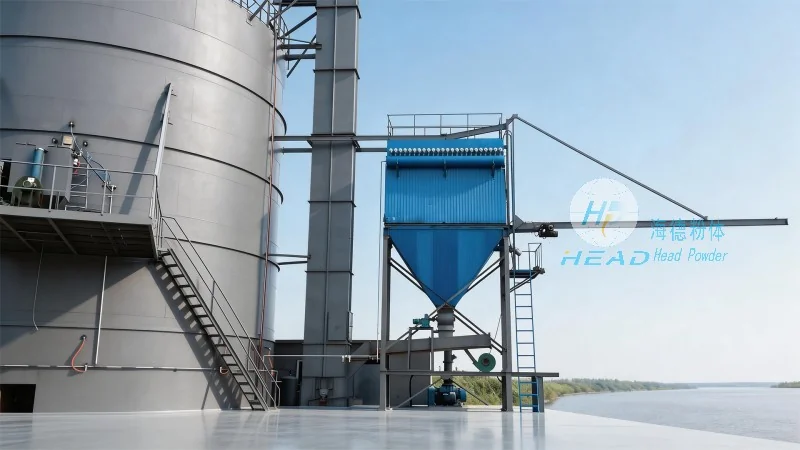
In summary, a chromium(III) oxide powder conveying line is a sophisticated system designed to handle the specific requirements of this important industrial powder. Its design principles, components, and applications are tailored to ensure efficient, safe, and reliable transport. Companies like Shandong HeadPowder Engineering Co., Ltd., based in China, specialize in the design and manufacturing of such systems, providing tailored solutions to meet the diverse needs of industries that rely on chromium(III) oxide. The investment in a well-designed conveying line not only improves operational performance but also contributes to long-term sustainability and compliance in industrial processes.

 Shandong Headpowder Engineering Co., Ltd.
 156-6277-7102(Manager Zhang)
  0531-83386006
  Zhangqiu District, Jinan City, Shandong Province, China
telephone
WeChatconsult
top