With more than 10‑year industry experience, Shandong Headpowder delivers full‑service pneumatic‑conveying systems and blowers, undertaking nationwide turn‑key powder‑handling projects.
Understanding the sodium bicarbonate powder conveying line is essential for industries that handle this chemical compound efficiently. This equipment is specifically designed to transport sodium bicarbonate powder, a key ingredient in various applications such as food processing, pharmaceuticals, and chemical manufacturing. The design principles behind these lines are crucial for ensuring safe, reliable, and efficient material handling.
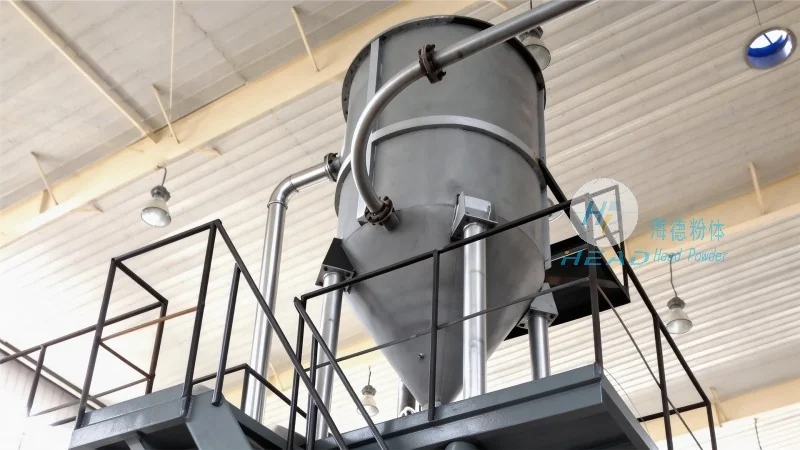
A sodium bicarbonate powder conveying line is a system engineered to move sodium bicarbonate powder from one location to another within a production facility. This system typically includes components like hoppers, feeders, conveyors, and control systems. The primary goal is to maintain the integrity of the powder, prevent caking or agglomeration, and ensure consistent flow rates. Such lines are critical in processes where precise dosing and uniform distribution of sodium bicarbonate are required.
The effectiveness of a sodium bicarbonate powder conveying line depends on several key components. The hopper serves as the storage vessel, providing a controlled environment to hold the powder before it is fed into the system. The feeder, often a rotary valve or a vibratory feeder, regulates the flow of powder from the hopper to the conveyor. The conveyor itself, which may be a pneumatic or mechanical system, transports the powder to the desired destination. Additionally, the control system monitors and adjusts the flow rate, pressure, and other parameters to maintain optimal operation. Each component works in tandem to ensure the powder is handled without degradation or loss of quality.
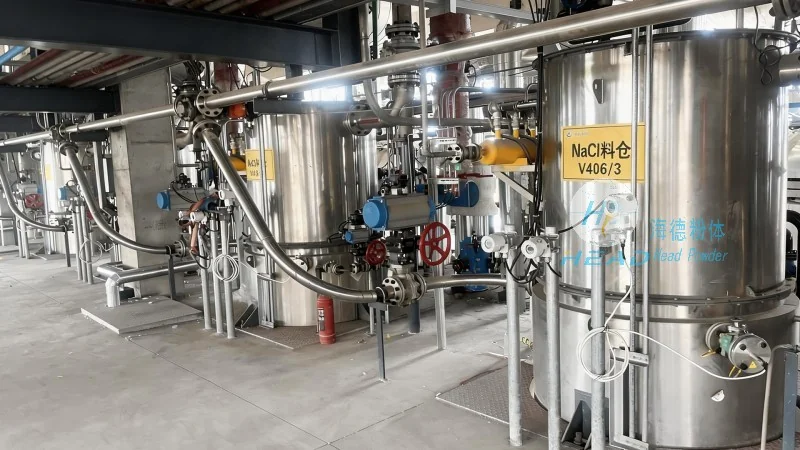
The design principles of a sodium bicarbonate powder conveying line focus on several critical factors. First, the system must prevent material degradation, which can occur due to friction, moisture, or temperature changes. This is achieved through the use of appropriate materials for the hopper and conveyor, such as stainless steel or food-grade plastics, which are resistant to corrosion and chemical reactions. Second, the design emphasizes minimizing dust generation and ensuring proper dust collection to maintain a safe working environment. This is often achieved through enclosed systems and efficient filtration. Third, the line is designed for easy maintenance and cleaning, as sodium bicarbonate can be hygroscopic and may require regular cleaning to prevent buildup. The control system also plays a vital role in optimizing energy consumption and reducing operational costs.
Sodium bicarbonate powder conveying lines are widely used in various industries due to the versatility of sodium bicarbonate. In the food industry, these lines are used to transport baking soda for use in baking and food preparation. In pharmaceuticals, they are crucial for delivering sodium bicarbonate as an ingredient in medications and supplements. The chemical industry also relies on these systems for processing sodium bicarbonate in the production of other chemicals. The consistent and reliable delivery of sodium bicarbonate is essential in all these applications, as any variation in flow or quality can impact the final product's performance and safety.
Implementing a dedicated sodium bicarbonate powder conveying line offers several advantages over traditional methods like manual handling or less specialized equipment. One major benefit is the improvement in safety, as the enclosed system reduces exposure to dust and potential hazards. This also enhances workplace hygiene and compliance with safety regulations. Another advantage is the increased efficiency and consistency in material handling. The automated control systems ensure precise dosing and flow rates, reducing waste and improving production throughput. Additionally, the specialized design minimizes material degradation, preserving the quality of sodium bicarbonate for its intended use. This leads to better product performance and customer satisfaction.
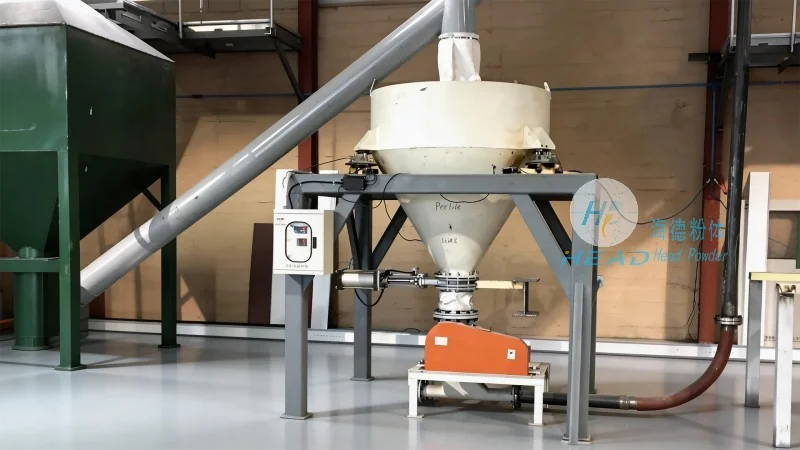
Proper maintenance is essential to ensure the longevity and efficiency of a sodium bicarbonate powder conveying line. Regular inspections of the hopper, feeder, and conveyor are necessary to check for wear and tear or any signs of clogging. Cleaning the system after each batch is important to prevent the buildup of powder, which can affect flow and cause blockages. The control system should be checked regularly to ensure it is functioning correctly and that all sensors are calibrated. Additionally, the use of appropriate lubricants and replacement parts can extend the life of the equipment. Following these best practices helps maintain the system's performance and reduces downtime, ensuring continuous and reliable operation.
In conclusion, a sodium bicarbonate powder conveying line is a sophisticated system designed to handle this important chemical compound efficiently and safely. The design principles, including material selection, dust control, and automated control, are critical to maintaining the quality and integrity of the powder. The advantages of using such a system, including improved safety, efficiency, and product quality, make it a valuable investment for industries that rely on sodium bicarbonate. By understanding the components and best practices for maintenance, companies can ensure their conveying line operates at peak performance, supporting their production processes and meeting industry standards.

 Shandong Headpowder Engineering Co., Ltd.
 156-6277-7102(Manager Zhang)
  0531-83386006
  Zhangqiu District, Jinan City, Shandong Province, China
telephone
WeChatconsult
top