With more than 10‑year industry experience, Shandong Headpowder delivers full‑service pneumatic‑conveying systems and blowers, undertaking nationwide turn‑key powder‑handling projects.
Calcium phosphate is a widely used inorganic compound in various industrial applications, and its efficient transportation is crucial for maintaining production efficiency. Pneumatic conveying, as a key technology in powder handling, offers a reliable solution for moving calcium phosphate powders from one location to another. This article delves into the concept of calcium phosphate pneumatic conveying, exploring the working principles of powder handling systems and how they enhance material transport in industrial settings.
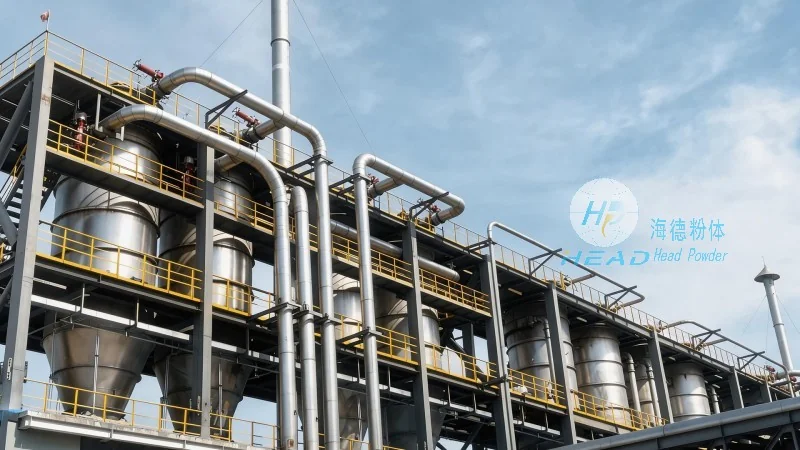
Pneumatic conveying systems are designed to transport bulk materials, such as powders and granules, using air or other gases as the conveying medium. Unlike mechanical systems that rely on belts, screws, or buckets, pneumatic systems utilize the force of compressed air to move materials through a pipeline network. This method is particularly advantageous for calcium phosphate, a fine powder that is often sensitive to moisture and requires gentle handling to preserve its quality and properties.
A standard pneumatic conveying system for calcium phosphate typically consists of several key components, each playing a vital role in the overall operation. The primary components include a material feeder, a compressor or air source, a conveying line (pipeline), a control valve, and a receiver or discharge point. The material feeder is responsible for feeding the calcium phosphate powder into the system at a controlled rate, ensuring a consistent flow. The compressor generates the necessary pressure to move the powder through the pipeline, while the control valve regulates the air flow and pressure to maintain optimal conveying conditions. The conveying line, often made of stainless steel or other corrosion-resistant materials, transports the powder and air mixture to the destination. Finally, the receiver or discharge point collects the conveyed material, completing the process.
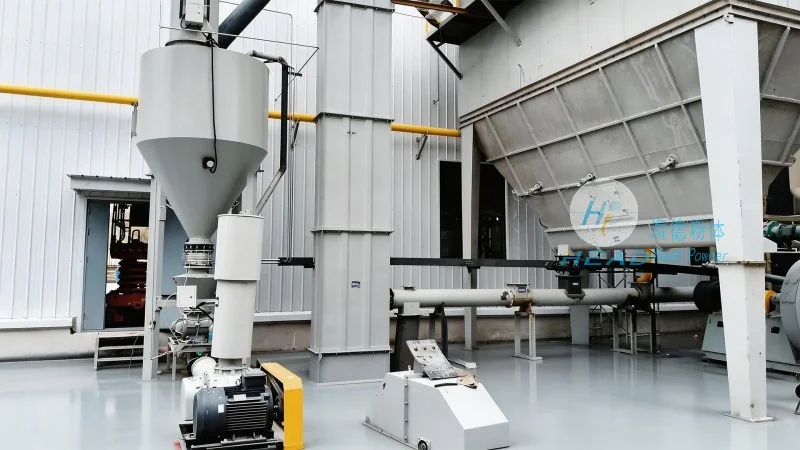
The working principle of calcium phosphate pneumatic conveying involves the creation of a dense phase or dilute phase flow, depending on the system design and operational parameters. In dense phase conveying, the powder is mixed with a small amount of air at a low velocity, forming a slurry-like mixture that moves through the pipeline under pressure. This method is ideal for handling fine powders like calcium phosphate, as it minimizes particle degradation and ensures a smooth, continuous flow. In contrast, dilute phase conveying uses higher air velocities and lower pressure, suitable for longer distances or larger volumes of material. The system operates by first feeding the calcium phosphate powder into the feeder, which then introduces it into the conveying line along with the compressed air. The air flow carries the powder particles through the pipeline, and the pressure differential between the feeder and the receiver drives the material forward. At the discharge point, the air is separated from the powder, and the calcium phosphate is collected in the receiver, ready for further processing or use.
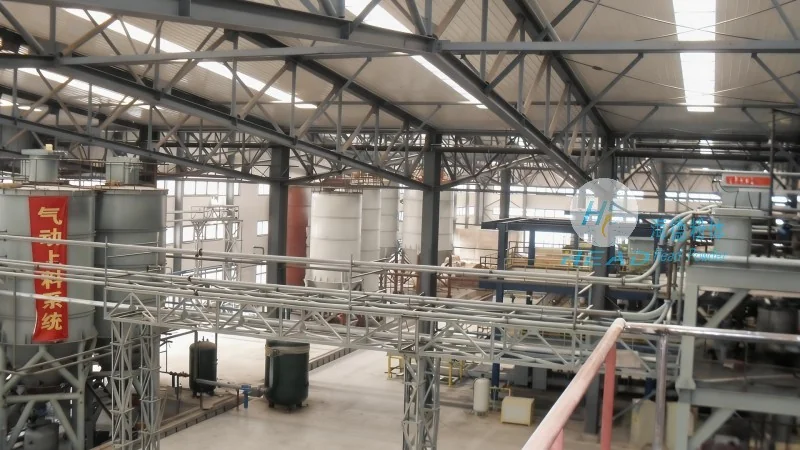
Pneumatic conveying systems offer several advantages when handling calcium phosphate, making them a preferred choice in many industries. One of the key benefits is the ability to transport materials over long distances without the need for intermediate storage or transfer points. This reduces the risk of material contamination and loss, ensuring the purity of the calcium phosphate remains intact. Additionally, pneumatic systems provide gentle handling, which is essential for preserving the physical and chemical properties of fine powders. Unlike mechanical systems that may cause abrasion or compaction, pneumatic conveying minimizes particle degradation, maintaining the powder's quality for downstream applications. Another advantage is the flexibility of the system, as it can be easily adjusted to handle varying material flow rates and particle sizes. This adaptability makes pneumatic conveying suitable for diverse industrial processes, from pharmaceuticals to food and agriculture.
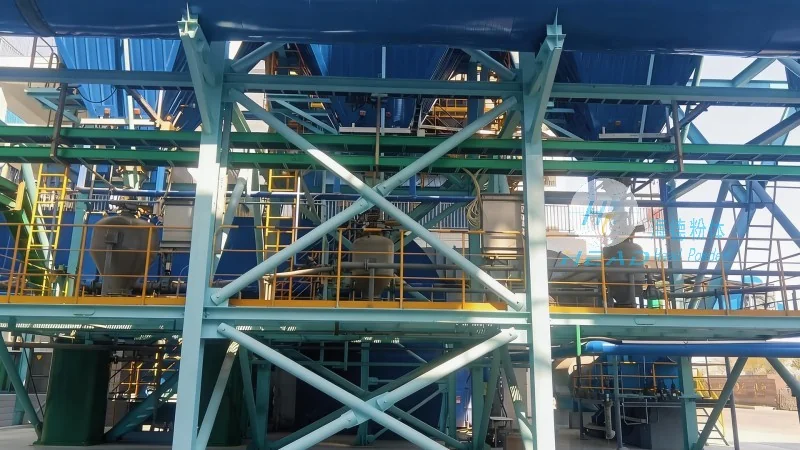
The applications of calcium phosphate pneumatic conveying span across multiple sectors, where the efficient transport of this compound is critical. In the pharmaceutical industry, calcium phosphate is used as a filler or excipient in drug formulations, and pneumatic conveying ensures that the material is delivered to production lines without contamination or degradation. In the food industry, calcium phosphate is added to food products as a fortifier or texturizer, and the system maintains the powder's quality during transport. The agricultural sector also benefits from pneumatic conveying, as calcium phosphate is used as a fertilizer or feed additive, requiring reliable transport to farms and processing facilities. Furthermore, in the chemical industry, calcium phosphate is used in various processes, and the system ensures that the material is handled safely and efficiently. Overall, pneumatic conveying systems play a vital role in supporting the production and distribution of calcium phosphate in these industries, enhancing operational efficiency and product quality.
In conclusion, calcium phosphate pneumatic conveying is a sophisticated and efficient method for transporting this essential compound in industrial applications. By leveraging the principles of pneumatic conveying, companies can ensure the reliable and gentle handling of calcium phosphate, maintaining its quality and properties throughout the transport process. The system's components and working principles are designed to optimize material flow, minimize contamination, and adapt to varying operational needs. As a result, pneumatic conveying systems are a cornerstone of modern powder handling technology, supporting the diverse applications of calcium phosphate in industries such as pharmaceuticals, food, agriculture, and chemicals. With the expertise of companies like Shandong HeadPowder Engineering Co., Ltd., based in China, the technology continues to advance, providing innovative solutions for the efficient transport of calcium phosphate and other fine powders.

 Shandong Headpowder Engineering Co., Ltd.
 156-6277-7102(Manager Zhang)
  0531-83386006
  Zhangqiu District, Jinan City, Shandong Province, China
telephone
WeChatconsult
top