With more than 10‑year industry experience, Shandong Headpowder delivers full‑service pneumatic‑conveying systems and blowers, undertaking nationwide turn‑key powder‑handling projects.
Efficient and reliable material handling is crucial in industrial operations, especially when dealing with specialized substances like fluoride lithium. Pneumatic conveying systems have emerged as a preferred solution for transporting such materials due to their ability to handle fine powders and granules with minimal environmental impact. However, a common challenge in these systems is the risk of pipeline blockages, which can lead to operational disruptions and increased maintenance costs. Understanding how to prevent such blockages and the key design parameters involved is essential for optimizing the performance of pneumatic conveying systems in fluoride lithium transport.
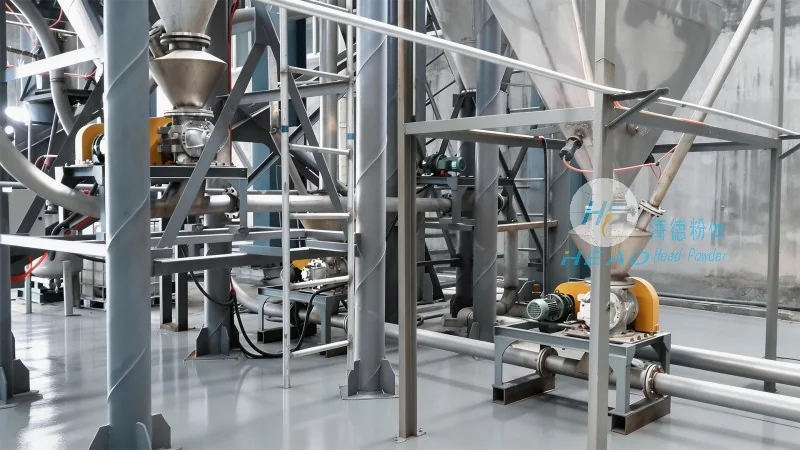
Fluoride lithium, often in the form of fine powders or granules, poses unique challenges during pneumatic transport. The material's physical properties, such as particle size, moisture content, and flowability, can significantly affect the system's performance. Blockages can occur due to several factors, including agglomeration of particles, inadequate air velocity, and improper system design. These blockages not only halt the transport process but also increase the risk of equipment damage and safety hazards. Therefore, implementing effective prevention strategies is vital to ensure smooth and continuous operation.
Several critical design parameters must be considered to mitigate the risk of pipeline blockages in pneumatic conveying systems for fluoride lithium transport. These parameters are tailored to the specific characteristics of the material and the operational requirements of the system. The first parameter is the air velocity, which must be maintained at an optimal level to ensure proper particle suspension and prevent settling. Research and industry best practices indicate that air velocities typically range from 20 to 30 meters per second for fine powders like fluoride lithium. Maintaining this velocity ensures that particles remain suspended in the air stream, reducing the likelihood of agglomeration and blockages.
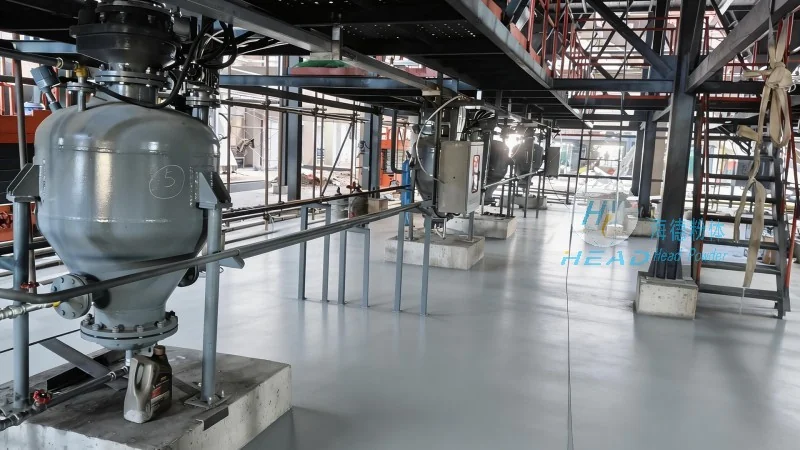
Another crucial parameter is the system's pressure and flow rate. The pressure must be sufficient to overcome the resistance caused by the material's properties and the system's components. A pressure drop across the pipeline can indicate potential blockages or inefficiencies. Properly sizing the pipeline diameter and ensuring consistent air flow are essential to maintain the required pressure levels. Additionally, the use of appropriate bends, elbows, and other fittings is vital to minimize friction losses and maintain uniform air velocity throughout the system.
Preventing blockages also involves proper material handling and conditioning before transport. Fluoride lithium may contain moisture or contaminants that can affect its flowability. Conditioning the material, such as drying or blending with other additives, can improve its properties and reduce the risk of agglomeration. For example, adding a small amount of anti-caking agent can enhance the material's flow characteristics, making it easier to transport without blockages. Additionally, ensuring that the material is fed uniformly into the system, using appropriate feeders like rotary valves or screw feeders, helps maintain consistent flow rates and prevents surges that could lead to blockages.
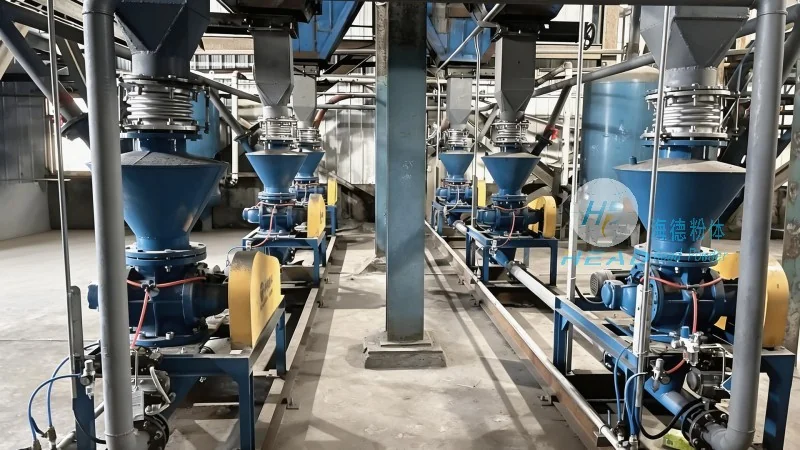
Regular maintenance and monitoring are essential to prevent pipeline blockages and ensure the longevity of the pneumatic conveying system. This includes inspecting the pipeline for any signs of wear or damage, cleaning the system periodically to remove accumulated material, and monitoring pressure and flow rates in real-time. Advanced monitoring systems can provide early warnings of potential blockages, allowing for timely intervention and preventing costly downtime. Regular maintenance also helps identify and address any design flaws or operational issues that may contribute to blockages over time.
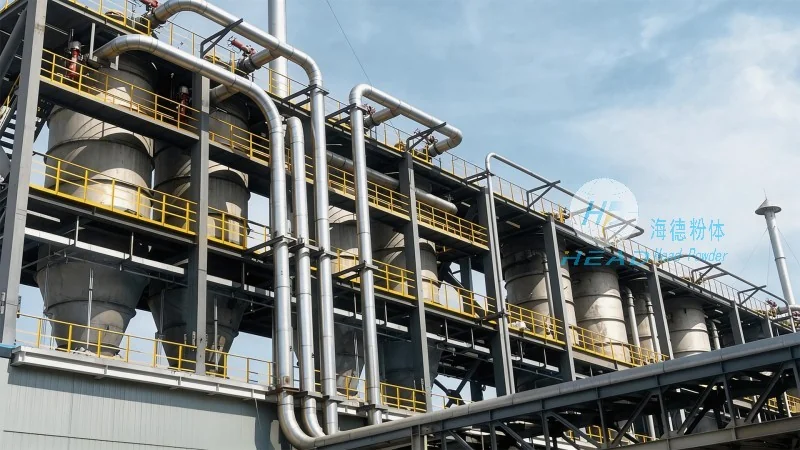
Shandong HeadPowder Engineering Co., Ltd., a leading provider of pneumatic conveying solutions, has successfully implemented systems to prevent pipeline blockages in fluoride lithium transport for various industrial clients. The company specializes in designing and manufacturing customized pneumatic conveying systems tailored to the specific needs of each application. By integrating the key design parameters discussed above, their systems have demonstrated high efficiency and reliability in transporting fluoride lithium without blockages. For instance, one client reported a significant reduction in downtime and maintenance costs after implementing a HeadPowder-designed system, which included optimized air velocity, proper material conditioning, and regular monitoring.
Preventing pipeline blockages in pneumatic conveying systems for fluoride lithium transport requires a comprehensive approach that considers material properties, system design, and operational practices. By focusing on key design parameters such as air velocity, pressure, and flow rate, along with proper material handling and regular maintenance, industrial operations can achieve efficient and reliable transport of fluoride lithium. Companies like Shandong HeadPowder Engineering Co., Ltd. play a crucial role in providing tailored solutions that address these challenges, ensuring that industrial processes run smoothly and cost-effectively. As the demand for specialized materials like fluoride lithium continues to grow, the importance of effective pneumatic conveying systems and proper design parameters will only increase, making it essential for industries to invest in robust and well-designed transport solutions.

 Shandong Headpowder Engineering Co., Ltd.
 156-6277-7102(Manager Zhang)
  0531-83386006
  Zhangqiu District, Jinan City, Shandong Province, China
telephone
WeChatconsult
top