With more than 10‑year industry experience, Shandong Headpowder delivers full‑service pneumatic‑conveying systems and blowers, undertaking nationwide turn‑key powder‑handling projects.
For coffee processing facilities, efficient and reliable powder handling is crucial to maintaining product quality and operational efficiency. This article explores the concept of coffee pneumatic conveying, a key technology in the powder handling industry, and introduces the working principles of such systems.
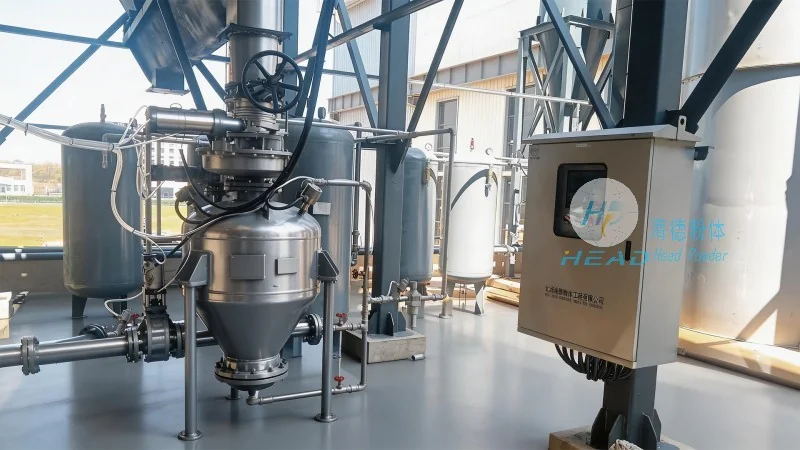
Coffee pneumatic conveying, also known as powder pneumatic transport, is a method used to transport coffee powders and other fine particulate materials through a pipeline using air or gas as the conveying medium. This technology offers several advantages over traditional mechanical conveying methods, including reduced contamination risk, lower maintenance requirements, and the ability to handle sensitive materials like coffee without degradation.
The core of a pneumatic conveying system is the combination of a conveying line, a source of air or gas, and a material feed mechanism. The process typically begins with the material being fed into a hopper or feeder, where it is then introduced into the conveying line. Simultaneously, a fan or blower generates a flow of air within the pipeline, creating a pressure differential that propels the material forward. The air flow can be either positive pressure (where air pushes the material) or negative pressure (where air pulls the material), depending on the system design and application requirements.
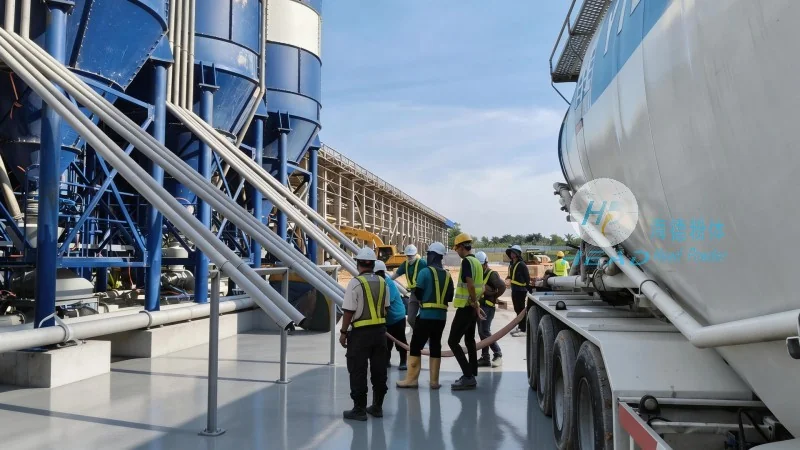
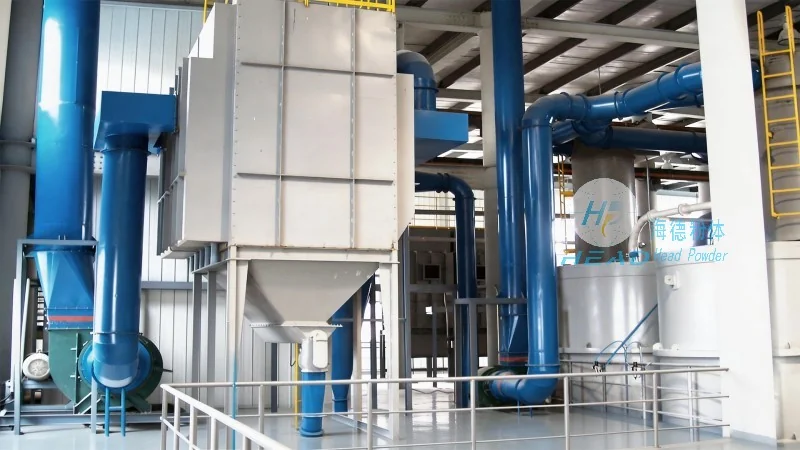
Key components of a typical coffee pneumatic conveying system include: the material source (such as a storage silo or hopper), a feeder or pump to introduce the material into the line, a conveying line (often made of stainless steel or other corrosion-resistant materials to prevent contamination), a fan or blower to generate the air flow, and a receiver or destination vessel where the material is deposited. Additional components may include filters to remove dust from the air, cyclones for material separation, and control systems to regulate the flow rate and pressure.
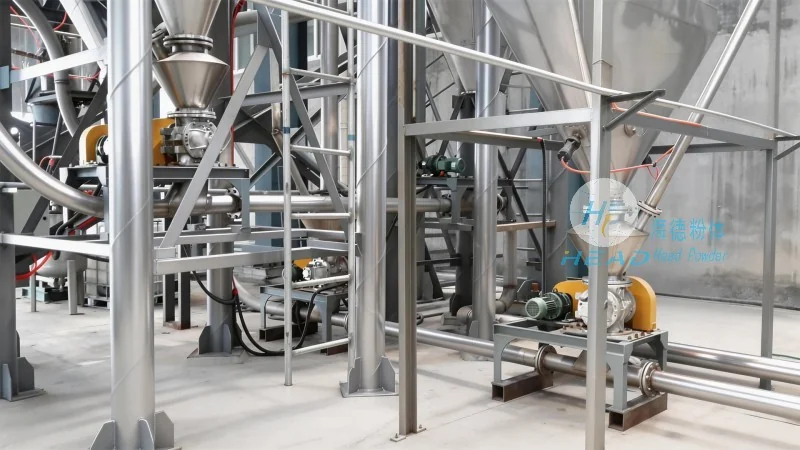
Implementing pneumatic conveying in coffee processing offers several benefits. First, it minimizes the risk of product contamination, as the material is enclosed within the pipeline, preventing exposure to external elements or cross-contamination from other products. Second, it reduces the need for mechanical components like belts or screws, which can be prone to wear and tear and may introduce contaminants. Third, the system can handle a wide range of coffee powders, from fine to coarse, without causing particle degradation or agglomeration. Finally, pneumatic conveying systems are generally more energy-efficient than traditional methods, as they can optimize air flow to match the material's characteristics and processing needs.
Coffee pneumatic conveying is widely used in various stages of coffee processing, including: raw coffee bean storage and transfer, grinding and milling operations, flavoring and blending processes, and packaging and distribution. In each of these applications, the system ensures that coffee powders are transported efficiently and hygienically, maintaining the quality and consistency of the final product.
Shandong HeadPowder Engineering Co., Ltd., a leading provider of powder handling solutions, specializes in designing and manufacturing advanced pneumatic conveying systems tailored to the coffee industry. With years of experience in the field, HeadPowder offers customized solutions that meet the specific needs of coffee processing facilities, ensuring optimal performance, reliability, and compliance with industry standards. The company's headquarters is located in Shandong, China, and it serves clients globally with high-quality equipment and technical support.

 Shandong Headpowder Engineering Co., Ltd.
 156-6277-7102(Manager Zhang)
  0531-83386006
  Zhangqiu District, Jinan City, Shandong Province, China
telephone
WeChatconsult
top