With more than 10‑year industry experience, Shandong Headpowder delivers full‑service pneumatic‑conveying systems and blowers, undertaking nationwide turn‑key powder‑handling projects.
For professionals in the construction and material handling industries, understanding the technology behind lightweight aggregate material transport systems is crucial. These systems are designed to efficiently move materials like expanded clay, perlite, and other lightweight aggregates, which are essential in modern construction for their lightweight properties and thermal insulation capabilities. This article explores the working principles and key features of such systems, providing insights into how they enhance operational efficiency and material management.
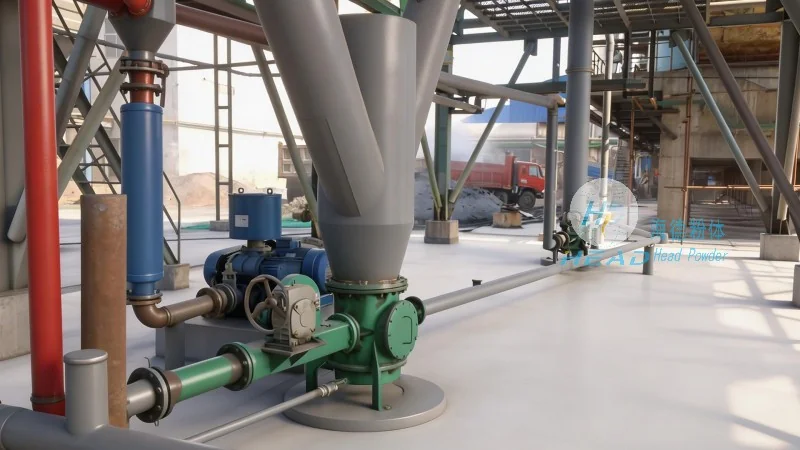
Lightweight aggregate material handling systems are specialized equipment used to transport, store, and distribute lightweight aggregates, which are commonly used in concrete production, insulation materials, and other construction applications. These systems typically consist of components like feeders, conveyors, storage silos, and control units, all working in tandem to ensure smooth material flow. The design of these systems is tailored to handle the unique characteristics of lightweight aggregates, such as their low density and tendency to flow or settle differently compared to traditional aggregates.
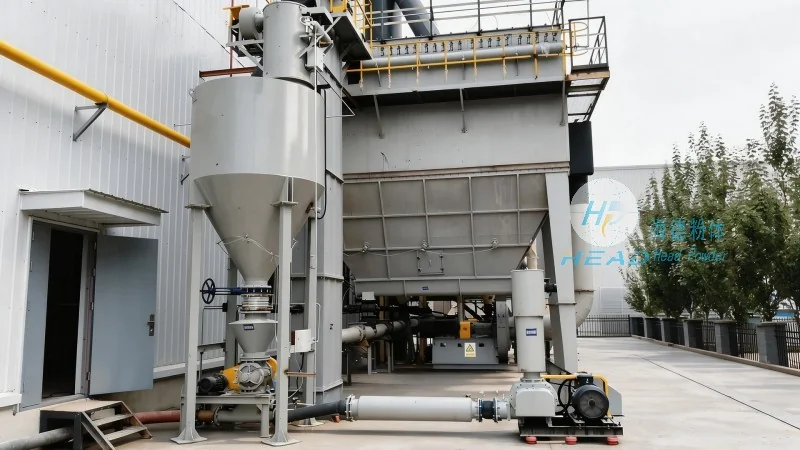
The core working principle of lightweight aggregate material handling systems revolves around the integration of mechanical and control technologies to achieve efficient material movement. The process generally begins with material feeding from a hopper or storage silo into a feeder, which regulates the flow rate based on system requirements. From there, the material is conveyed through a series of conveyors—often belt conveyors, screw conveyors, or pneumatic systems—depending on the system design and material properties. The conveyors transport the lightweight aggregates to the desired location, such as a mixing plant, storage area, or processing unit. Advanced systems may include sensors and control panels to monitor flow rates, material levels, and operational status, ensuring real-time adjustments for optimal performance.
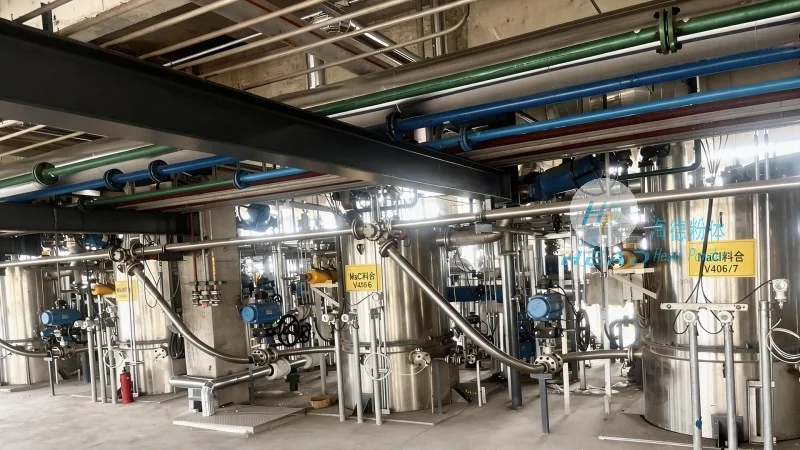
Lightweight aggregate material handling systems are characterized by several key features that enhance their functionality and reliability. One of the most notable features is the use of specialized feeders and conveyors designed to handle the low density and flow characteristics of lightweight aggregates. These components are often equipped with adjustable speed controls and anti-clogging mechanisms to prevent material buildup and ensure consistent flow. Another critical feature is the integration of storage silos, which provide large-capacity storage for aggregates, allowing for continuous operation even during material delivery or processing. Additionally, modern systems incorporate advanced control systems, including PLC (Programmable Logic Controller) technology, to automate operations and improve efficiency. The reliability and durability of these systems, with robust construction materials and protective enclosures, make them suitable for demanding industrial environments.
Lightweight aggregate material handling systems find extensive applications in various sectors, including concrete manufacturing, insulation material production, and construction site material management. By efficiently transporting lightweight aggregates, these systems contribute to improved productivity and reduced labor costs in material handling operations. The use of such systems also enhances the quality of construction materials, as consistent material flow ensures uniform mixing and processing. Furthermore, the advanced features of these systems, such as real-time monitoring and automation, help minimize downtime and operational errors, leading to better overall performance. The reliability and efficiency of lightweight aggregate material handling systems make them indispensable in modern construction and material handling industries.

Shandong HeadPowder Engineering Co., Ltd., commonly known as HeadPowder, is a leading manufacturer and supplier of specialized material handling equipment, including lightweight aggregate material transport systems. With a focus on innovation and quality, HeadPowder has established itself as a trusted partner in the construction and material processing sectors. The company's products are designed to meet the specific needs of clients, offering solutions that enhance operational efficiency and material management. HeadPowder's commitment to customer satisfaction and technological advancement has made it a preferred choice for businesses seeking reliable and efficient material handling solutions. Based in Shandong, China, HeadPowder leverages its expertise and local resources to deliver high-quality equipment that meets international standards.

 Shandong Headpowder Engineering Co., Ltd.
 156-6277-7102(Manager Zhang)
  0531-83386006
  Zhangqiu District, Jinan City, Shandong Province, China
telephone
WeChatconsult
top