With more than 10‑year industry experience, Shandong Headpowder delivers full‑service pneumatic‑conveying systems and blowers, undertaking nationwide turn‑key powder‑handling projects.
For industries dealing with fiber materials, efficient and reliable material transport is crucial. Pneumatic conveying systems offer a versatile solution that enhances productivity while ensuring the integrity of delicate fiber products. This article explores the key aspects of pneumatic conveying in fiber material handling, highlighting its benefits and practical applications. HeadPowder, a leading provider of material handling solutions, specializes in designing and implementing pneumatic conveying systems tailored to the specific needs of fiber processing industries.
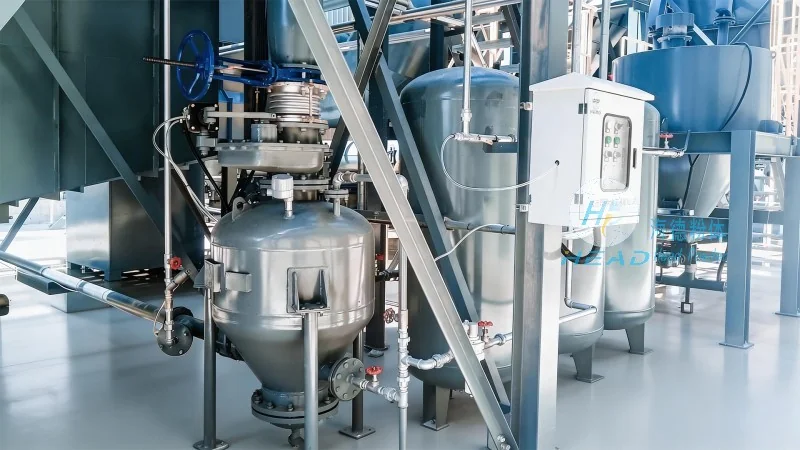
Pneumatic conveying utilizes air or gas to transport bulk materials, including fibers, through a pipeline system. Unlike traditional mechanical methods, this technology eliminates the need for moving parts in the conveying line, reducing maintenance requirements and minimizing product contamination. The system typically consists of a hopper, a conveyor line, and a receiver, with air being supplied by a blower or compressor. The air flow creates a low-pressure zone that draws the fiber material into the pipeline, where it is carried to the destination.
When handling fiber materials, pneumatic conveying offers several advantages that make it an ideal choice for many applications. First, it provides a clean and hygienic transport method, which is essential for industries such as pharmaceuticals, food processing, and cosmetics where product purity is paramount. The enclosed pipeline system prevents dust and contaminants from entering the environment, maintaining high standards of cleanliness. Second, pneumatic conveying is highly flexible, allowing for changes in material flow direction and destination without the need for extensive reconfiguration. This adaptability is particularly valuable in manufacturing environments where production lines may need to be adjusted frequently. Third, the system can handle a wide range of fiber types and sizes, from fine powders to larger fiber bundles, with minimal degradation. The gentle handling of materials ensures that the physical properties of the fibers remain intact, which is critical for applications where fiber quality directly impacts product performance.
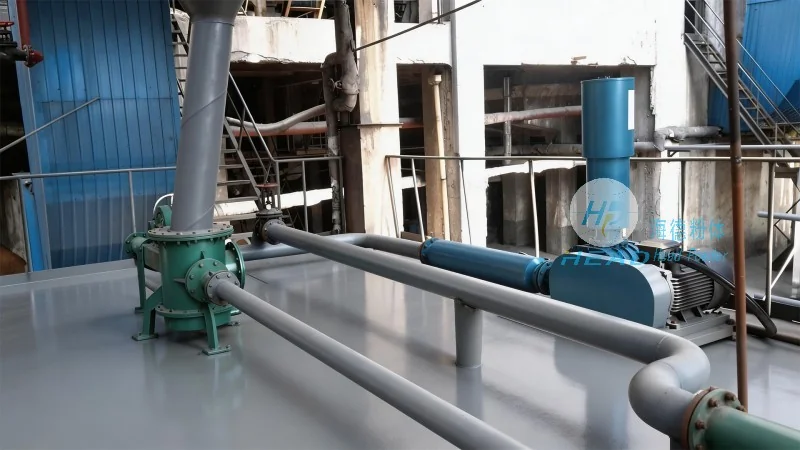
Pneumatic conveying is widely used in various industries that process fiber materials. In the paper and pulp industry, it is used to transport raw fibers from storage to processing equipment, such as pulpers and refiners. The system efficiently moves large volumes of material, reducing labor costs and improving throughput. In the textile industry, pneumatic conveying is employed to transport raw fibers to spinning machines, ensuring a consistent supply of material for production. This technology also plays a role in the production of composite materials, where fibers are conveyed to mixing and molding equipment. The ability to handle different fiber types and maintain material quality makes pneumatic conveying a preferred solution in these sectors.
The effectiveness of a pneumatic conveying system for fiber materials depends on several key components and design choices. The hopper, where the fiber material is stored, must be designed to prevent bridging and ensure consistent material flow. For fibrous materials, a hopper with a conical bottom and a discharge valve is often used to control the material release. The conveyor line, typically made of stainless steel or other corrosion-resistant materials, must be able to withstand the abrasive nature of fiber materials and maintain a smooth interior to minimize friction and material degradation. The air supply system, including the blower or compressor, is critical for maintaining the necessary air pressure and flow rate. The receiver, where the material is deposited, should be designed to prevent dust accumulation and ensure easy access for maintenance. Additionally, the system may include filters and cyclones to separate the air from the fiber material, ensuring that the air is clean and can be recirculated if needed.
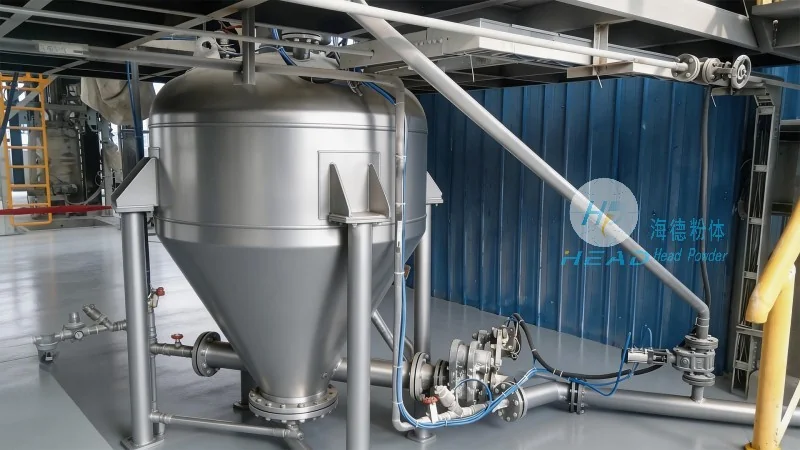
The performance of a pneumatic conveying system for fiber materials is influenced by several factors, including the system design, material properties, and operating conditions. The air velocity in the pipeline is a key parameter, as it must be high enough to maintain the material in suspension but not so high as to cause excessive wear on the system components. The system pressure and flow rate are also critical, as they determine the capacity and distance the material can be conveyed. For long-distance or high-capacity applications, positive pressure systems are often preferred, as they provide more consistent material flow and can handle larger volumes. The choice of system type, whether negative or positive pressure, depends on the specific application and material characteristics. For example, negative pressure systems are suitable for short-distance conveying and applications where dust control is a priority, while positive pressure systems are better for long-distance and high-volume conveying.
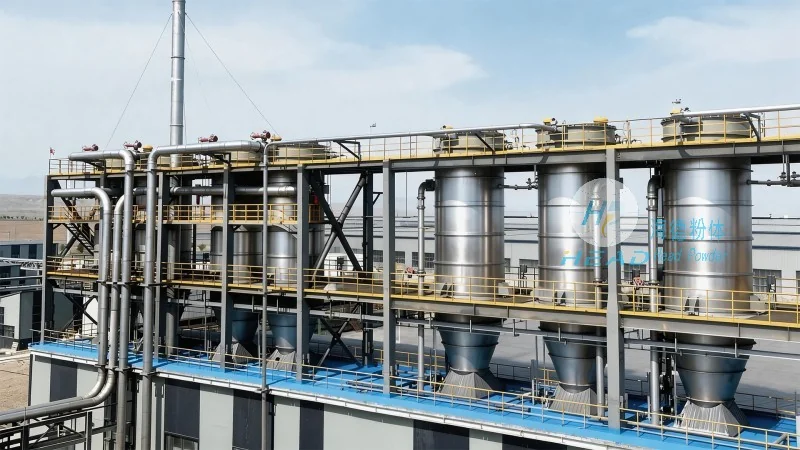
Proper maintenance is essential to ensure the long-term performance and reliability of a pneumatic conveying system for fiber materials. Regular inspection of the hopper and discharge valve is necessary to prevent material buildup and blockages. The conveyor line should be checked for signs of wear or damage, and the interior should be cleaned periodically to remove accumulated fiber material. The air supply system, including the blower and filters, should be maintained according to the manufacturer's recommendations to ensure optimal performance. The receiver and filters should also be inspected regularly to prevent clogging and ensure efficient material separation. Operational tips include monitoring the system pressure and flow rate to detect any changes that may indicate a problem. Adjusting the air velocity or pressure as needed can help maintain consistent material flow and prevent system failures. Additionally, training operators on proper system operation and maintenance can help minimize downtime and extend the system's lifespan.
Pneumatic conveying plays a vital role in the efficient and reliable transport of fiber materials across various industries. By providing a clean, flexible, and gentle handling method, this technology enhances productivity and maintains the quality of fiber products. With proper system design, maintenance, and operation, pneumatic conveying systems can deliver consistent performance and contribute to the overall success of fiber processing operations. HeadPowder, with its expertise in material handling technologies, continues to support industries in optimizing their fiber material transport processes, ensuring high-quality outcomes and operational efficiency.

 Shandong Headpowder Engineering Co., Ltd.
 156-6277-7102(Manager Zhang)
  0531-83386006
  Zhangqiu District, Jinan City, Shandong Province, China
telephone
WeChatconsult
top