With more than 10‑year industry experience, Shandong Headpowder delivers full‑service pneumatic‑conveying systems and blowers, undertaking nationwide turn‑key powder‑handling projects.
For industries dealing with bulk materials like sawdust and wood flakes, efficient material handling is crucial. Pneumatic conveying systems offer a solution, but a common challenge is pipeline blockages. This article explores how to prevent such blockages and highlights the critical design parameters that ensure smooth operation in sawdust and wood flake transport.
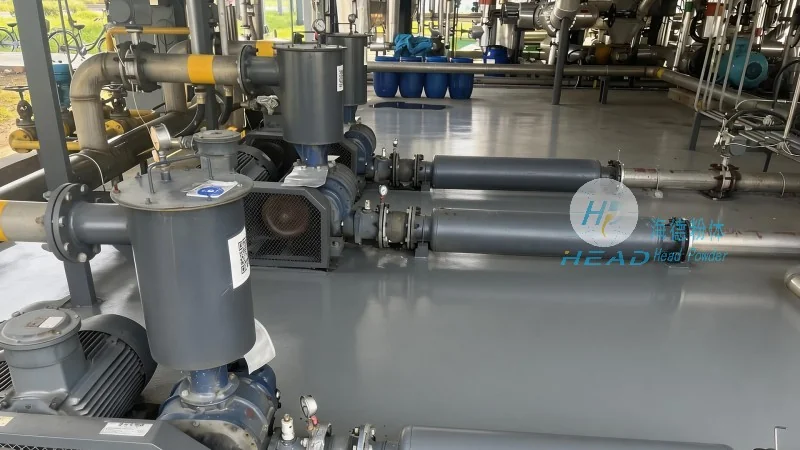
Pneumatic conveying systems use air or gas to transport dry bulk materials through a pipeline. In the case of sawdust and wood flakes, these materials are lightweight and can be prone to sticking or agglomerating, which may lead to blockages. Proper system design is essential to mitigate these risks and maintain consistent material flow.
Several design parameters play a vital role in preventing blockages in pneumatic conveying systems for sawdust and wood flakes. These include:
1. Material Properties and Flowability: The physical characteristics of sawdust and wood flakes, such as particle size, moisture content, and density, significantly impact system performance. Materials with high moisture content or fine particles are more likely to cause blockages. Ensuring proper drying and conditioning of the material before conveying can improve flowability and reduce blockage risks.
2. Airflow Velocity and Pressure: Maintaining adequate airflow velocity is critical to prevent material settling and blockages. The system must be designed to provide sufficient air pressure to keep the material in suspension. Typically, higher airflow velocities are required for lighter materials like sawdust and wood flakes. The pressure drop across the system should be monitored to ensure it remains within optimal ranges.
3. Pipeline Sizing and Layout: The diameter and length of the pipeline, as well as the layout (e.g., vertical vs. horizontal runs), affect the risk of blockages. Larger diameter pipelines reduce the risk of material accumulation and blockages. Properly designed bends and elbows with smooth transitions also help prevent material buildup. The layout should minimize sharp turns and vertical drops that can cause material to settle.
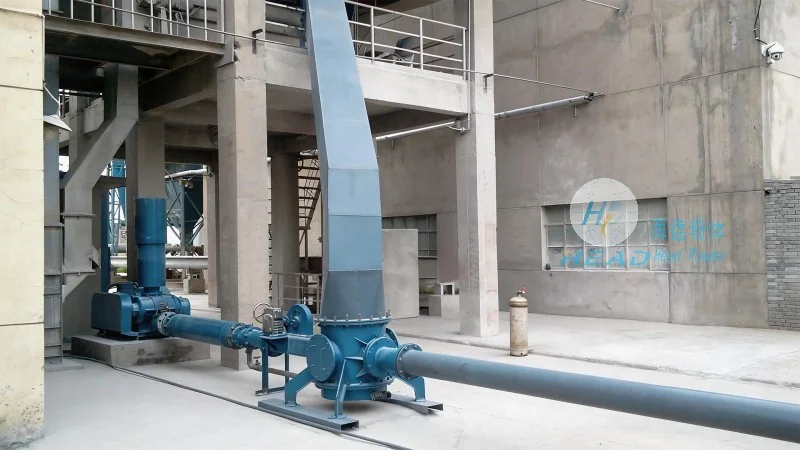
4. Solids Loading Ratio: The ratio of material to air in the system is a key parameter. Operating at an optimal solids loading ratio ensures that the material is adequately suspended without causing excessive pressure drop or blockages. Overloading the system can lead to material deposition and blockages, while underloading may result in inefficient material transport.
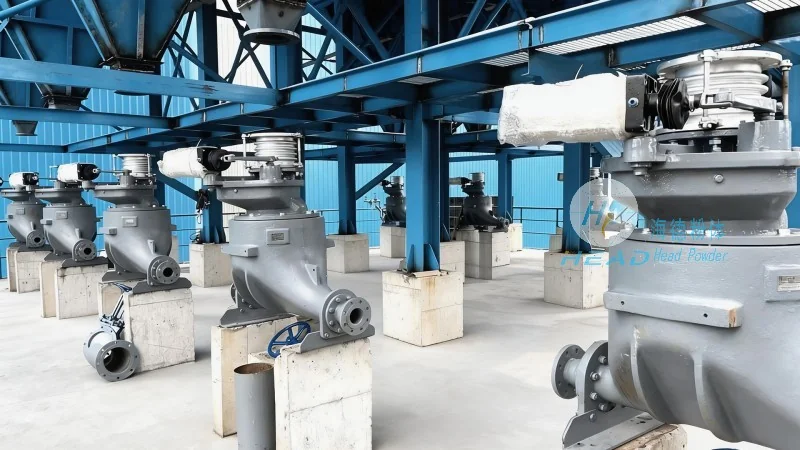
5. Inlet and Outlet Design: The design of the material inlet and outlet points is crucial. Properly designed inlets help introduce material smoothly into the pipeline without causing turbulence or blockages. Outlet designs, such as rotary valves or airlocks, should be selected to prevent material buildup and ensure consistent discharge.
Shandong HeadPowder Engineering Co., Ltd., a leading provider of engineering solutions, specializes in designing and implementing pneumatic conveying systems tailored to the unique challenges of sawdust and wood flake transport. With a focus on preventing pipeline blockages, their expertise lies in optimizing design parameters to ensure reliable and efficient material handling.
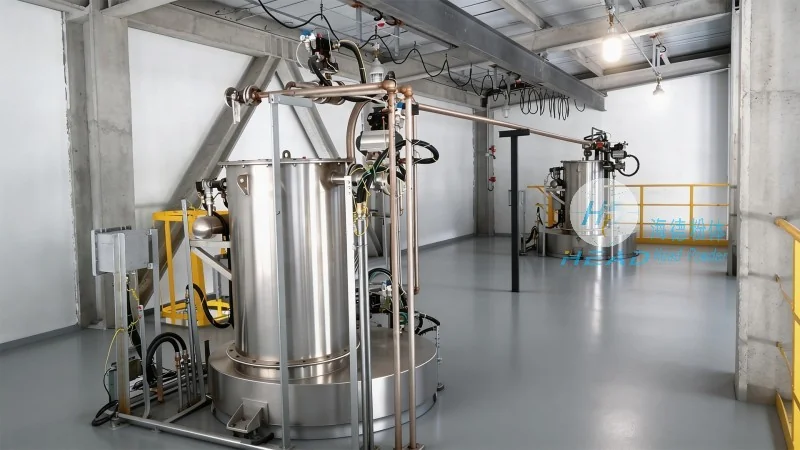
The company’s engineers consider all critical factors, including material properties, system layout, and operational conditions, to develop customized solutions. By adhering to industry best practices and leveraging advanced design tools, HeadPowder Engineering ensures that their systems meet the specific needs of clients, minimizing the risk of blockages and maximizing operational efficiency.
Preventing pipeline blockages in pneumatic conveying systems for sawdust and wood flakes requires careful consideration of design parameters. By optimizing material properties, airflow conditions, pipeline layout, solids loading ratios, and inlet/outlet designs, industries can achieve smooth and reliable material transport. Shandong HeadPowder Engineering Co., Ltd. offers expert solutions that address these challenges, providing clients with efficient and durable pneumatic conveying systems.

 Shandong Headpowder Engineering Co., Ltd.
 156-6277-7102(Manager Zhang)
  0531-83386006
  Zhangqiu District, Jinan City, Shandong Province, China
telephone
WeChatconsult
top