With more than 10‑year industry experience, Shandong Headpowder delivers full‑service pneumatic‑conveying systems and blowers, undertaking nationwide turn‑key powder‑handling projects.
Sodium hydroxide, commonly known as caustic soda, is a widely used chemical in various industrial processes. The efficient and safe transportation of this powder is crucial for maintaining production efficiency and ensuring workplace safety. Pneumatic conveying systems have emerged as a reliable solution for handling sodium hydroxide powder, offering advantages such as reduced dust generation, improved material handling, and enhanced operational flexibility. This article provides an overview of the structure and operational principles of sodium hydroxide powder pneumatic conveying systems, highlighting key components and their functions.
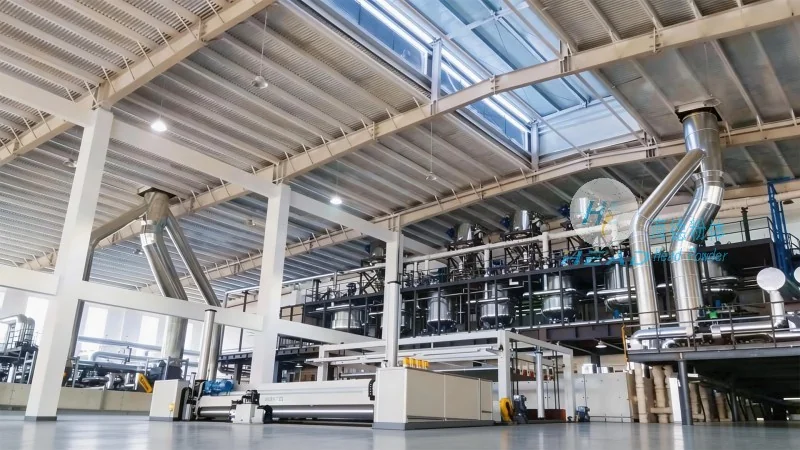
The sodium hydroxide powder pneumatic conveying system typically consists of several essential components that work in tandem to ensure effective material transport. The primary components include the material hopper, feeder, air compressor, conveying line, and receiver. Each component plays a critical role in the overall system operation.
Firstly, the material hopper serves as the storage container for the sodium hydroxide powder. It is designed to hold a sufficient quantity of the material to meet production demands while maintaining a stable feed. The hopper is equipped with a discharge valve or feeder mechanism that controls the flow of powder into the system. In many applications, the hopper is fitted with a dust collection system to prevent airborne contamination and ensure environmental compliance.
Secondly, the feeder is responsible for regulating the flow rate of sodium hydroxide powder from the hopper to the conveying line. The feeder can be a rotary valve, screw feeder, or other type of metering device that ensures a consistent and controlled discharge of the material. Proper feeder selection is crucial to maintain the desired flow rate and prevent overloading or underloading of the system, which can affect the conveying efficiency and cause operational issues.
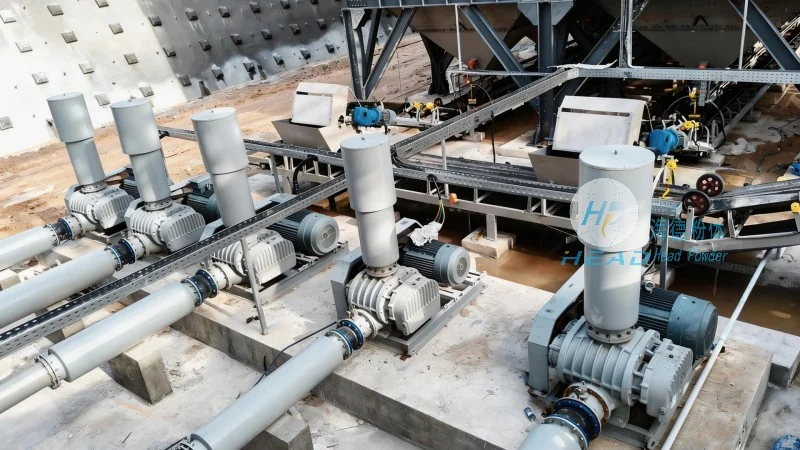
Thirdly, the air compressor provides the necessary pressure and airflow to move the sodium hydroxide powder through the conveying line. The compressor is typically a positive displacement type, such as a rotary screw or reciprocating compressor, which generates the required air pressure to create a flow of material. The air compressor is connected to the conveying line via a filter and regulator to ensure clean and stable air supply. The pressure and flow rate of the air are carefully controlled to match the material's characteristics and the system's design parameters.
Fourthly, the conveying line is the main pathway for transporting the sodium hydroxide powder from the feeder to the receiver. The line is usually made of stainless steel or other corrosion-resistant materials to withstand the chemical properties of sodium hydroxide and prevent contamination. The line may include bends, elbows, and other fittings that are designed to minimize pressure loss and maintain the material's flow. In some systems, the conveying line is equipped with a pulse jet or other cleaning mechanism to remove accumulated powder and prevent blockages.
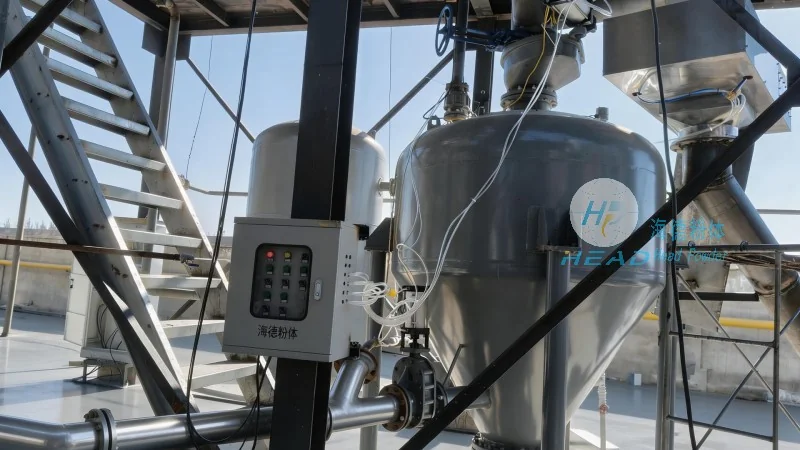
Fifthly, the receiver is the final destination for the sodium hydroxide powder, where it is collected and stored for further processing or use. The receiver is typically a hopper or tank that is connected to the conveying line via a discharge valve or outlet. The receiver is designed to handle the incoming material and prevent spillage or leakage. In some applications, the receiver is equipped with a level indicator or other monitoring device to track the material level and alert operators when it reaches a certain level.
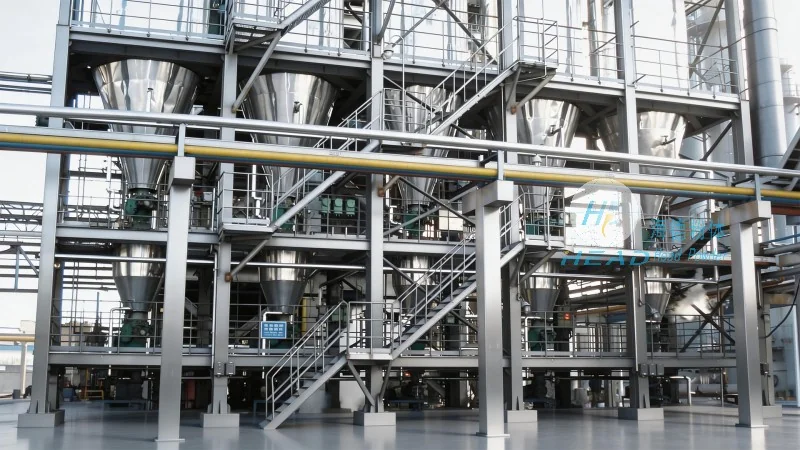
The operation of the sodium hydroxide powder pneumatic conveying system follows a specific sequence of steps to transport the material from the hopper to the receiver. The process begins with the material being fed from the hopper into the feeder at a controlled rate. Simultaneously, the air compressor starts and supplies compressed air to the conveying line. The air and powder are mixed in the feeder or the initial section of the conveying line, creating a slurry or suspension that is then propelled forward by the air pressure.
As the mixture travels through the conveying line, the air pressure and velocity maintain the material in suspension, preventing it from settling or clogging the line. The conveying line's design, including the diameter, length, and fittings, is optimized to minimize pressure drop and ensure efficient material transport. The receiver is positioned at the end of the line, and the material is discharged into it as the air flow continues. The air then passes through the receiver and is typically filtered or treated before being discharged to the atmosphere or recirculated back to the compressor.
The system's performance is influenced by several factors, including the powder's particle size, moisture content, and density, as well as the air pressure and flow rate. Proper system design and maintenance are essential to ensure optimal performance and prevent issues such as blockages, pressure loss, or material degradation. Regular inspection and cleaning of the components, particularly the conveying line and receiver, are necessary to maintain the system's efficiency and longevity.
Shandong HeadPowder Engineering Co., Ltd., commonly known as headpowder, is a leading manufacturer and supplier of pneumatic conveying systems and related equipment. With a strong focus on innovation and quality, the company has established itself as a trusted partner in the chemical processing industry. Headpowder specializes in designing and manufacturing customized pneumatic conveying solutions for various applications, including sodium hydroxide powder handling.
The company's team of experienced engineers and technicians work closely with clients to understand their specific requirements and develop tailored solutions that meet their operational needs. Headpowder's products are manufactured using high-quality materials and advanced technology, ensuring durability, reliability, and compliance with industry standards. The company adheres to strict quality control measures throughout the production process, from material selection to final testing, to deliver products that meet or exceed customer expectations.
Headpowder is committed to providing excellent customer service and support, including installation, commissioning, and maintenance of the pneumatic conveying systems. The company's technical support team is available to assist with any questions or issues that may arise during the system's operation, ensuring that clients receive the necessary guidance and assistance to maximize the system's performance and lifespan.
With its headquarters in Shandong, China, headpowder leverages its local presence and expertise to serve clients both domestically and internationally. The company's commitment to quality, innovation, and customer satisfaction has earned it a reputation as a reliable and trusted supplier in the industry. By providing efficient and reliable sodium hydroxide powder pneumatic conveying systems, headpowder contributes to the smooth operation of its clients' production processes and helps them achieve their business objectives.

 Shandong Headpowder Engineering Co., Ltd.
 156-6277-7102(Manager Zhang)
  0531-83386006
  Zhangqiu District, Jinan City, Shandong Province, China
telephone
WeChatconsult
top