With more than 10‑year industry experience, Shandong Headpowder delivers full‑service pneumatic‑conveying systems and blowers, undertaking nationwide turn‑key powder‑handling projects.
Shandong HeadPowder Engineering Co., Ltd., a leading manufacturer based in Shandong, China, specializes in the design and production of advanced pneumatic conveying systems, including those specifically tailored for handling Polyvinyl Chloride (PVC). This article provides an overview of the PVC pneumatic conveying system, detailing its structural components and operational principles to help users understand its functionality and applications.
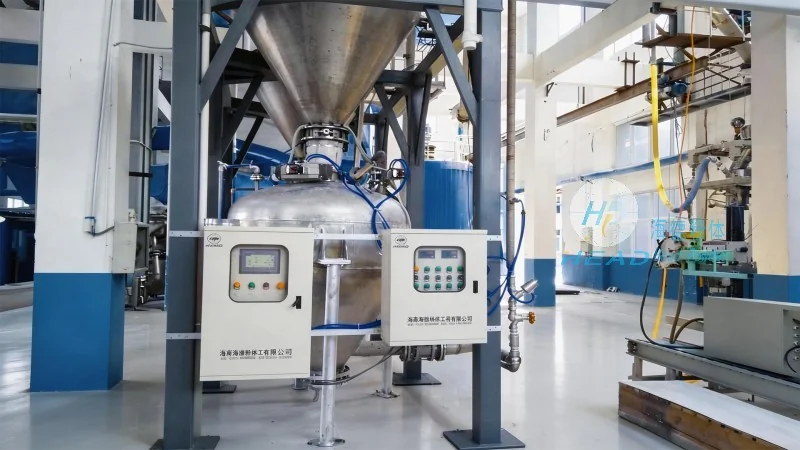
Polyvinyl Chloride (PVC) is a widely used thermoplastic polymer in various industries, such as construction, manufacturing, and packaging. The PVC pneumatic conveying system is designed to transport PVC materials efficiently and safely from one location to another within industrial facilities. This system utilizes air or gas as the conveying medium to move PVC particles through a network of pipes and components, ensuring minimal material degradation and optimal operational performance.
The PVC pneumatic conveying system consists of several critical components that work in tandem to achieve effective material transport. These components include:
1. Air Compressor or Blower: This is the primary power source of the system, responsible for generating the necessary airflow to move PVC particles. The choice of compressor or blower depends on the system's capacity and the specific characteristics of the PVC material being conveyed.
2. Feeder Unit: The feeder unit is responsible for feeding PVC material into the conveying line. It ensures a consistent and controlled flow of material, preventing blockages and maintaining system efficiency. Different types of feeders, such as rotary valves or screw feeders, may be used based on the material's properties and the required flow rate.
3. Piping Network: The piping network forms the backbone of the conveying system, consisting of pipes of varying diameters and lengths. The design of the piping system is crucial to minimize pressure losses and ensure smooth material flow. Specialized fittings, such as elbows, tees, and bends, are used to direct the material along the desired path.
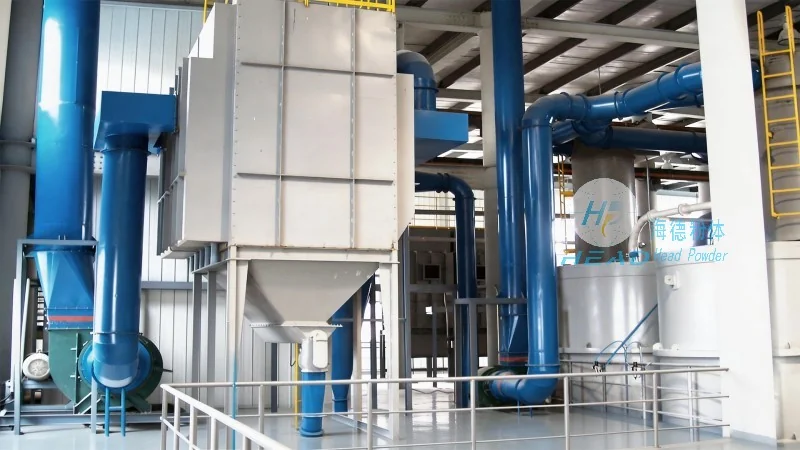
4. Separation and Collection Equipment: At the receiving end of the system, separation and collection equipment is used to separate the conveyed PVC material from the air stream. This may include cyclones, filters, or dust collectors, which help in recovering the material and maintaining air quality.
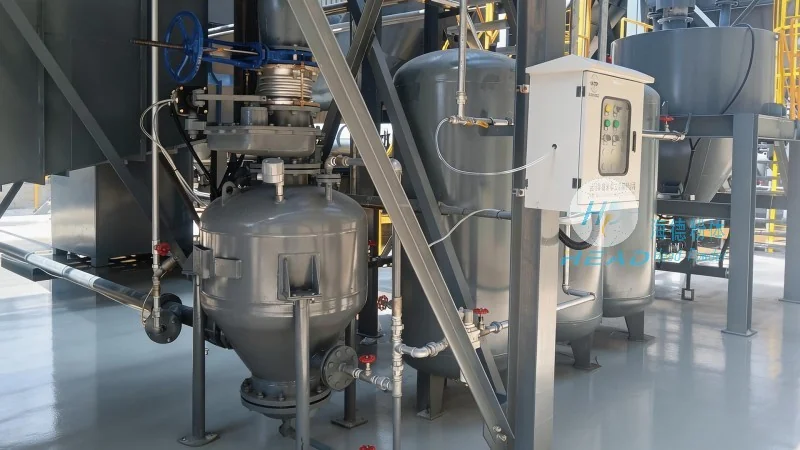
5. Control System: The control system monitors and regulates the operation of the pneumatic conveying system. It includes sensors, valves, and control panels that allow operators to adjust parameters such as airflow, pressure, and material feed rate, ensuring optimal performance and safety.
The operation of the PVC pneumatic conveying system is based on the principle of fluidization and suspension of the material particles in the air stream. When the air compressor or blower generates airflow, it creates a pressure differential that propels the PVC particles through the piping network. The material is suspended in the air as it moves, preventing it from settling or sticking to the pipe walls. The system's design ensures that the material is transported at a consistent velocity, minimizing the risk of material degradation due to friction or impact.
During the conveying process, the air and PVC particles travel through the piping system until they reach the receiving equipment. The separation equipment then uses centrifugal force or filtration to separate the material from the air, allowing the material to be collected in a designated container. The air, now clean of particles, is either recirculated back into the system or discharged to the atmosphere, depending on the system's configuration.
Implementing a PVC pneumatic conveying system offers several advantages over traditional material handling methods. These include:
1. Efficiency and Speed: The system allows for rapid and continuous material transport, reducing handling time and increasing overall production efficiency.
2. Reduced Labor Costs: By automating the material handling process, the system minimizes the need for manual labor, leading to lower operational costs.
3. Minimal Material Degradation: The enclosed system and controlled airflow help prevent material from being damaged due to friction, impact, or exposure to the environment.
4. Improved Safety: The system eliminates the need for manual handling of bulk materials, reducing the risk of accidents and improving workplace safety.
5. Space Efficiency: The compact design of the system allows for installation in limited spaces, making it suitable for various industrial settings.
PVC pneumatic conveying systems are widely used in industries that handle PVC materials, including:
1. Construction Materials Manufacturing: In the production of PVC pipes, sheets, and other construction products, the system is used to transport raw materials and finished products.
2. Packaging Industry: For the manufacturing of PVC packaging films and containers, the system facilitates the transport of raw PVC resin and finished products.
3. Chemical Manufacturing: In the production of PVC compounds and additives, the system is used to handle PVC powders and granules.
4. Plastic Processing Plants: The system is employed in plastic processing facilities to transport PVC materials between processing stages, such as extrusion and molding.
Shandong HeadPowder Engineering Co., Ltd. provides high-quality PVC pneumatic conveying systems that are designed to meet the specific needs of various industrial applications. By understanding the structural components and working principles of these systems, users can make informed decisions about implementing efficient and reliable material handling solutions. The company's expertise in engineering and manufacturing ensures that its products are tailored to deliver optimal performance and durability, supporting the smooth operation of industrial processes.

 Shandong Headpowder Engineering Co., Ltd.
 156-6277-7102(Manager Zhang)
  0531-83386006
  Zhangqiu District, Jinan City, Shandong Province, China
telephone
WeChatconsult
top