With more than 10‑year industry experience, Shandong Headpowder delivers full‑service pneumatic‑conveying systems and blowers, undertaking nationwide turn‑key powder‑handling projects.
Carbon additive powder pneumatic conveying systems are essential equipment in industrial processes, particularly in the manufacturing and processing of carbon additives. These systems are designed to efficiently transport fine powder materials like carbon additives from one location to another, ensuring consistent flow and minimal material loss. The technology behind these systems combines pneumatic principles with specialized engineering to achieve reliable and efficient material handling.
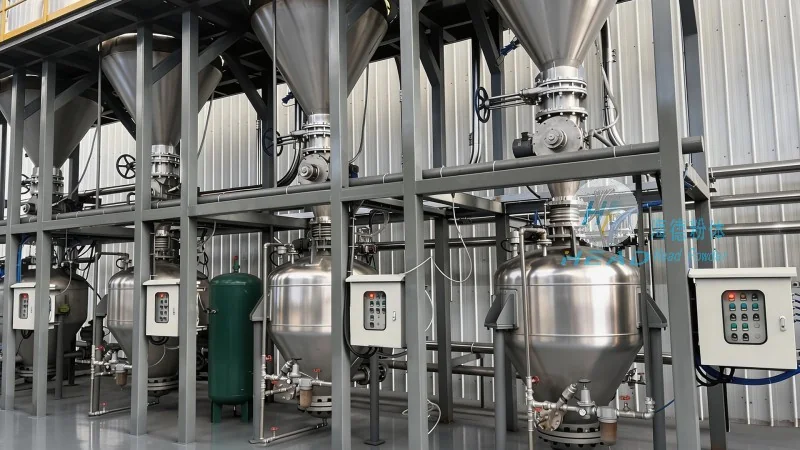
The core components of a carbon additive powder pneumatic conveying system typically include a hopper for material storage, a feeder to control the flow rate of the powder, a conveying pipeline, a compressor or blower to generate the air flow, and a receiver for the discharged material. Each component plays a critical role in the overall operation of the system. The hopper is usually equipped with a lid and a discharge valve to prevent dust accumulation and maintain material integrity. The feeder, often a rotary valve or a screw feeder, regulates the amount of powder entering the pipeline, ensuring a steady flow that matches the system's capacity. The conveying pipeline is made of durable materials such as stainless steel or plastic, designed to withstand the abrasive nature of carbon additives and the pressure of the air flow. The compressor or blower provides the necessary air pressure and volume to move the powder through the pipeline. Finally, the receiver collects the conveyed material, typically with a dust collection system to minimize environmental impact and maintain air quality.
The operation of a carbon additive powder pneumatic conveying system is based on the principle of air movement and particle suspension. When the system is activated, the feeder releases a controlled amount of carbon additive powder into the conveying pipeline. Simultaneously, the compressor generates a high-pressure air stream that travels through the pipeline. The air flow creates a negative pressure or a positive pressure environment, depending on the system design, which lifts and transports the powder particles. The powder particles are suspended in the air stream and carried along the pipeline to the receiver. The velocity of the air flow is crucial; it must be sufficient to keep the powder particles airborne but not so high as to cause excessive wear on the pipeline or equipment. The system may also incorporate features such as pulse-jet or rotary valve controls to optimize the flow and prevent blockages. The entire process is automated, allowing for continuous operation and precise control over the material flow rate and destination.
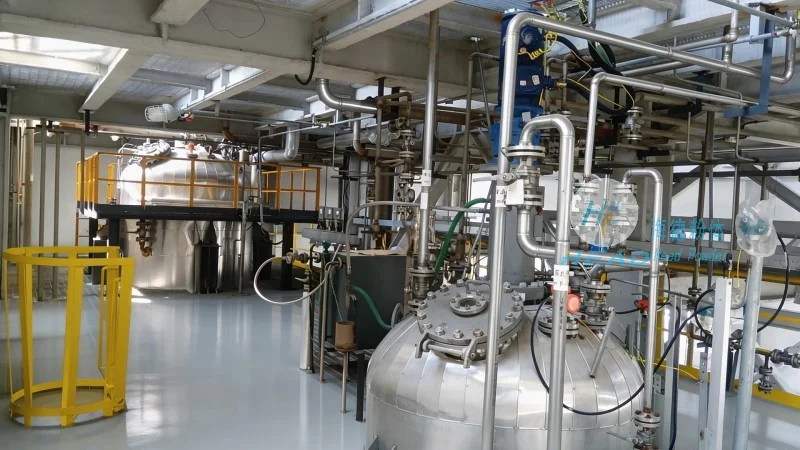
Implementing a pneumatic conveying system for carbon additive powders offers several advantages over traditional methods like belt conveyors or manual handling. Firstly, it provides a dust-free and enclosed environment, which enhances workplace safety and reduces the risk of dust explosions. Secondly, the system minimizes material degradation and loss, as the powder is contained within the pipeline and handled gently. Thirdly, it allows for precise control over the flow rate and direction of the material, ensuring consistent quality in the final product. Additionally, pneumatic conveying systems are flexible and can be easily integrated into existing production lines, adapting to changes in production volume or material types. The compact design of these systems also saves space in industrial facilities, making them suitable for both large-scale and small-scale operations.
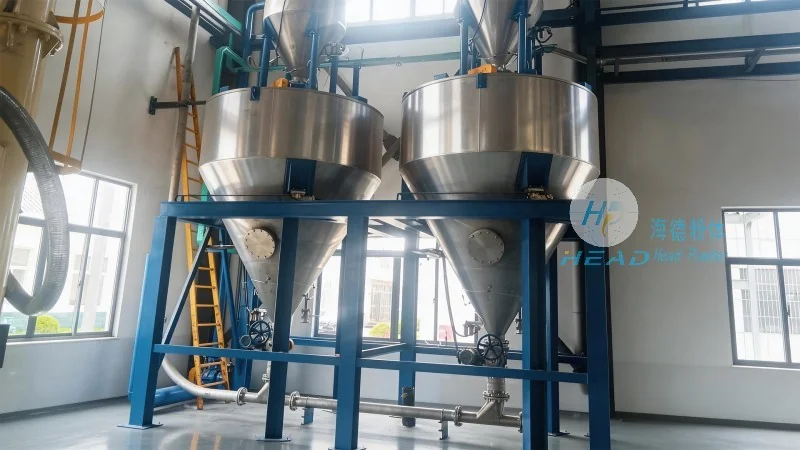
Carbon additive powder pneumatic conveying systems are widely used in various industrial applications where fine powder materials are involved. In the steel and iron industry, these systems are crucial for transporting carbon additives to blast furnaces and other processing equipment. The consistent supply of carbon additives ensures the quality and efficiency of the steel production process. In the battery manufacturing industry, pneumatic conveying systems are used to transport carbon additives for battery electrodes, maintaining the uniformity and performance of the final battery products. Other applications include the chemical industry, where carbon additives are used as catalysts or fillers, and the pharmaceutical industry, where controlled handling of powders is essential for product safety and quality. The versatility of these systems makes them suitable for a wide range of industries that require reliable and efficient powder handling solutions.
To ensure the longevity and optimal performance of a carbon additive powder pneumatic conveying system, regular maintenance is essential. This includes inspecting and cleaning the hopper and feeder to prevent material buildup and blockages, checking the compressor or blower for proper air pressure and flow, and maintaining the conveying pipeline for any signs of wear or damage. Regular lubrication of moving parts and replacement of worn components are also necessary to prevent system failures. Operational considerations include monitoring the flow rate and pressure within the system to detect any abnormalities, such as reduced flow or increased pressure, which may indicate a blockage or other issues. Proper training of operators on the system's operation and maintenance is also critical to ensure safe and efficient use. By following these maintenance and operational guidelines, the system can operate reliably for extended periods, providing consistent performance and minimizing downtime.

 Shandong Headpowder Engineering Co., Ltd.
 156-6277-7102(Manager Zhang)
  0531-83386006
  Zhangqiu District, Jinan City, Shandong Province, China
telephone
WeChatconsult
top