With more than 10‑year industry experience, Shandong Headpowder delivers full‑service pneumatic‑conveying systems and blowers, undertaking nationwide turn‑key powder‑handling projects.
Chloroprene rubber, also known as neoprene, is a synthetic polymer widely used in industrial applications due to its excellent resistance to oil, chemicals, and weathering. The pneumatic conveying system for chloroprene rubber material is a critical piece of equipment designed to transport this material efficiently and safely from one location to another within industrial facilities. This system is essential for maintaining production continuity and ensuring the material reaches its intended processing or storage areas without degradation or loss. Developed by Shandong HeadPowder Engineering Co., Ltd., the system is engineered to handle the specific properties of chloroprene rubber, such as its density, particle size, and tendency to agglomerate, which can affect the conveying process.
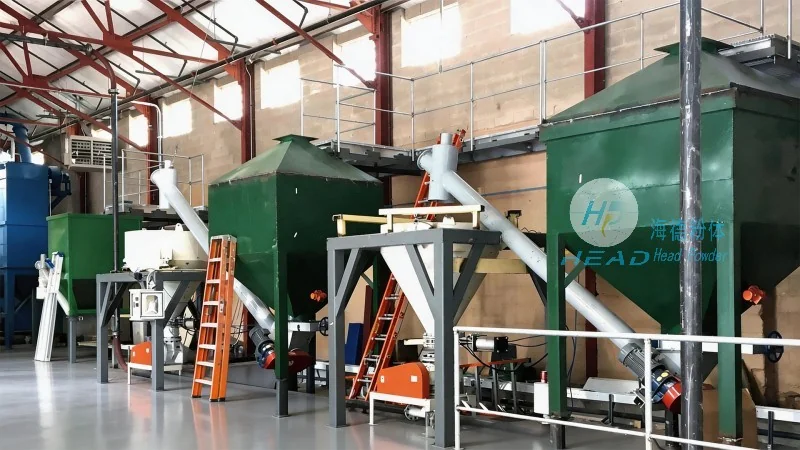
The pneumatic conveying system for chloroprene rubber material typically consists of several key components, including a hopper for material storage, a rotary valve or feeder to control the flow of material, a conveying pipeline, a blower or air compressor to generate the air flow, and a receiver or discharge hopper at the destination. Each component plays a vital role in the overall operation, ensuring that the material is transported in a controlled and efficient manner. The system is engineered to handle the specific properties of chloroprene rubber, such as its density, particle size, and tendency to agglomerate, which can affect the conveying process.
The core principle of the pneumatic conveying system is the use of air to move the material through a pipeline. In a typical system, the material is first loaded into the hopper and then fed into the conveying pipeline by the rotary valve. The blower then generates a high-pressure air stream that propels the material particles forward. As the material travels through the pipeline, it is suspended and carried by the air flow, which helps to prevent material degradation and blockages. The air and material mixture then reaches the receiver at the end of the pipeline, where the material is separated from the air and collected. The air is then typically filtered and recycled back into the system to conserve energy and reduce environmental impact.
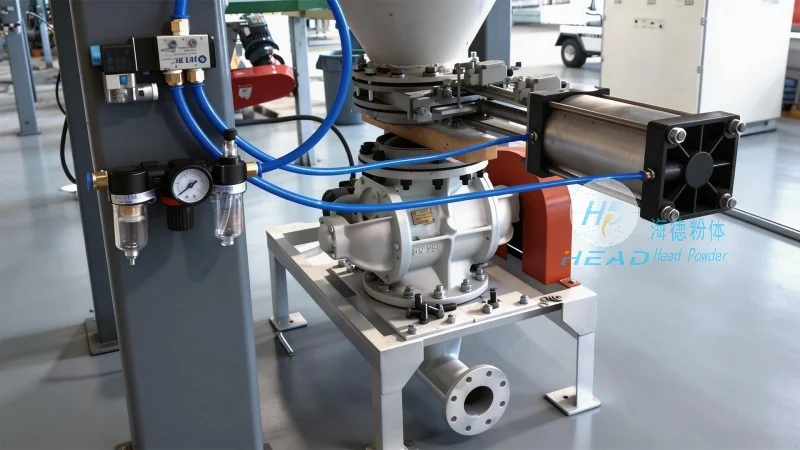
The operation process of the chloroprene rubber material pneumatic conveying system involves several sequential steps that ensure smooth and continuous material transport. First, the material is loaded into the hopper, and the system is started by activating the blower. The rotary valve then begins to feed the material into the conveying pipeline at a controlled rate. The air flow generated by the blower creates a vacuum or pressure differential that moves the material through the pipeline. As the material is conveyed, it is monitored for any blockages or irregularities, and adjustments are made to the feeder or air flow as needed to maintain optimal operation. Upon reaching the receiver, the material is discharged and collected, completing the transport cycle. The system may also include safety features, such as pressure relief valves and dust collection systems, to protect against overpressure and dust emissions.
Several factors are crucial for the efficient and reliable operation of the chloroprene rubber material pneumatic conveying system. Proper material handling is essential, as chloroprene rubber can be prone to agglomeration, which may require the use of a de-agglomerator or additional air flow to maintain particle suspension. The design of the conveying pipeline, including the diameter and length, must be optimized to minimize pressure drop and energy consumption. Regular maintenance of the system components, such as the blower, rotary valve, and filters, is also important to prevent downtime and ensure long-term performance. Additionally, the system should be equipped with monitoring and control systems to allow for real-time adjustments and troubleshooting.
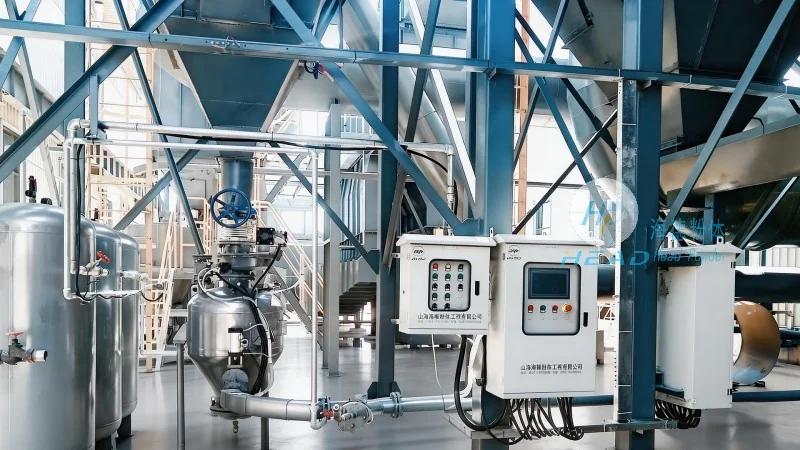
The pneumatic conveying system for chloroprene rubber material is widely used in various industrial applications, including the rubber and plastics manufacturing industries. Its primary benefits include the ability to transport material over long distances without the need for mechanical components, which reduces maintenance costs and improves safety. The system also helps to minimize material contamination and degradation, as the material is enclosed within the pipeline and protected from external factors. Furthermore, the system can be integrated with other processing equipment, such as mixers and extruders, to streamline production processes and improve overall efficiency.
In conclusion, the pneumatic conveying system for chloroprene rubber material is a sophisticated and essential piece of equipment that plays a critical role in industrial material handling. By understanding the working principle and operation process of this system, users can ensure optimal performance, efficiency, and safety. The system's design and components are tailored to the specific properties of chloroprene rubber, making it an effective solution for transporting this material in various industrial settings. With proper maintenance and operation, the system can provide reliable and continuous material transport, contributing to the overall productivity and success of industrial operations.

 Shandong Headpowder Engineering Co., Ltd.
 156-6277-7102(Manager Zhang)
  0531-83386006
  Zhangqiu District, Jinan City, Shandong Province, China
telephone
WeChatconsult
top