With more than 10‑year industry experience, Shandong Headpowder delivers full‑service pneumatic‑conveying systems and blowers, undertaking nationwide turn‑key powder‑handling projects.
HeadPowder Engineering Co., Ltd., a leading provider in Shandong, China, specializes in the design, manufacturing, and implementation of advanced pneumatic conveying systems tailored for corn cob materials. These systems are engineered to efficiently transport corn cob, a byproduct commonly used in animal feed and biofuel production, from storage silos or processing units to various destinations such as silos, storage bins, or processing lines. The following content outlines the operational process and underlying principles of these systems, highlighting their efficiency, reliability, and suitability for handling corn cob materials.
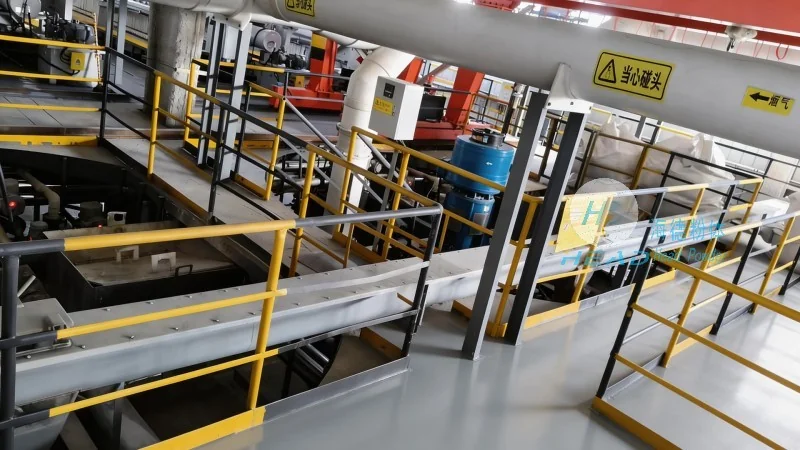
HeadPowder Engineering Co., Ltd. is a reputable company based in Shandong, China, dedicated to delivering high-quality pneumatic conveying solutions. With years of industry experience, the company has established itself as a trusted partner for businesses requiring efficient material handling systems. The company's expertise lies in customizing pneumatic conveying systems to meet the specific needs of clients, ensuring optimal performance and durability in handling diverse materials like corn cob.
The core principle of pneumatic conveying systems involves the use of air or gas to transport solid materials through a pipeline. In the case of corn cob material, the system typically operates by creating a pressure differential between the inlet and outlet of the conveying line. This is achieved through a combination of positive pressure (where air is blown into the system) or negative pressure (where air is drawn out). The corn cob particles are suspended in the air stream and propelled through the pipeline to the desired location. The system utilizes components such as feeders, air movers (blowers or fans), conveying lines, and control valves to regulate the flow and ensure smooth material transport.
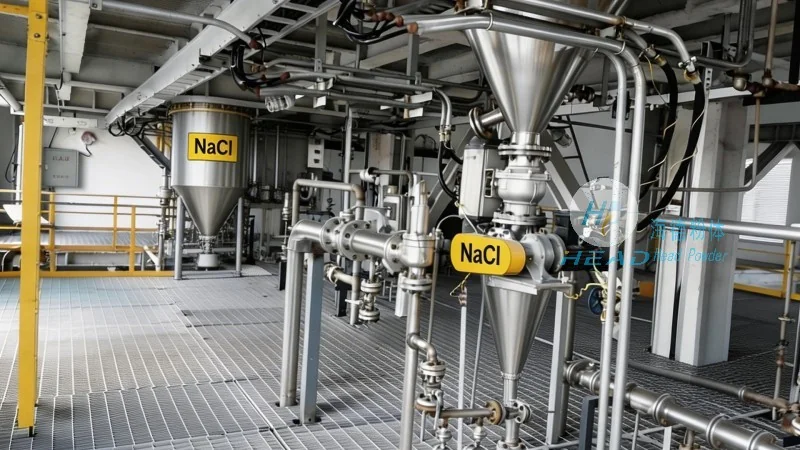
The operation of a corn cob pneumatic conveying system follows a systematic sequence to ensure efficient material handling. First, the corn cob is fed into the system via a hopper or feeder, which ensures a consistent and controlled flow of material. The feeder then transfers the corn cob into the conveying line, where it is mixed with the air stream generated by the air mover. The air mover, typically a high-efficiency blower, provides the necessary pressure to move the corn cob through the pipeline. As the material travels through the line, it passes through various sections, including bends, expansions, and filters, which are designed to maintain the integrity of the material and prevent blockages. The system is equipped with control mechanisms that allow operators to adjust the air pressure, flow rate, and material feed rate to optimize performance and prevent system overload. Finally, the corn cob is discharged at the destination point, such as a storage silo or processing unit, completing the conveying process.
Several critical components work in tandem to ensure the smooth operation of corn cob pneumatic conveying systems. The feed hopper or feeder is responsible for storing and feeding the corn cob into the system, maintaining a consistent material flow. The air mover, or blower, generates the air pressure required to transport the material, with options including positive pressure blowers and vacuum pumps depending on the system design. The conveying lines, usually made of durable materials like stainless steel or plastic, are designed to withstand the pressure and abrasion from the corn cob particles. Control valves and regulators are used to adjust the air pressure and flow rate, ensuring the system operates within safe and efficient parameters. Additionally, filters and cyclones are incorporated to separate the corn cob from the air stream, preventing material buildup and maintaining system cleanliness.
Pneumatic conveying systems offer several advantages when handling corn cob materials. These systems provide a dust-free and hygienic method of material transport, which is crucial for maintaining the quality of corn cob used in animal feed and biofuel applications. The enclosed pipeline design prevents contamination from external sources and reduces the risk of material loss or spillage. Additionally, pneumatic conveying systems are highly flexible, allowing for the transportation of corn cob over long distances and to multiple destinations from a single source. The systems are also energy-efficient compared to traditional methods like belt conveyors or bucket elevators, reducing operational costs and environmental impact. Furthermore, the enclosed nature of the system minimizes the risk of dust explosions, enhancing workplace safety.
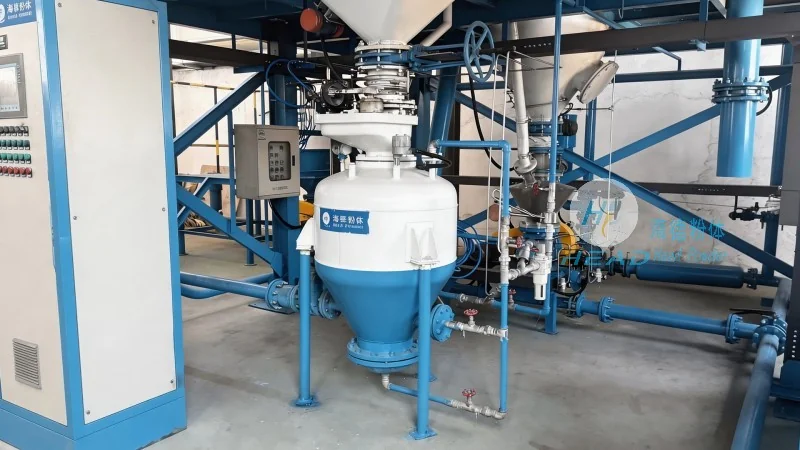
Corn cob pneumatic conveying systems are widely used in various industries that utilize corn cob as a raw material. These include the animal feed industry, where corn cob is processed into feed pellets or used as a bedding material. The biofuel industry also relies on corn cob for producing bioethanol or biogas, requiring efficient transport from processing units to storage facilities. Additionally, the agricultural and food processing sectors benefit from these systems in handling corn cob for various applications, such as in the production of corn cob-based products or as a byproduct in corn processing plants. HeadPowder Engineering Co., Ltd. has successfully implemented these systems in numerous projects across China and internationally, demonstrating their versatility and effectiveness in meeting the material handling needs of different industries.
HeadPowder Engineering Co., Ltd. continues to be a leader in providing advanced pneumatic conveying solutions for corn cob materials. The company's expertise in designing and manufacturing customized systems ensures that clients receive solutions tailored to their specific operational requirements. By leveraging the operational process and working principles outlined above, HeadPowder Engineering Co., Ltd. delivers reliable and efficient systems that enhance productivity, reduce operational costs, and ensure the quality of corn cob materials. The company's commitment to quality, innovation, and customer satisfaction has made it a preferred choice for businesses seeking to optimize their material handling processes. For more information on corn cob pneumatic conveying systems and other material handling solutions, please contact HeadPowder Engineering Co., Ltd. based in Shandong, China.

 Shandong Headpowder Engineering Co., Ltd.
 156-6277-7102(Manager Zhang)
  0531-83386006
  Zhangqiu District, Jinan City, Shandong Province, China
telephone
WeChatconsult
top