With more than 10‑year industry experience, Shandong Headpowder delivers full‑service pneumatic‑conveying systems and blowers, undertaking nationwide turn‑key powder‑handling projects.
Bentonite, a natural clay material widely used in various industrial applications, often requires efficient and reliable transportation methods to ensure smooth production processes. Pneumatic conveying systems offer an effective solution for handling bentonite, providing a dust-free and continuous transport method. This article explores the operation process and working principles of bentonite material pneumatic conveying, highlighting the key components and mechanisms involved in the process.
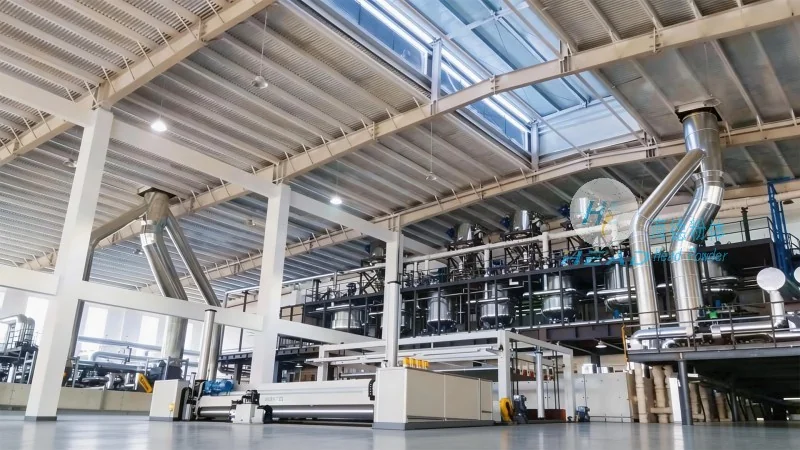
HeadPowder, a leading provider in the field of material handling solutions, specializes in designing and manufacturing advanced pneumatic conveying systems tailored to meet the specific needs of industrial clients. With a strong commitment to quality and innovation, the company has established itself as a trusted partner for businesses operating in sectors such as mining, construction, and chemical processing. HeadPowder's headquarters is located in Shandong, China, where the company leverages its expertise to deliver cutting-edge solutions for material transport challenges.
The operation of a bentonite pneumatic conveying system typically involves several key steps, each designed to ensure efficient material transport from the source to the destination. The process begins with the loading of bentonite into the hopper or storage silo. From there, the material is drawn into the conveying line through the action of a positive or negative pressure system. In a positive pressure system, a blower or compressor generates air pressure that forces the material through the pipeline, while a negative pressure system uses a vacuum to draw the material into the line. The conveying line is equipped with various components, including elbows, bends, and filters, to ensure smooth flow and prevent blockages. At the receiving end, the bentonite is deposited into a container or storage vessel, completing the transport cycle.
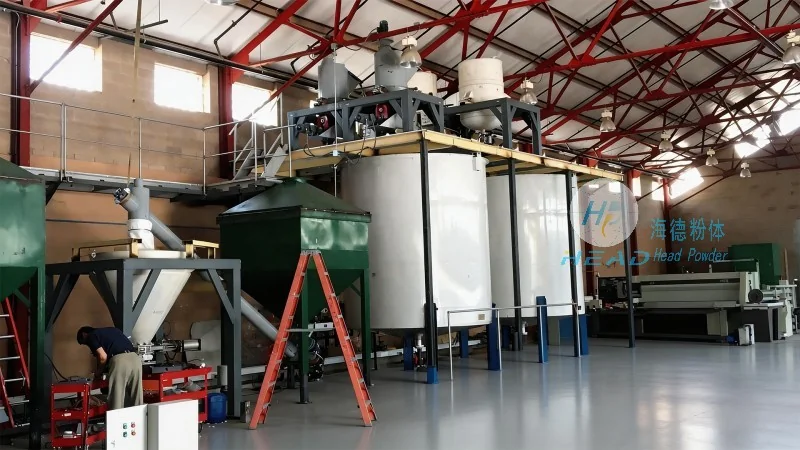
The working principle of bentonite pneumatic conveying relies on the interaction between the material particles and the air stream. In the system, the bentonite particles are suspended in the air as it flows through the pipeline. The velocity of the air is critical, as it must be sufficient to keep the particles in suspension and prevent them from settling or clogging the line. The system's design, including the size of the pipeline, the type of air flow (positive or negative), and the material's properties, all contribute to the overall efficiency and effectiveness of the conveying process. Advanced control systems are often integrated into the system to monitor and adjust the air pressure and flow rate, ensuring optimal performance and preventing operational issues.
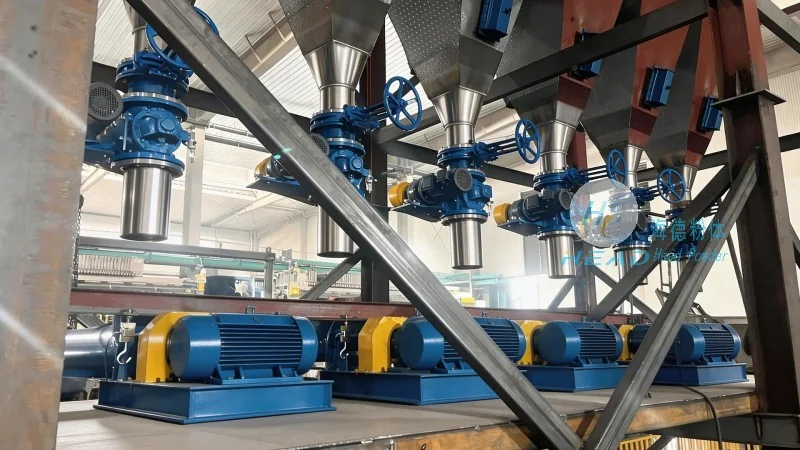
Several essential components make up a bentonite pneumatic conveying system, each playing a crucial role in the overall operation. The primary components include the hopper or storage silo, which holds the bentonite material; the air supply unit, such as a blower or compressor, which generates the necessary air pressure; the conveying pipeline, which transports the material; and the receiving hopper or container, where the material is deposited. Additional components may include filters to remove dust and debris from the air stream, check valves to prevent backflow, and pressure relief valves to maintain system safety. The design and selection of these components are critical to the system's performance and longevity, and HeadPowder ensures that all components are of high quality and tailored to the specific requirements of the application.
Bentonite pneumatic conveying systems are widely used in various industries due to their efficiency and versatility. Common applications include the transport of bentonite in mining operations, where it is used as a drilling fluid additive; in construction, where it is used as a soil stabilizer; and in chemical processing, where it is used as a filter aid or adsorbent. The advantages of pneumatic conveying over traditional methods, such as belt conveyors or trucks, include reduced dust exposure, improved safety, and the ability to transport materials over long distances without the need for intermediate storage. Additionally, the system can be easily integrated into existing production lines, making it a cost-effective solution for many industrial applications.

 Shandong Headpowder Engineering Co., Ltd.
 156-6277-7102(Manager Zhang)
  0531-83386006
  Zhangqiu District, Jinan City, Shandong Province, China
telephone
WeChatconsult
top