With more than 10‑year industry experience, Shandong Headpowder delivers full‑service pneumatic‑conveying systems and blowers, undertaking nationwide turn‑key powder‑handling projects.
HeadPowder, a leading manufacturer based in Shandong, China, specializes in the design and production of advanced automatic powder feeding pneumatic conveying equipment. This equipment is engineered to efficiently transport bulk powders over long distances with minimal human intervention, ensuring high precision and reliability in industrial applications.
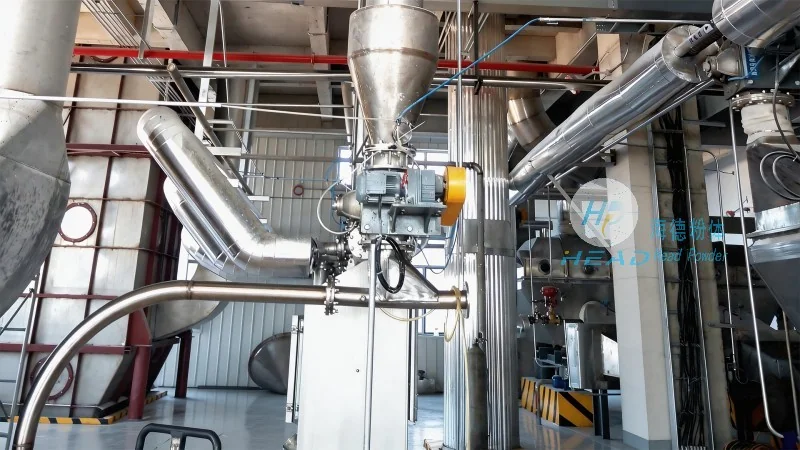
The automatic powder feeding pneumatic conveying system is a sophisticated solution that integrates modern engineering principles to handle various types of powders, including fine particles, granules, and bulk materials. The system operates by utilizing air pressure to move materials through a network of pipes, eliminating the need for mechanical components that might cause wear and tear or contamination. This design enhances the overall efficiency and durability of the conveying process.
The equipment comprises several critical components, each playing a vital role in the smooth operation of the system. The main components include the hopper for material storage, the feeder to control the flow rate, the air compressor to generate the necessary pressure, and the conveying pipes that transport the powder. The hopper is designed with a smooth interior to prevent material buildup and ensure consistent feeding. The feeder, often a rotary valve or a screw feeder, regulates the amount of powder released into the system, maintaining a stable flow rate. The air compressor provides the high-pressure air required to create the airflow that propels the powder through the pipes. The conveying pipes are typically made of stainless steel or other corrosion-resistant materials to withstand the abrasive nature of the powders and the pressure of the air.
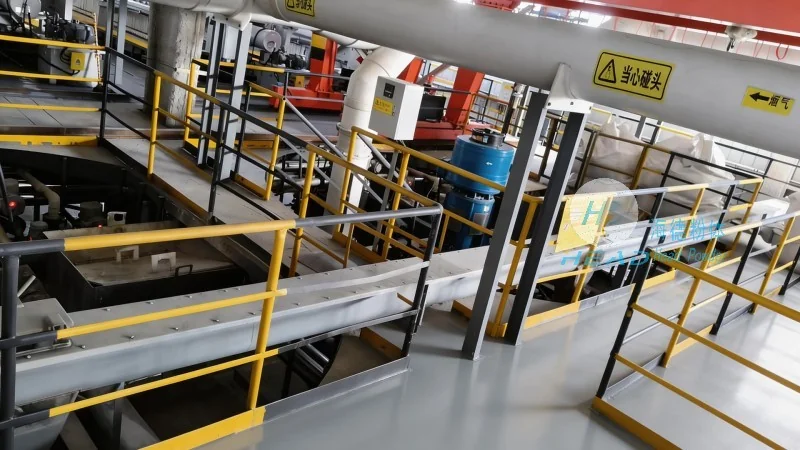
The operation of the automatic powder feeding pneumatic conveying equipment follows a systematic process. Initially, the bulk powder is loaded into the hopper. The feeder then controls the discharge rate, ensuring a steady supply of material. Simultaneously, the air compressor generates high-pressure air, which is introduced into the conveying line. As the air flows through the pipes, it creates a negative pressure zone that draws the powder particles into the airflow. The powder is then carried along the pipes by the air current, reaching the destination point. At the receiving end, the powder is deposited into a container or a processing unit. The system can operate in both positive and negative pressure modes, depending on the specific requirements of the application. Positive pressure systems push the powder forward using compressed air, while negative pressure systems create a vacuum to pull the powder from the source to the destination.
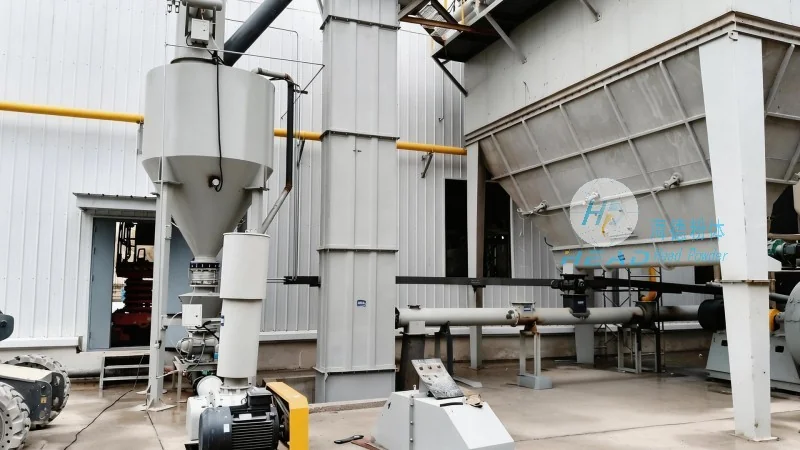
The operation of the automatic powder feeding pneumatic conveying system involves several key steps. First, the hopper is filled with the desired powder material. The feeder is then adjusted to set the appropriate flow rate based on the production needs. The air compressor is started, and the pressure is monitored to ensure it meets the system's requirements. Once the system is pressurized, the feeder begins to release the powder into the conveying line. The powder is then transported to the receiving point, where it is collected. The system continuously monitors the flow rate and pressure to maintain optimal performance. Any adjustments to the flow rate or pressure are made as needed to ensure consistent operation. The entire process is automated, reducing the need for manual intervention and minimizing the risk of errors or inefficiencies.
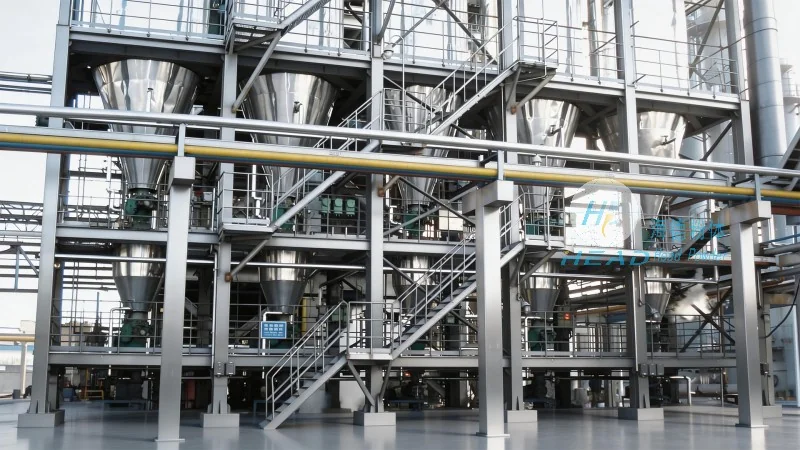
Implementing an automatic powder feeding pneumatic conveying system offers numerous advantages for industrial operations. One of the primary benefits is the high efficiency in material handling, as the system can transport large quantities of powder over long distances with minimal energy consumption. The automated nature of the equipment reduces labor costs and improves safety by minimizing human exposure to the material and the conveying process. Additionally, the system's design ensures minimal product contamination, as it operates in a closed environment, preventing dust and particles from escaping into the air. The equipment also provides precise control over the flow rate, allowing for accurate dosing and consistent product quality. Furthermore, the system's durability and low maintenance requirements contribute to long-term cost savings and operational reliability.
The automatic powder feeding pneumatic conveying equipment is widely used across various industries due to its versatility and efficiency. In the pharmaceutical industry, it is used to transport active pharmaceutical ingredients (APIs) and other powders with high purity requirements, ensuring that the materials remain uncontaminated and meet stringent quality standards. In the food and beverage industry, the system is employed to handle powders such as flour, sugar, and spices, maintaining the freshness and quality of the products. The chemical industry utilizes the equipment to transport bulk chemicals, including powders and granules, in a controlled and safe manner. In the cement and construction industry, the system is used to convey raw materials and finished products, improving the efficiency of production lines. The equipment's adaptability to different materials and applications makes it a valuable asset in many industrial settings.

 Shandong Headpowder Engineering Co., Ltd.
 156-6277-7102(Manager Zhang)
  0531-83386006
  Zhangqiu District, Jinan City, Shandong Province, China
telephone
WeChatconsult
top