With more than 10‑year industry experience, Shandong Headpowder delivers full‑service pneumatic‑conveying systems and blowers, undertaking nationwide turn‑key powder‑handling projects.
Efficient material handling is a critical aspect of modern industrial operations, particularly when dealing with dry powders and granular materials like sand. Pneumatic conveying systems have emerged as a reliable and versatile solution for transporting such materials over short to medium distances. In this context, the operation process and working principle of dry sand powder pneumatic conveying systems are essential to understand for optimizing production efficiency and ensuring safe material transfer.
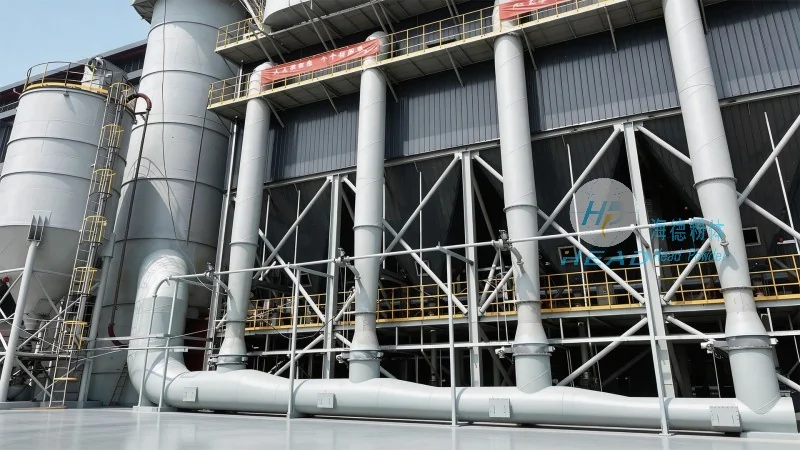
At Shandong HeadPowder Engineering Co., Ltd., we specialize in the design, manufacturing, and implementation of advanced pneumatic conveying solutions tailored to the unique needs of various industries. With our headquarters located in Shandong, China, our team of experienced engineers and technicians leverages cutting-edge technology and industry best practices to deliver high-performance systems that meet stringent operational requirements. Our commitment to quality and customer satisfaction has established us as a trusted partner in the field of material handling equipment.
The core components of a dry sand powder pneumatic conveying system include the material hopper, feeder, air compressor, conveying pipeline, separation unit, and control system. Each component plays a vital role in the overall operation, ensuring smooth and continuous material transfer. The material hopper serves as the storage and feeding point, where dry sand is loaded and prepared for transport. The feeder, typically a rotary valve or screw feeder, regulates the flow rate of the material into the system, maintaining consistent pressure and preventing blockages. The air compressor generates the necessary airflow and pressure to propel the material through the pipeline. The conveying pipeline, often made of stainless steel or other corrosion-resistant materials, transports the material and air mixture from the feeder to the separation unit. The separation unit, such as a cyclone or bag filter, separates the material from the air, allowing the material to be discharged and the air to be filtered and recycled. The control system monitors and adjusts the operation of the system, ensuring optimal performance and safety.

The operation process of a dry sand powder pneumatic conveying system involves several sequential steps that ensure efficient material transfer. First, the dry sand is loaded into the material hopper from a bulk storage or processing unit. The feeder then regulates the flow of sand into the system, controlling the amount of material entering the pipeline. Simultaneously, the air compressor starts and generates the required airflow and pressure. The compressed air, combined with the sand particles, is then introduced into the conveying pipeline. As the air flows through the pipeline, it propels the sand particles forward, creating a dense phase or dilute phase flow depending on the system design. The material travels through the pipeline to the separation unit, where the air and sand are separated. The separated sand is collected in a discharge bin or container, while the air is filtered and returned to the system or released to the atmosphere. The control system continuously monitors the pressure, flow rate, and other parameters, adjusting the operation as needed to maintain optimal performance. This process repeats continuously, allowing for the uninterrupted transport of dry sand over the desired distance.
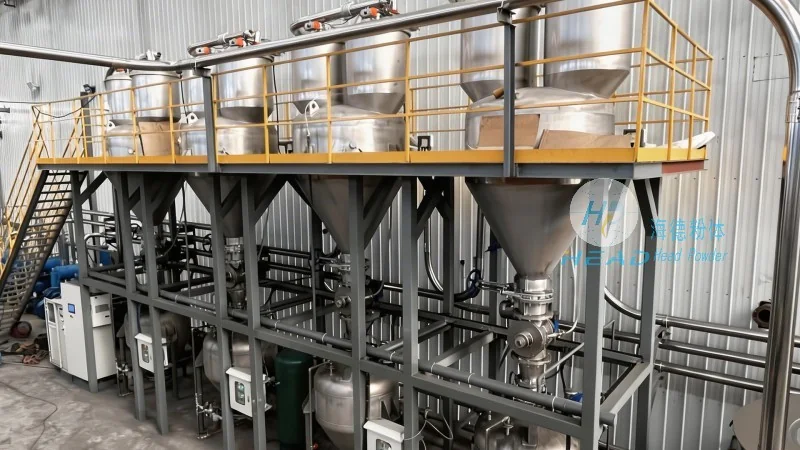
The working principle of a dry sand powder pneumatic conveying system is based on the use of compressed air to transport dry materials. The system operates by creating a pressure differential between the material hopper and the separation unit. The air compressor generates high-pressure air, which is introduced into the conveying pipeline. As the air flows through the pipeline, it creates a low-pressure zone at the inlet of the pipeline, drawing the dry sand particles into the air stream. The air and sand mixture then travels through the pipeline, with the air providing the necessary momentum to move the sand particles. The separation unit uses centrifugal force or other mechanisms to separate the sand from the air. In a cyclone separator, for example, the air and sand mixture enters the cyclone at high speed, causing the sand particles to be forced to the outer wall due to centrifugal force. The sand then slides down the wall and is collected at the bottom, while the air continues to the top and is discharged or filtered. The separated air is then either recycled back into the system or vented to the atmosphere, depending on the system design. This principle allows for the efficient and reliable transport of dry sand without the need for mechanical components like belts or buckets, reducing maintenance and increasing operational efficiency.
Dry sand powder pneumatic conveying systems offer several advantages over traditional mechanical conveying methods. One of the primary benefits is the ability to transport materials over long distances with minimal loss or degradation. The enclosed pipeline system prevents contamination from external sources and maintains the quality of the material. Additionally, pneumatic conveying systems are less prone to blockages and clogging compared to mechanical systems, as the air flow helps to keep the material moving and prevent agglomeration. The systems also offer flexibility in terms of layout and installation, as the pipeline can be configured to follow the existing plant layout or be installed in new configurations. Furthermore, pneumatic conveying systems are more energy-efficient than some mechanical systems, as the air compressor can be sized to match the exact requirements of the system, reducing energy waste. Finally, the systems are relatively low-maintenance, as there are fewer moving parts compared to mechanical systems, and the components are designed for long-term durability.

 Shandong Headpowder Engineering Co., Ltd.
 156-6277-7102(Manager Zhang)
  0531-83386006
  Zhangqiu District, Jinan City, Shandong Province, China
telephone
WeChatconsult
top