

Operation Process and Working Principle of Condiment Material Conveying System Equipment
HeadPowder, a leading manufacturer based in Shandong, China, specializes in the design, development, and production of advanced condiment material conveying system equipment. This article provides a detailed overview of the operational process and working principles of such systems, highlighting the key components and mechanisms that ensure efficient and reliable material handling in various industrial applications.
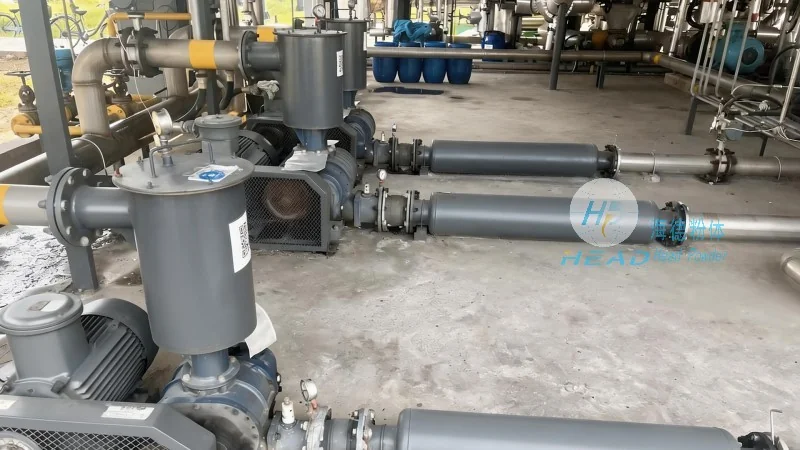
System Overview and Core Components
The condiment material conveying system is a sophisticated piece of industrial equipment engineered to transport bulk or granular materials, such as spices, seasonings, and other food additives, from one location to another within a processing facility. The system typically consists of several interconnected components, including a feeding mechanism, a conveyor belt or screw, a control unit, and a discharge outlet. Each component plays a critical role in the overall functionality of the system, working in harmony to achieve seamless material flow.
Working Principle of the Conveying Mechanism
The heart of the condiment material conveying system lies in its conveying mechanism, which can vary depending on the specific application and material characteristics. For example, a screw conveyor uses a rotating helical screw to push materials forward, while a belt conveyor relies on a motor-driven pulley system to move a belt with attached material carriers. In the case of headpowder's systems, the design often incorporates adjustable speed controls and material flow sensors to optimize performance and prevent blockages. The control unit, equipped with programmable logic controllers (PLCs), monitors the system's operation in real-time, adjusting parameters like speed and pressure as needed to maintain consistent material throughput.
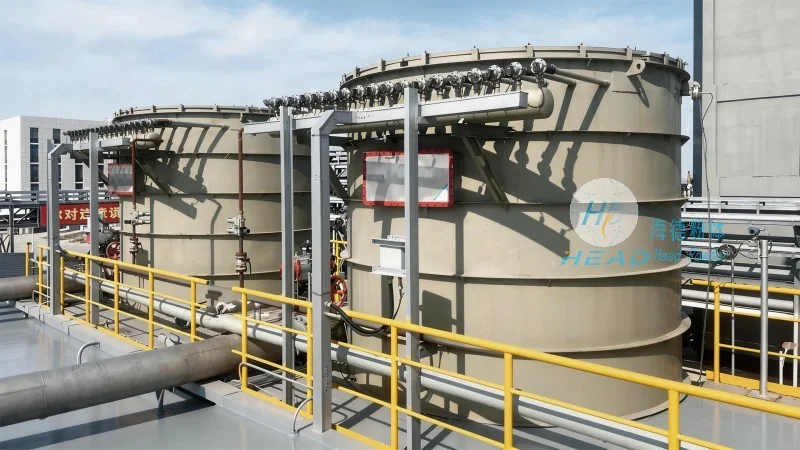
Feeding and Dosing Mechanisms
Efficient feeding is crucial for maintaining a steady flow of materials into the conveying system. HeadPowder's equipment may include hoppers or feeders that are designed to handle different material types and sizes. These components are often equipped with level sensors to detect the material volume and adjust the feeding rate accordingly. For precise dosing applications, such as in food processing, the system may incorporate gravimetric or volumetric dosing mechanisms that ensure accurate measurement and dispensing of the condiment material. This level of precision is essential for maintaining product consistency and meeting quality standards.
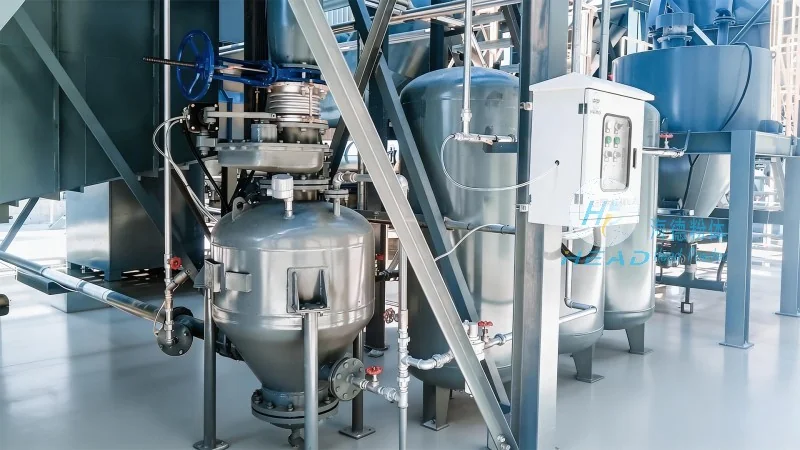
Control and Monitoring Systems
Modern condiment material conveying systems are equipped with advanced control and monitoring systems that enhance operational efficiency and safety. The control unit, typically a PLC-based system, manages the entire operation, including start-up, shutdown, and emergency stop functions. It also monitors key parameters such as temperature, pressure, and motor load to detect any anomalies and trigger appropriate alerts. Some systems may include remote monitoring capabilities, allowing operators to access real-time data from a central control room or even via a mobile device. This feature enables proactive maintenance and reduces downtime, ensuring the system operates at peak performance.
Maintenance and Operational Considerations
To ensure the longevity and reliability of the condiment material conveying system, regular maintenance is essential. HeadPowder recommends routine inspections of the conveyor components, including the belt, screw, and bearings, to identify any signs of wear or damage. Cleaning the system after each use is also important to prevent material buildup and contamination. Additionally, the control system should be periodically updated with the latest software patches to maintain optimal performance. By following these maintenance guidelines, users can maximize the system's lifespan and minimize operational costs.