With more than 10‑year industry experience, Shandong Headpowder delivers full‑service pneumatic‑conveying systems and blowers, undertaking nationwide turn‑key powder‑handling projects.
Vacuum material handling equipment represents a sophisticated technology for transporting bulk materials through sealed pipelines under negative pressure. This method is increasingly favored across diverse sectors such as food processing, pharmaceuticals, and chemical manufacturing due to its ability to maintain high standards of hygiene while ensuring efficient material transfer. The fundamental principle of this equipment is the creation of a pressure differential, where a vacuum pump reduces the internal pressure of the system below atmospheric levels, thereby drawing materials from a source to a destination. Unlike traditional mechanical systems that rely on belts or augers, vacuum systems offer a cleaner, more controlled approach to material handling, minimizing the risk of contamination and dust dispersion.
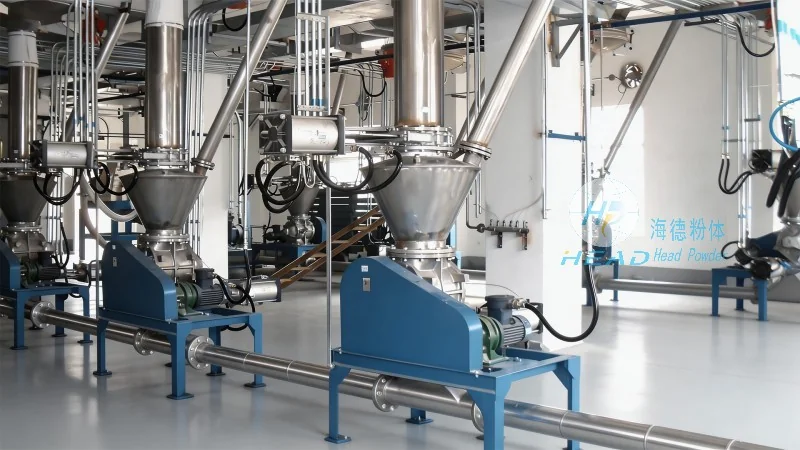
A vacuum material handling system comprises several critical components, each playing a vital role in the overall operation. The primary components include a vacuum pump, which generates the necessary negative pressure; a filter system to prevent particulate matter from entering the pump and causing damage; an inlet hopper or loading chamber where materials are introduced; a network of pipelines that transports the material; and a discharge outlet where the material is deposited. The vacuum pump is typically a rotary vane or roots-type pump, chosen based on the material's properties and the required flow rate. The filter system, often a bag or cartridge filter, is designed to capture dust and particles, ensuring the pump operates efficiently and extending its lifespan. The inlet hopper is constructed from materials like stainless steel or food-grade plastic, depending on the application, and may include features such as a sight glass or level indicator to monitor material levels. The pipeline network is usually made of stainless steel or PVC, selected for its corrosion resistance and ability to maintain airtight seals. Additionally, the system may include a control panel with sensors and indicators to monitor pressure, flow, and system status, enabling operators to adjust parameters for optimal performance.
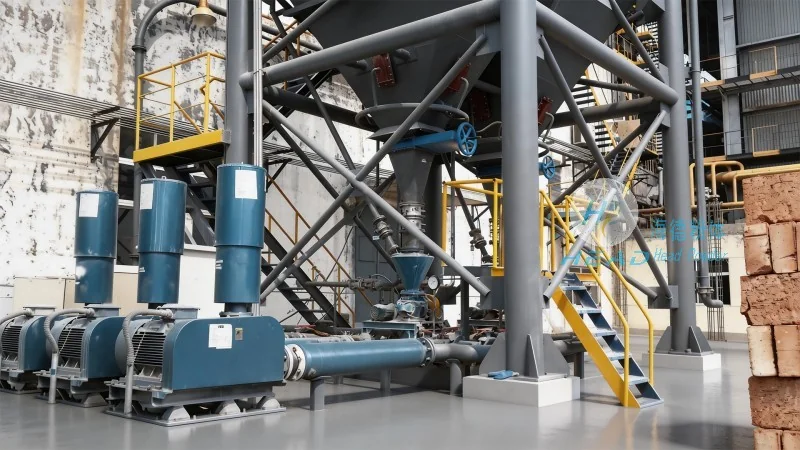
The operation of vacuum material handling equipment follows a systematic sequence that ensures consistent and reliable material transport. The process begins with the activation of the vacuum pump, which creates a negative pressure within the system. Once the pump is running, the inlet valve is opened, allowing the material to be drawn from the hopper into the pipeline. The material is then carried by the airflow generated by the vacuum pump, moving through the pipeline network to the discharge outlet. The speed of material transport can be controlled by adjusting the vacuum pressure, with higher pressures resulting in faster flow rates. The system typically includes safety features such as pressure relief valves to prevent over-pressurization and automatic shut-off mechanisms in case of blockages or system failures. These safety measures enhance operational reliability and protect both the equipment and the material being handled. During operation, operators monitor the system's performance through the control panel, adjusting parameters as needed to maintain the desired flow rate and pressure. The entire process is designed to be automated, reducing the need for manual intervention and minimizing the risk of human error.
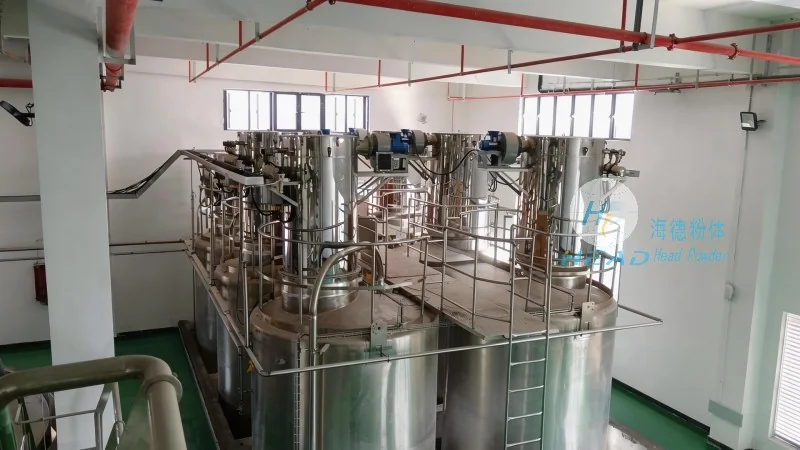
The working principle of vacuum material handling systems is rooted in fluid dynamics and pressure differentials. When the vacuum pump operates, it reduces the pressure inside the pipeline to a level below atmospheric pressure. This creates a pressure gradient that causes the material to be drawn into the pipeline due to the difference in pressure. The material is then suspended in the airflow and transported to the discharge point. The key to this process is maintaining a consistent negative pressure throughout the system. The filter system is critical here as it prevents the material particles from entering the pump, which could lead to clogging or reduced efficiency. The design of the pipeline, including its diameter and length, also impacts the system's performance; longer or narrower pipelines may require higher vacuum pressures to maintain the flow rate. The material's density and particle size further influence the required pressure, as denser materials or larger particles may need more force to be transported. Understanding these principles allows engineers to design systems that are optimized for specific applications, ensuring efficient and cost-effective material handling.
Vacuum material handling equipment is versatile and finds applications across various industries, each benefiting from its unique advantages. In the food industry, it is widely used to transport powders like flour, sugar, and spices, ensuring that the materials remain clean and free from contamination. The sealed system prevents dust and particles from entering the environment, maintaining compliance with food safety regulations. In the pharmaceutical industry, vacuum systems are used to handle sensitive materials such as active pharmaceutical ingredients (APIs) and granules, maintaining the required sterility and purity. The ability to control the flow rate precisely allows for accurate dosing, reducing waste and improving product consistency. In the chemical industry, vacuum material handling is employed to transport various chemicals and powders, providing a safe and efficient method of material transfer. The system's ability to handle abrasive or corrosive materials, often with specialized pipeline materials, makes it suitable for harsh chemical environments. The advantages of using vacuum material handling systems include improved hygiene, reduced material waste, and increased operational efficiency. Unlike mechanical systems, vacuum systems have no moving parts that can cause contamination or wear, making them ideal for applications where cleanliness is paramount. Additionally, the ability to control the flow rate allows for precise dosing and reduced material handling costs, leading to overall operational savings.
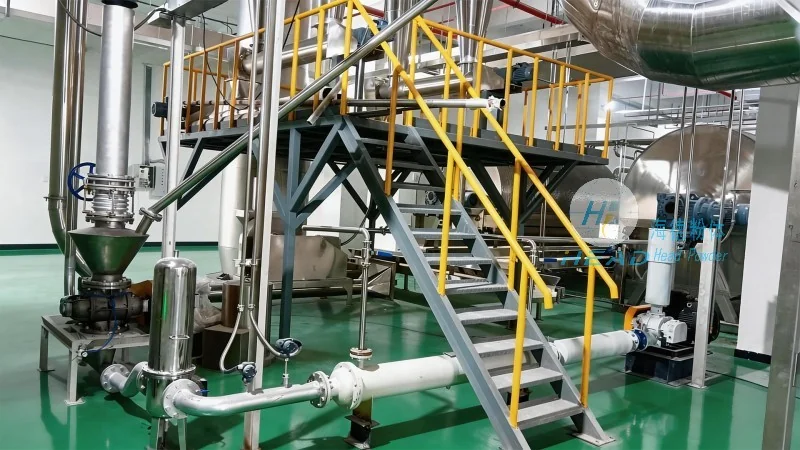
Shandong HeadPowder Engineering Co., Ltd., commonly referred to as HeadPowder, is a leading manufacturer of vacuum material handling equipment based in Shandong, China. The company has established itself as a trusted provider of high-quality material handling solutions, specializing in the design and production of customized vacuum systems tailored to the specific needs of its clients. HeadPowder's products are known for their durability, efficiency, and reliability, making them suitable for a wide range of industrial applications. The company's team of experienced engineers and technicians work closely with clients to understand their material handling requirements and develop solutions that meet their unique challenges. HeadPowder adheres to international quality standards, such as ISO 9001, and uses advanced manufacturing techniques to ensure that its products meet the highest industry benchmarks. The company's product line includes a variety of vacuum pumps, pipeline systems, and control panels, all designed to work together seamlessly. HeadPowder also provides after-sales support, including maintenance and repair services, to ensure that its clients' equipment operates at peak performance. With a strong commitment to innovation and customer satisfaction, HeadPowder continues to be a leader in the vacuum material handling industry, providing reliable and efficient solutions for material transport across various sectors.

 Shandong Headpowder Engineering Co., Ltd.
 156-6277-7102(Manager Zhang)
  0531-83386006
  Zhangqiu District, Jinan City, Shandong Province, China
telephone
WeChatconsult
top