With more than 10‑year industry experience, Shandong Headpowder delivers full‑service pneumatic‑conveying systems and blowers, undertaking nationwide turn‑key powder‑handling projects.
At Shandong HeadPowder Engineering Co., Ltd., we specialize in the efficient and reliable handling of anhydrous sodium sulfate powder through advanced conveying systems. This article delves into the operation process and working principle of such systems, highlighting the key components and mechanisms that ensure smooth material transport. Our expertise in powder handling technology ensures that the conveying process is optimized for performance, safety, and durability, catering to industrial applications where consistent and efficient material movement is critical.
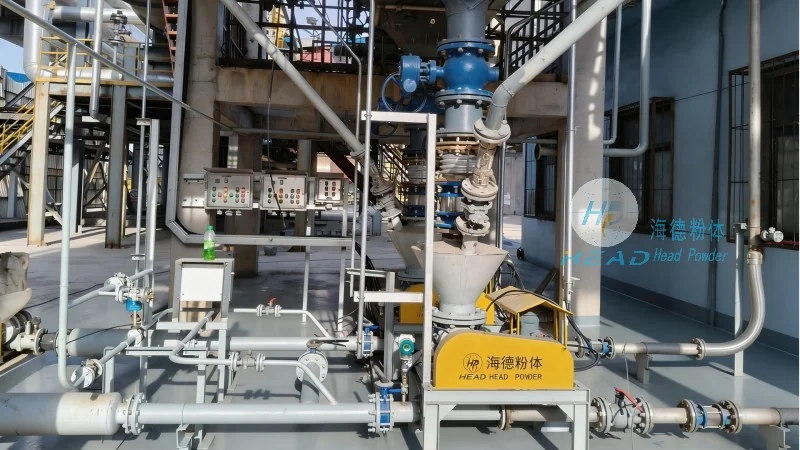
The core of an anhydrous sodium sulfate powder conveying system involves several essential components that work in tandem to facilitate the transport of the material. These components include a hopper for material storage, a conveyor mechanism (such as a screw conveyor or pneumatic system), and control systems for regulating the flow. The hopper is designed to hold the bulk of the anhydrous sodium sulfate, ensuring a steady supply to the conveyor. The conveyor itself is engineered to handle the specific properties of the powder, including its density, flowability, and potential for dust generation. Control systems are integrated to monitor and adjust the conveying rate, preventing overloading or under-conveying, which could lead to system inefficiencies or equipment damage.
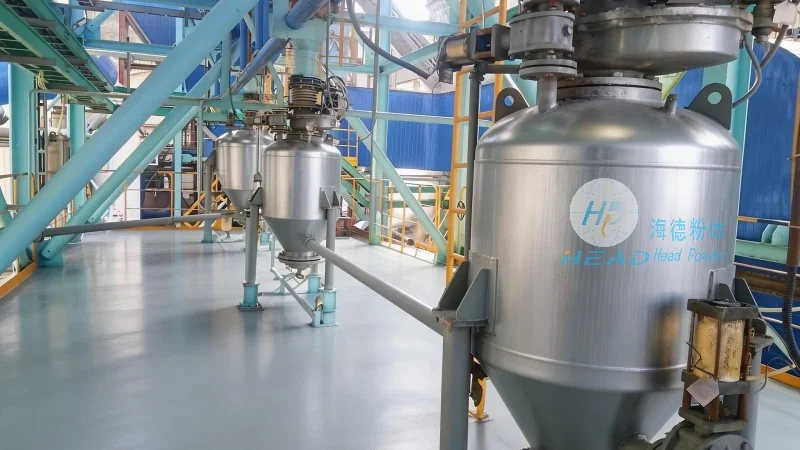
The operation process of an anhydrous sodium sulfate powder conveying system typically begins with the loading of the hopper. The material is fed into the hopper from a storage silo or bulk container, ensuring a continuous supply. Once the hopper is filled, the conveyor mechanism is activated. Depending on the system design, the conveyor may use mechanical force (e.g., a screw or belt) to move the powder, or it may employ pneumatic pressure to transport the material through a pipeline. The material is then transported to the desired destination, such as a processing unit or storage silo. Throughout the process, the control system continuously monitors the flow rate and pressure, adjusting the conveyor speed as needed to maintain optimal performance. This dynamic control ensures that the conveying process is efficient and consistent, minimizing downtime and maximizing throughput.
The working principle of the anhydrous sodium sulfate powder conveying system is based on the principles of fluidization and mechanical transport. For mechanical systems, the conveyor (e.g., a screw conveyor) rotates, creating a helical path that moves the powder forward. The design of the screw, including its pitch and diameter, is critical in determining the conveying capacity and the pressure drop across the system. For pneumatic systems, the powder is suspended in a carrier gas (usually air) and transported through a pipeline. The pressure differential between the inlet and outlet of the system drives the material forward, with the gas velocity and pressure being carefully controlled to prevent material deposition or blockages. In both cases, the system is designed to handle the specific characteristics of anhydrous sodium sulfate, such as its fine particle size and potential for agglomeration, ensuring that the material flows smoothly without clogging or excessive wear on the equipment.
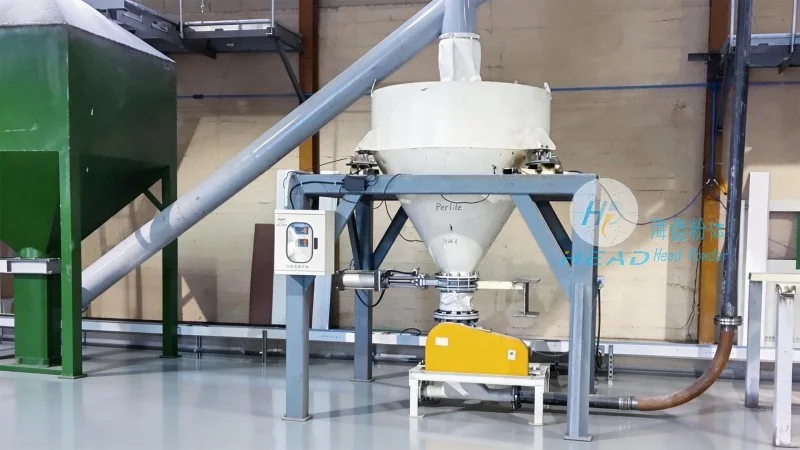
The efficient operation of an anhydrous sodium sulfate powder conveying system offers several benefits for industrial applications. These include improved material handling efficiency, reduced labor costs, and enhanced safety by minimizing manual handling of the powder. The system is particularly suitable for applications in the chemical, pharmaceutical, and food industries, where consistent and clean material transport is essential. By leveraging advanced technology and engineering expertise, Shandong HeadPowder Engineering Co., Ltd. ensures that the conveying systems are tailored to meet the specific needs of each client, providing reliable and cost-effective solutions for powder transport.

 Shandong Headpowder Engineering Co., Ltd.
 156-6277-7102(Manager Zhang)
  0531-83386006
  Zhangqiu District, Jinan City, Shandong Province, China
telephone
WeChatconsult
top