With more than 10‑year industry experience, Shandong Headpowder delivers full‑service pneumatic‑conveying systems and blowers, undertaking nationwide turn‑key powder‑handling projects.
Your current position:首页 >> News >> Insights

Operation Process and Working Principle of Bottom-Feed Pneumatic Conveying Equipment

Release time:2026-09-20 10:01:34
name of the company:Shandong Headpowder Engineering Co., Ltd.
telephone:156-6277-7102
contacts:Manager Zhang

Shandong HeadPowder Engineering Co., Ltd., headquartered in Shandong, China, specializes in the design, manufacturing, and installation of advanced pneumatic conveying systems. Our bottom-feed pneumatic conveying equipment is engineered to efficiently transport bulk materials from storage silos or hoppers to processing units, ensuring reliable and cost-effective material handling solutions for various industrial applications.
Operation Process and Working Principle of Bottom-Feed Pneumatic Conveying Equipment

Understanding the Bottom-Feed Pneumatic Conveying System

At the core of our bottom-feed pneumatic conveying system is a robust mechanism that enables the seamless transfer of dry bulk materials such as powders, granules, and fine particles. The system operates by drawing material from the bottom of a storage container using a vacuum or pressure differential, which is then carried through a network of pipes by a flow of air or gas. This method eliminates the need for mechanical components like conveyor belts or buckets, reducing maintenance costs and enhancing operational efficiency.

Key Components and Their Functions

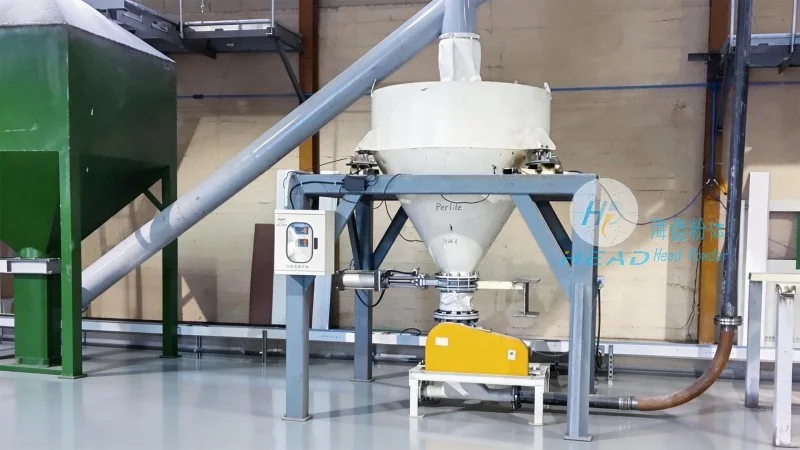
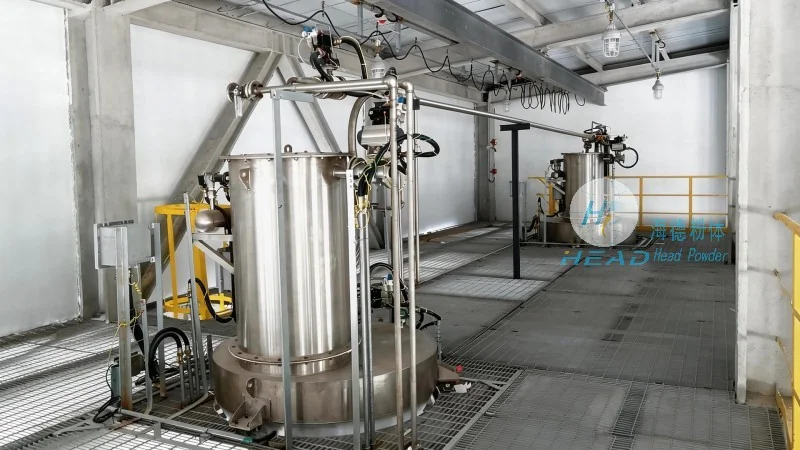
The bottom-feed pneumatic conveying system consists of several critical components that work in harmony to ensure optimal performance. These include a material feed hopper, a rotary valve or feeder, a conveying line (often made of stainless steel or plastic), a filter and separator system, and a receiver or discharge unit. Each component plays a vital role in the overall operation:
Operation Process and Working Principle of Bottom-Feed Pneumatic Conveying Equipment

  • Material Feed Hopper: Holds the bulk material and provides a consistent feed to the system, preventing material bridging or clogging.
  • Rotary Valve or Feeder: Controls the flow of material from the hopper to the conveying line, ensuring a controlled and steady supply.
  • Conveying Line: Transports the material-air mixture through the system, with the choice of material (e.g., stainless steel for corrosive materials, plastic for non-corrosive applications) tailored to the specific material being handled.
  • Filter and Separator: Removes entrained particles from the air stream, protecting downstream equipment and ensuring compliance with environmental regulations.
  • Receiver or Discharge Unit: Collects the material at the destination, allowing for easy unloading and integration with subsequent processing equipment.

The Operation Process: Step-by-Step

The operation of a bottom-feed pneumatic conveying system follows a systematic process, which can be broken down into the following stages:

  1. Material Loading: Bulk material is loaded into the storage hopper from which the system will draw. The hopper is typically equipped with a lid to prevent contamination and maintain material quality.
  2. Initial Sealing and Vacuum Creation: The system initiates the conveying process by creating a vacuum or pressure differential at the discharge end of the conveying line. This draws air into the system and pulls material from the hopper through the rotary valve.
  3. Material Transport: As the material is drawn into the conveying line, it is mixed with the air stream, forming a slurry-like mixture. The air flow propels the material through the pipes to the receiving unit. The velocity of the air and the size of the particles determine the efficiency of the transport.
  4. Filtering and Separation: The air-material mixture passes through a filter and separator, where the material is separated from the air. The separated material is collected in the receiver, while the clean air is either recirculated or vented to the atmosphere.
  5. Discharge and System Reset: Once the material has been fully transferred to the receiver, the system may reset, preparing for the next cycle. The rotary valve and other components return to their initial positions, ready for the next load.

Working Principle: How It Works

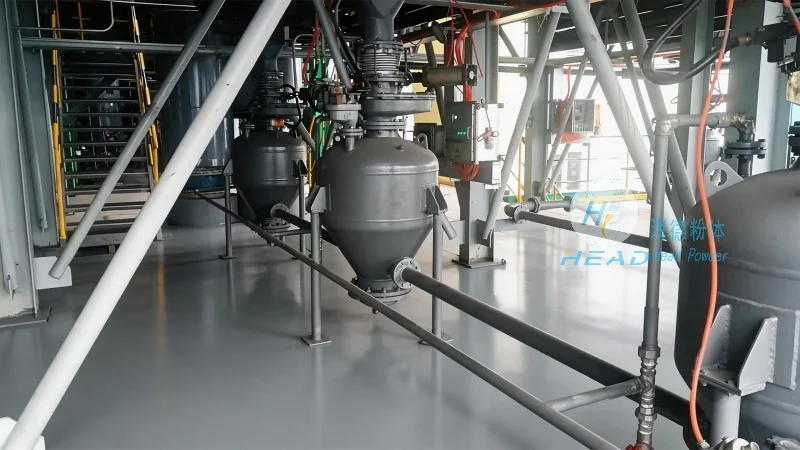
The working principle of the bottom-feed pneumatic conveying system is based on the principles of fluid dynamics and air movement. The system utilizes either negative pressure (vacuum) or positive pressure to move the material. In the case of a vacuum system, a fan or vacuum pump creates a low-pressure environment at the discharge end, causing the material to be drawn into the conveying line. In a positive pressure system, a blower or compressor supplies high-pressure air to the inlet, pushing the material through the pipes.

Key factors that influence the system's performance include the material's density, particle size, moisture content, and flowability. The design of the system, including the size of the conveying line, the air velocity, and the length of the pipeline, is optimized to ensure efficient transport with minimal pressure drop and energy consumption.
Operation Process and Working Principle of Bottom-Feed Pneumatic Conveying Equipment

Benefits of Bottom-Feed Pneumatic Conveying

Our bottom-feed pneumatic conveying systems offer numerous advantages over traditional mechanical conveying methods. These benefits include:

  • Reduced Maintenance: With no moving parts in direct contact with the material, the system requires less maintenance compared to belt conveyors or screw conveyors.
  • Low Energy Consumption: The system operates efficiently, using less energy per ton of material transported compared to other methods.
  • Flexibility and Scalability: The system can be easily expanded or reconfigured to accommodate changes in production volume or material types.
  • Minimal Product Contamination: The enclosed system prevents contamination from external sources and minimizes dust emissions.
  • Quiet Operation: Unlike some mechanical conveyors, the pneumatic system operates quietly, making it suitable for environments where noise control is important.

Applications and Industries

Bottom-feed pneumatic conveying systems are widely used in various industries, including food and beverage, pharmaceuticals, chemicals, and mining. They are particularly suitable for handling materials that are sensitive to moisture, temperature, or contamination, as well as for materials that are difficult to convey mechanically due to their fine particle size or cohesive properties.

recommend

Copyright © Shandong Headpowder Engineering Co., Ltd.    营业执照公示 网站地图

top
